Key Players in Morocco’s Upcoming Prime Minister Race
As Morocco approaches a pivotal legislative election, political circles are buzzing with speculation about potential successors to the current Prime Minister. With the September 2026 vote on the horizon, several figures are emerging from the wings, each bringing distinct credentials and ambitions to the race.
Profiles of Rising Political Contenders
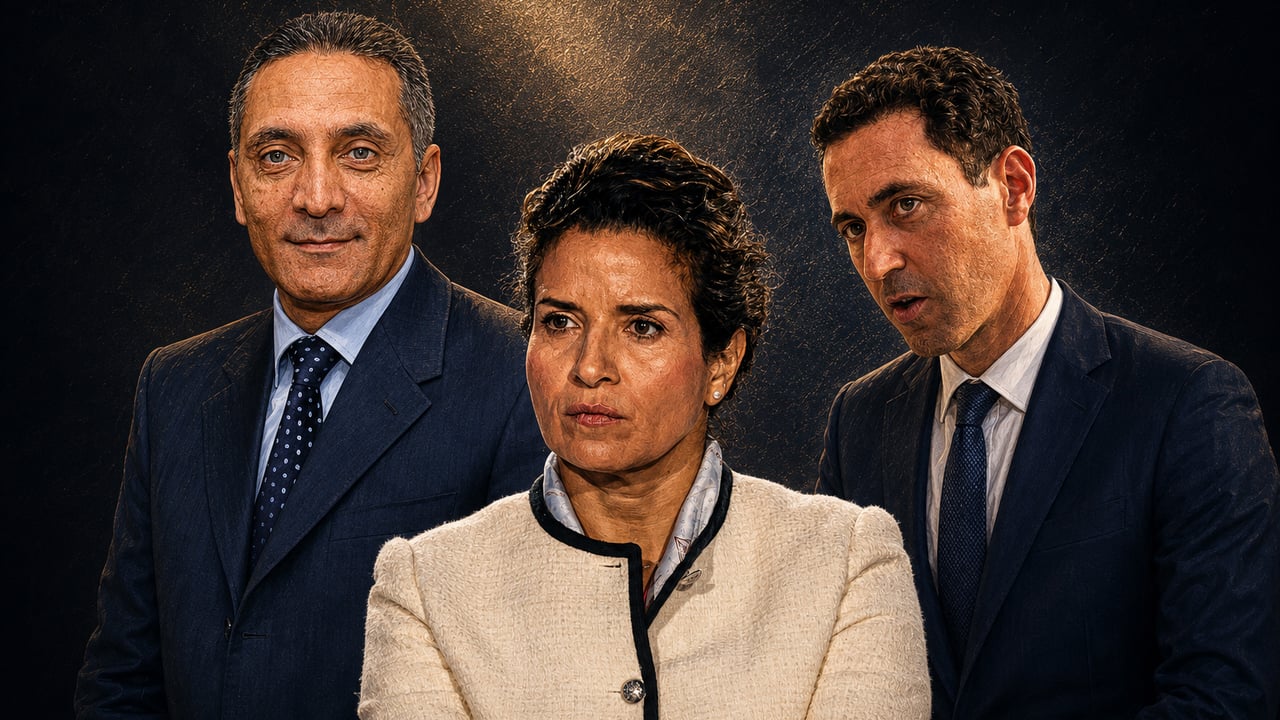
Among the most discussed names is Mostafa Terrab, a seasoned technocrat known for his leadership in state-owned enterprises. His deep understanding of economic policy has positioned him as a pragmatic choice for reform-minded voters.
Nizar Baraka, a prominent parliamentarian and former Finance Minister, combines political experience with a reformist agenda. His ability to navigate complex economic landscapes makes him a critical player in the upcoming political reshuffle.
Abdelouafi Laftit, Minister of the Interior, brings security expertise to the table. His role in maintaining stability during turbulent times has earned him a loyal base within the establishment.
Younes Sekkouri, a charismatic former minister, has built a reputation as a reformist voice. His focus on social and economic issues resonates with younger voters and urban constituencies.
Nadia Fettah Alaoui, a business leader turned politician, represents a new generation of leaders. Her expertise in economic policy and corporate governance offers a fresh perspective for Morocco’s future.
Fouzi Lekjaâ, a former presidential advisor, is known for his strategic insights and close ties to the royal palace. His potential candidacy signals a continuity of policy direction for the government.
What’s at Stake in the 2026 Election?
The upcoming legislative election is expected to reshape Morocco’s political landscape. With public sentiment shifting toward economic reform and social equity, these contenders are positioning themselves to address pressing national challenges.
Each candidate brings a unique blend of experience—whether in governance, security, or economic policy—to the table. Their ability to connect with voters will determine who ultimately secures the Prime Minister’s role in the post-election government.
Key Factors Influencing the Race
- Economic Policy: Voters are prioritizing candidates with strong economic agendas amid rising living costs and unemployment.
- Security and Stability: The Interior Minister’s role has elevated the profile of security-focused candidates.
- Youth Appeal: Reformist voices like Sekkouri are gaining traction among younger demographics.
- Royal Backing: Candidates with close ties to the palace may hold an advantage in securing key positions.