The political landscape in Morocco has been marked by renewed friction between two influential groups: the Justice and Development Party (PJD) and the Al Adl Wal Ihsane movement. Recent exchanges have brought their contrasting views on the relevance of elections into sharp focus, reigniting a long-standing debate within the country’s civil society.

Political divisions resurface over Morocco’s electoral process
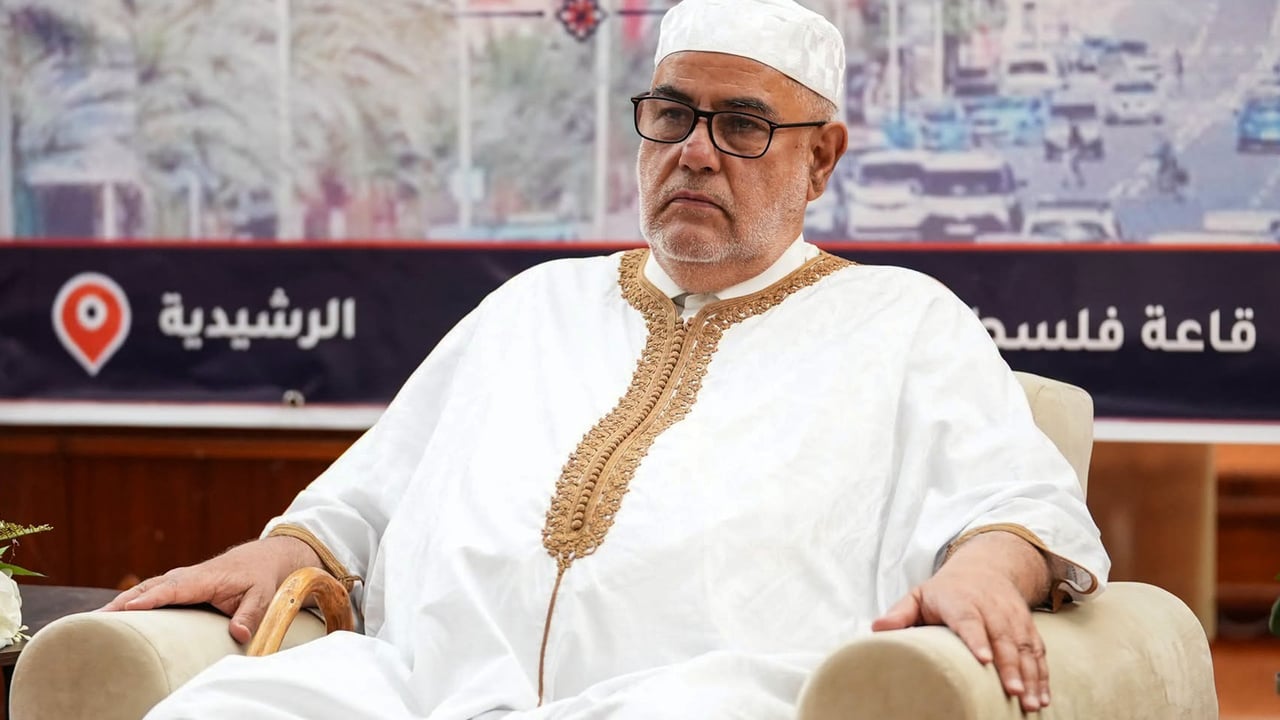
The PJD, a party rooted in Islamic democracy, has long championed participation in elections as a means to achieve gradual reform. Its leadership, including former Prime Minister Abdelilah Benkirane, argues that electoral engagement allows for influence within the system while pushing for social and political progress. However, critics within the party have grown vocal, questioning whether elections yield tangible results or merely legitimize existing power structures.
On the opposing side, Al Adl Wal Ihsane—a grassroots movement with a strong presence in Morocco—has consistently rejected the electoral path. The group contends that elections under the current system are fundamentally flawed, serving as a tool to consolidate authority rather than foster genuine democracy. Its stance reflects a broader skepticism toward institutional politics, favoring alternative forms of civic engagement instead.
Key arguments in the debate
The dispute between the two factions has intensified in recent weeks, with each side presenting compelling arguments:
- PJD’s perspective: Elections provide a platform to challenge the status quo from within, even if imperfect. The party emphasizes the importance of incremental change through legal and political channels, arguing that abstention only strengthens conservative forces.
- Al Adl Wal Ihsane’s position: The movement views elections as a distraction from real reform, advocating for a boycott to expose the system’s inherent flaws. It points to historical examples where electoral participation led to co-optation rather than transformation.
Public reaction and political implications
The renewed tensions have sparked discussions across Moroccan media and social platforms. Supporters of the PJD highlight its track record in advocating for social justice and civil liberties, while backers of Al Adl Wal Ihsane dismiss these claims as insufficient, calling for a more radical break from traditional politics.
Analysts suggest that this ideological clash could influence voter behavior in upcoming elections, particularly among younger demographics. The debate also reflects deeper questions about Morocco’s democratic trajectory and the role of religion in public life.
As the two sides dig in, the broader implications for Morocco’s political future remain uncertain. Will the PJD’s pragmatic approach prevail, or will Al Adl Wal Ihsane’s rejectionist stance gain broader traction? The coming months will be critical in shaping the outcome of this high-stakes confrontation.