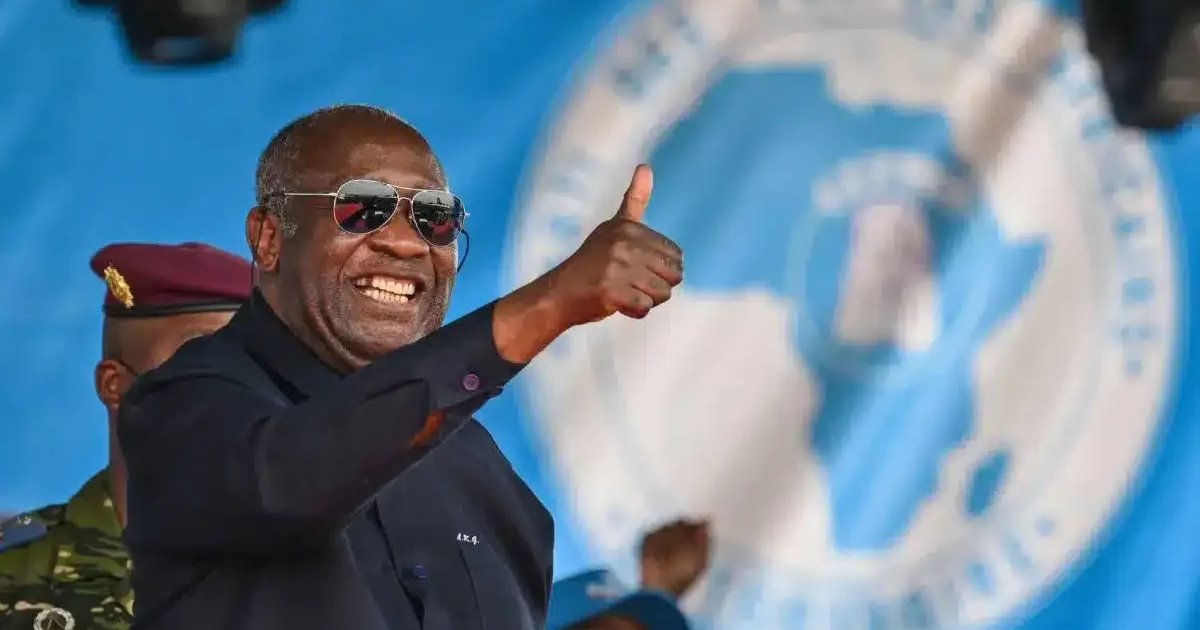
Laurent Gbagbo restructures PPA-CI with a shared leadership model
In a strategic move to modernize the governance of the Parti des Peuples Africains-Côte d’Ivoire (PPA-CI), former President Laurent Gbagbo has announced a collaborative leadership structure. Five senior party officials were appointed to key positions on August 10, 2026, marking a shift toward shared responsibilities while maintaining his central role in the party’s decision-making processes.
New leadership appointments and responsibilities
The restructuring introduces a five-member leadership team, each assigned specific roles to enhance the party’s operational efficiency and political cohesion. Assoa Adou has been named First Vice-President, tasked with enforcing the PPA-CI’s political line. Hubert Oulaye, appointed Second Vice-President, will oversee party operations and preside over central committee meetings.
Emmanuel Ackah, a former ambassador, takes on the role of Third Vice-President, responsible for party mobilization and engagement. Justin Katinan Koné retains his position in charge of the party’s overall political strategy, while Sébastien Dano Djédjé is named President of the Strategic and Political Council, a newly created body to guide the party’s policy direction.
Gbagbo’s vision: A collaborative yet unified leadership
Speaking on the changes, Laurent Gbagbo emphasized that the restructuring reflects a “collegial leadership model”, designed to foster “complementarity in responsibilities and unity in action.” While the move signals a commitment to decentralizing certain functions, political observers note that the core leadership remains firmly with Gbagbo himself.
Political analyst Abdourahmane Barry suggests that the new appointments are primarily aimed at “streamlining daily party operations” rather than altering the broader governance structure. He underscores that “the ultimate authority and strategic direction still reside with Laurent Gbagbo.”
The reorganization follows Gbagbo’s re-election as party president in May 2026, a decision that set the stage for this structural adjustment. While the new leadership framework promises enhanced coordination, details on how these roles will interact in practice remain to be clarified.