Kouakourou evacuated: residents flee after malian forces’ setback against jnim jihadists
In Mali, the military outpost in Kouakourou fell under the control of Jnim jihadists on Saturday, July 18, 2026. The Islamist militants continued their assault the following day, shooting down an army helicopter. During the chaotic events, several soldiers were reportedly captured while attempting to blend in with the local population by shedding their uniforms. Subsequently, the jihadists issued a directive for all residents to abandon their village.
This information has been corroborated through multiple discussions with respected community leaders and inhabitants from Kouakourou.
Military convoy rerouted to Djenné
Earlier in the week, Malian forces launched aerial operations in the affected region. On Tuesday, July 21, authorities announced the “neutralization” of “five terrorists” traveling on motorcycles, alongside the destruction of a “pickup truck laden with logistical supplies.”
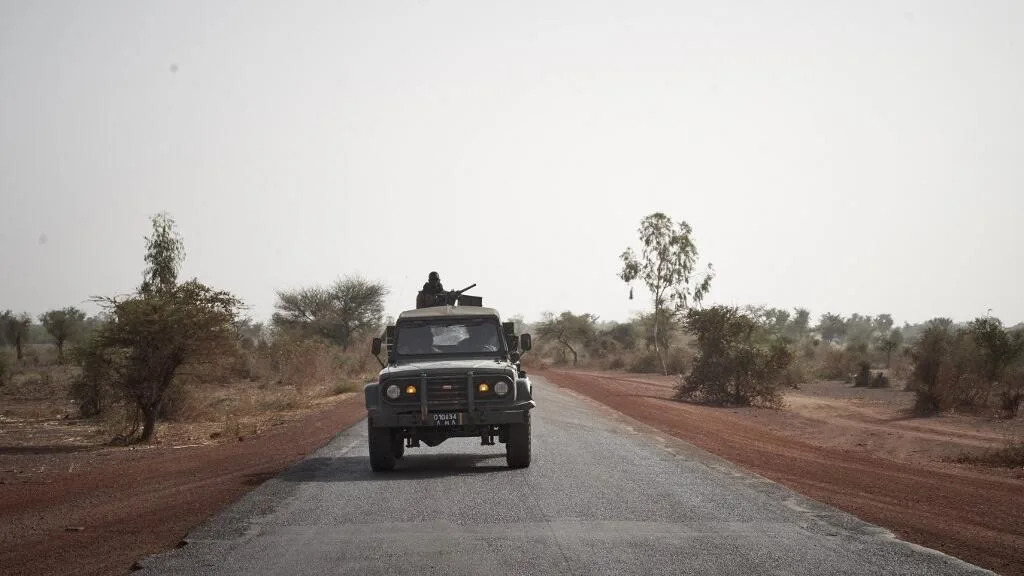
Despite these efforts, a reinforcement convoy, comprising Malian soldiers and their Russian partners from the Africa Corps, was unable to reach Kouakourou. The expedition encountered significant obstacles, including ambushes, drone attacks, and a destroyed bridge, which repeatedly forced the military contingent to fall back to Djenné.
Displaced residents find refuge
The entire population of Kouakourou has now evacuated, seeking safety in neighboring villages such as Pora or Saba. In these communities, the spirit of solidarity and warm reception offers some solace, although living conditions remain exceptionally challenging. Other residents made the arduous journey, some on foot, to Djenné, located nearly 40 kilometers away.
In Djenné, hundreds of displaced individuals—men, women, and children—are currently being accommodated, either with host families or by local authorities in a designated school within the city. The National Directorate of Social Development has delivered several tons of food supplies and mosquito nets, and charitable donations continue to arrive. Some residents, seeking more permanent solutions, have even traveled further afield to the capital city, Bamako.