The Spanish consul recalled amid a visa trafficking scandal in Niger
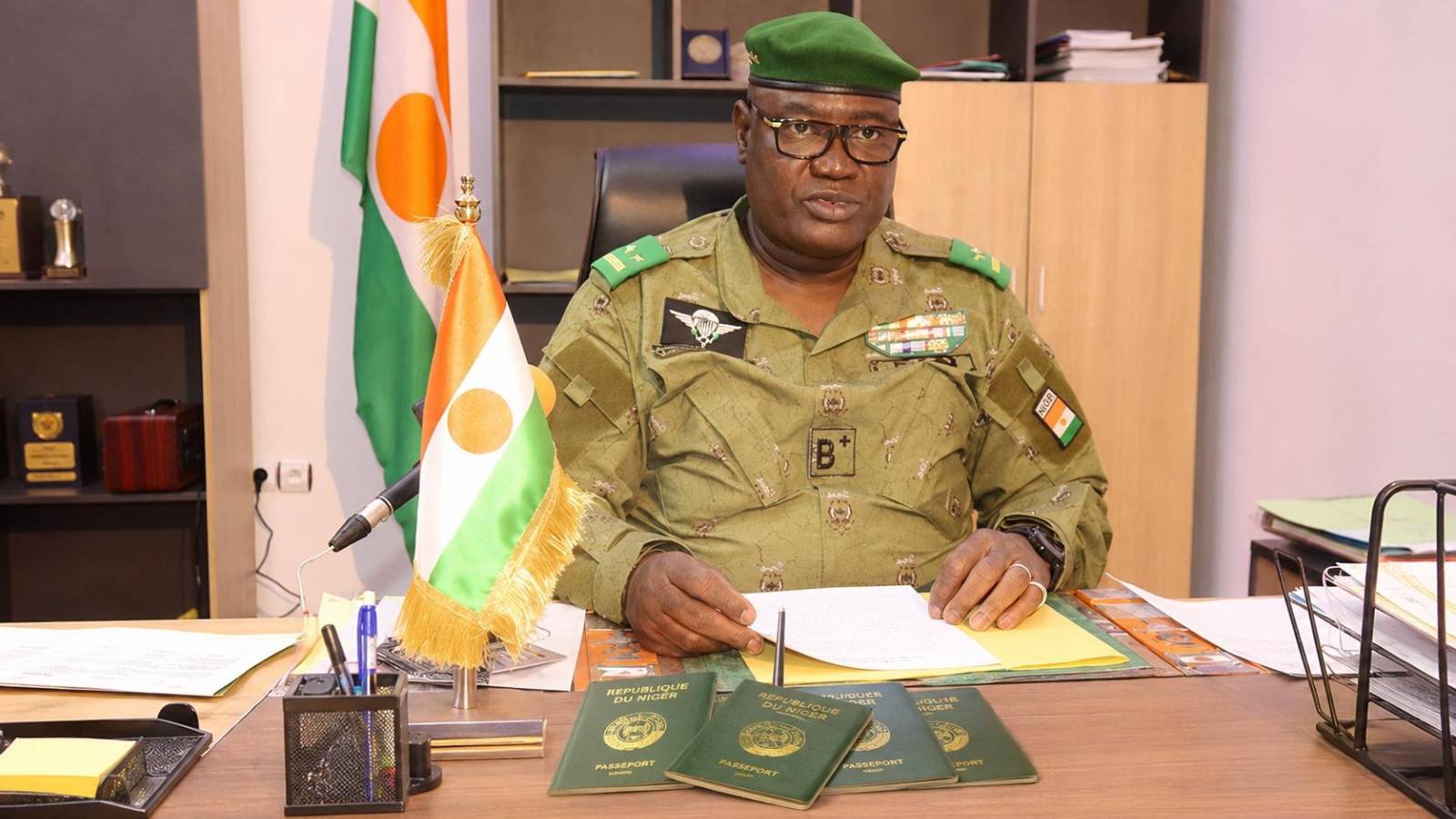
The Spanish government has quietly but decisively withdrawn its consul in Niamey, following the dismantling of a Schengen visa trafficking ring where each fraudulent document was sold for over 2.5 million CFA francs. This diplomatic shakeup has cast a harsh light on systemic corruption within Niger‘s transitional government, implicating close associates of General Mohamed Toumba, the country’s third-ranking official in the CNSP. The silence of General Abdourahamane Tiani, the transitional president, only deepens concerns about the regime’s commitment to public integrity.
The Spanish diplomat caught in the crossfire of corruption
Madrid’s decision to recall its consul in Niger marks a rare public acknowledgment of a scandal that has rattled Niamey for weeks. While Spanish diplomacy typically avoids public commentary on personnel changes, security sources confirm that the consul’s removal stems directly from his alleged role—or negligence—in facilitating illegal Schengen visa issuance. This move sends a clear message: the fraudulent network extended its reach into European consular circles, exposing a web of collusion that transcends borders.
A corruption network woven into the heart of Niger’s transitional government
Beneath the surface of this diplomatic fallout lies a far more troubling revelation: a high-level corruption syndicate operating within Niger’s transitional institutions. Investigations by the DGDSE—Niger’s external security and intelligence agency—have uncovered a meticulously organized scheme, not the work of petty traffickers, but a lucrative enterprise orchestrated by powerful figures in the regime. Central to this operation is the wife of General Toumba, Niger’s Interior Minister and the CNSP’s third-in-command. Leveraging her husband’s political clout, she allegedly established an illicit shortcut for visa and residency permit procurement, with each document commanding a staggering 2.5 million CFA francs—around €3,800. This exorbitant price targeted affluent traders and prospective migrants, transforming diplomatic privileges into a state-backed money-making machine.
The DGDSE strikes back, igniting internal power struggles
The crackdown on this network is spearheaded by Lieutenant-Colonel Souleymane Balla Arabé, head of Niger’s counterintelligence. By intercepting communications and gathering irrefutable evidence against the minister’s inner circle, the DGDSE has delivered a crushing blow to the CNSP’s fragile unity. This offensive has left General Toumba on the defensive, his credibility as the regime’s enforcer of law and order severely undermined. For a figure meant to symbolize discipline, being linked to transnational crime has eroded both his standing within the junta and his influence over its factions.
President Tiani’s deafening silence: a sign of complicity or political calculation?
As the scandal escalates and the Spanish consul’s removal internationalizes the crisis, all eyes are on General Tiani. Yet, the transitional leader has maintained a resolute silence—no official statements, no public condemnations, no punitive measures against General Toumba or his associates. This reticence is widely interpreted in Niamey as either a deliberate political choice or tacit approval. When the junta seized power in July 2023, it vowed to dismantle corruption and impunity inherited from the previous regime. By failing to act decisively, Tiani risks squandering the junta’s legitimacy, reinforcing perceptions that the regime prioritizes protecting its inner circle over delivering justice to the Nigerien people.
A turning point for Niger’s transitional government
The visa scandal has exposed a glaring contradiction: a regime that publicly distances itself from Western powers while profiting illicitly from access to the Schengen Zone. While Madrid has taken clear action by recalling its consul, the question remains: will General Tiani follow suit and hold his own officials accountable? Or will the preservation of internal junta dynamics ultimately overshadow the promises of transparency and reform made to the Nigerien populace?