integrated health services bridge gaps for chadian nomadic families
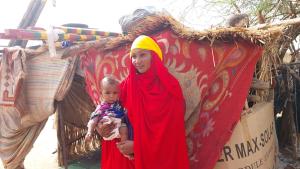
N’Djamena, Chad – In the Mandjafa nomadic camp on the outskirts of N’Djamena, Afia traveled with her four-month-old daughter Fatma to access integrated services designed specifically for mobile communities. For this mother of five, these coordinated health interventions are vital for her family’s well-being. “Vaccinations keep my children healthy. Whenever they fall ill, I take them to the nearest health center,” she shares.
Like many nomadic households in Chad, Afia’s livelihood depends on livestock. Seasonal migration and remote locations often create barriers to essential healthcare. Nomadic populations account for about 3.5% of the country’s total population.
a holistic approach to pastoral health challenges
To address these gaps, authorities have progressively adopted the One Health strategy, uniting health, livestock, environmental, and agricultural sectors to deliver tailored services for pastoral communities. On June 9, 2026, this approach brought together 134 beneficiaries—including 11 children—at Mandjafa, combining human and animal vaccination (96 animals immunized) with additional health services like vitamin A supplementation, deworming, and insecticide-treated mosquito nets.
why traditional services fall short
National One Health Coordinator Professor Mahamat Béchir explains how early 2000s studies revealed limited vaccination access in nomadic groups. “We realized existing strategies didn’t align with their mobile lifestyles. Adapting our methods became essential,” he notes.
Teams observed that herders already regularly used veterinary services. By merging animal and human health interventions, campaigns now reach more families in a single effort, cutting travel requirements.
protecting livelihoods through joint health campaigns
Youssouf Idriss, a herder near Mandjafa with sheep, cattle, and camels, emphasizes the importance of animal health: “Our animals feed and sustain us. Their well-being directly impacts our survival.” For pastoral households, livestock health determines income, food security, and overall welfare.
Raphaël Neni, a veterinary officer with the Ministry of Livestock for five years, has seen tangible improvements: “Since strengthening vaccination efforts, disease outbreaks have decreased. Herders notice healthier animals firsthand.”
Beyond livestock benefits, these integrated campaigns reduce zoonotic disease risks, enhancing community health security.
scaling up collaboration across sectors
The One Health platform coordinates national efforts among health, livestock, environment, and agriculture ministries to strengthen prevention, surveillance, and response to health threats. “Health challenges can’t be solved in isolation,” says Professor Béchir. “Zoonotic diseases, climate shifts, and environmental pressures demand cross-sector collaboration to safeguard populations.”
The World Health Organization has supported Chad’s initiative for years, assisting with platform strengthening, international health regulation assessments, national health security plans, and capacity-building for involved actors.
Dr. Tamadji Mbaïhol, WHO Chad’s routine immunization lead, highlights two decades of experience with nomadic communities. “These groups readily accept health services when delivered in ways that fit their mobility. The real challenge is meeting them where they are—adapting interventions to their realities drives strong participation,” he observes.
The ability to consolidate multiple services into one campaign is a cornerstone of the One Health model, especially in highly mobile regions. Years of collaboration between ministries and technical partners have built the foundation for these joint efforts.
“WHO’s support has reinforced the One Health platform and strengthened sectoral partnerships,” Professor Béchir states. “This unified approach lets us tackle shared health priorities together.”
As teams continue visiting nomadic families and herders, Afia prepares to return home with Fatma. She shares a simple but powerful message with other parents: “When a child is sick, take them to a health center immediately. It makes all the difference in protecting their health.”
In Mandjafa, the One Health approach is closing gaps by bringing essential services directly to nomadic communities. It ensures integrated care access while safeguarding the health of both people and livestock that sustain their way of life.