Captain Traoré’s leadership fuels Burkina Faso’s unprecedented diplomatic isolation
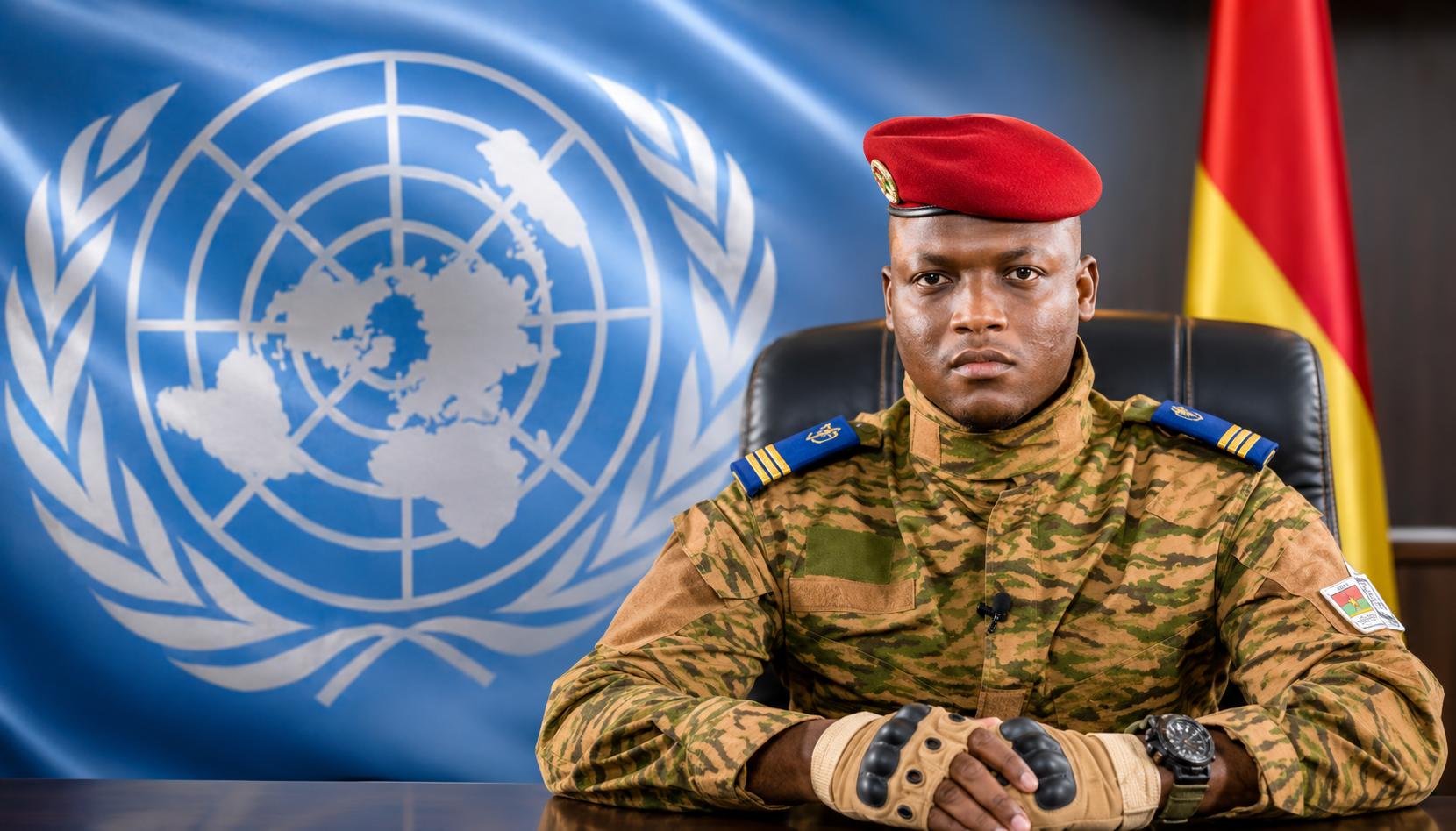
Burkina Faso finds itself in uncharted waters, grappling with an isolation that has no modern parallel. At the heart of this crisis is a single figure: Captain Ibrahim Traoré, the military leader who seized power in September 2022. His latest move—evicting the United Nations human rights office—marks a new low, revealing a leadership defined by deep-seated mistrust and a deliberate rejection of accountability.
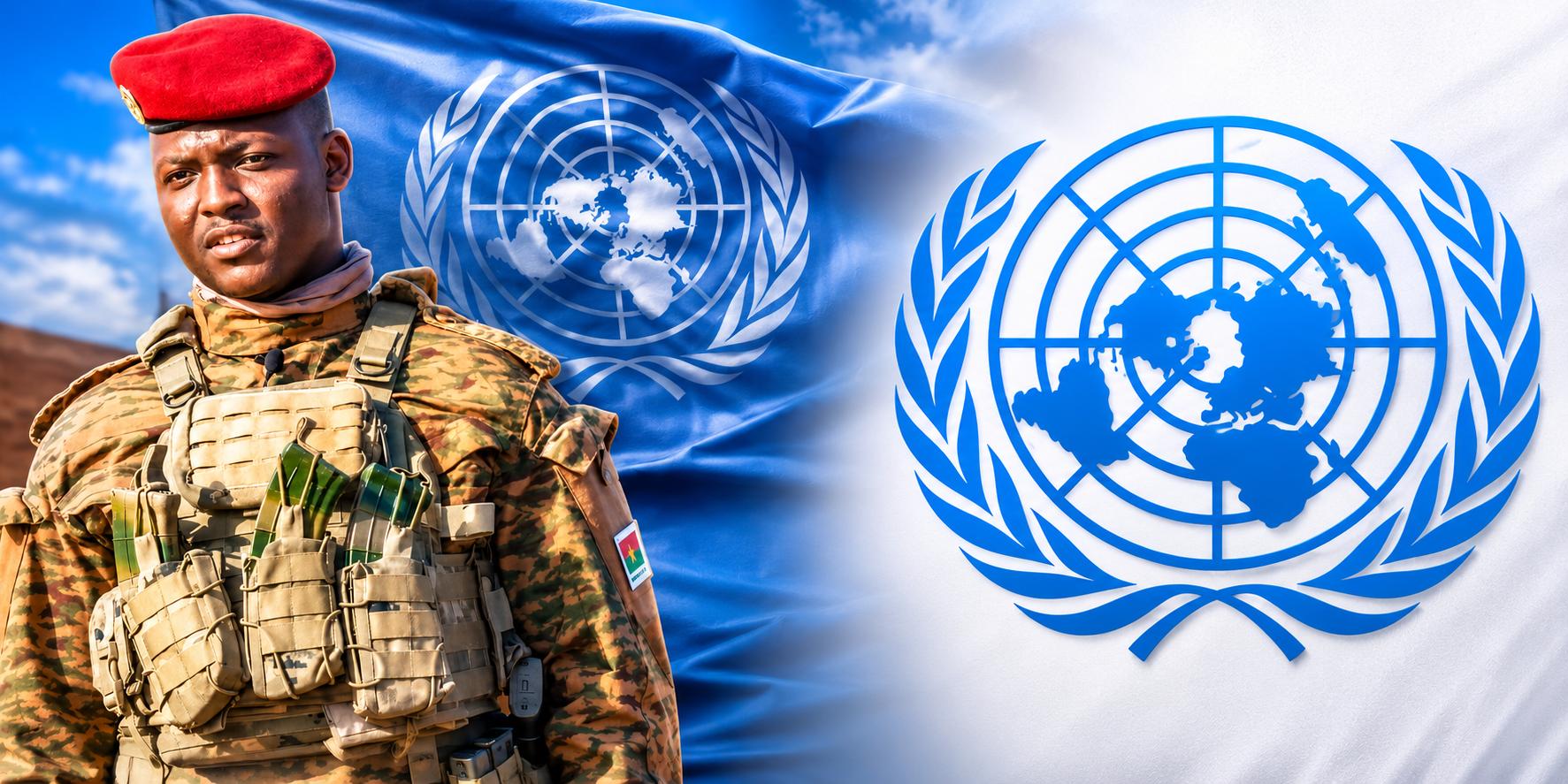
The captain’s strategy has shifted from national resilience to systematic diplomatic withdrawal. What began as calls for sovereignty has devolved into a scorched-earth foreign policy, eroding Burkina Faso’s standing among its traditional allies.
A deliberate choice for secrecy
Forcing the UN out was not an isolated incident, but the culmination of a broader pattern. Captain Traoré has methodically severed ties with institutions that once supported the nation, prioritizing control over cooperation:
- He spearheaded the abrupt break with the ECOWAS regional bloc, turning away from decades of partnership.
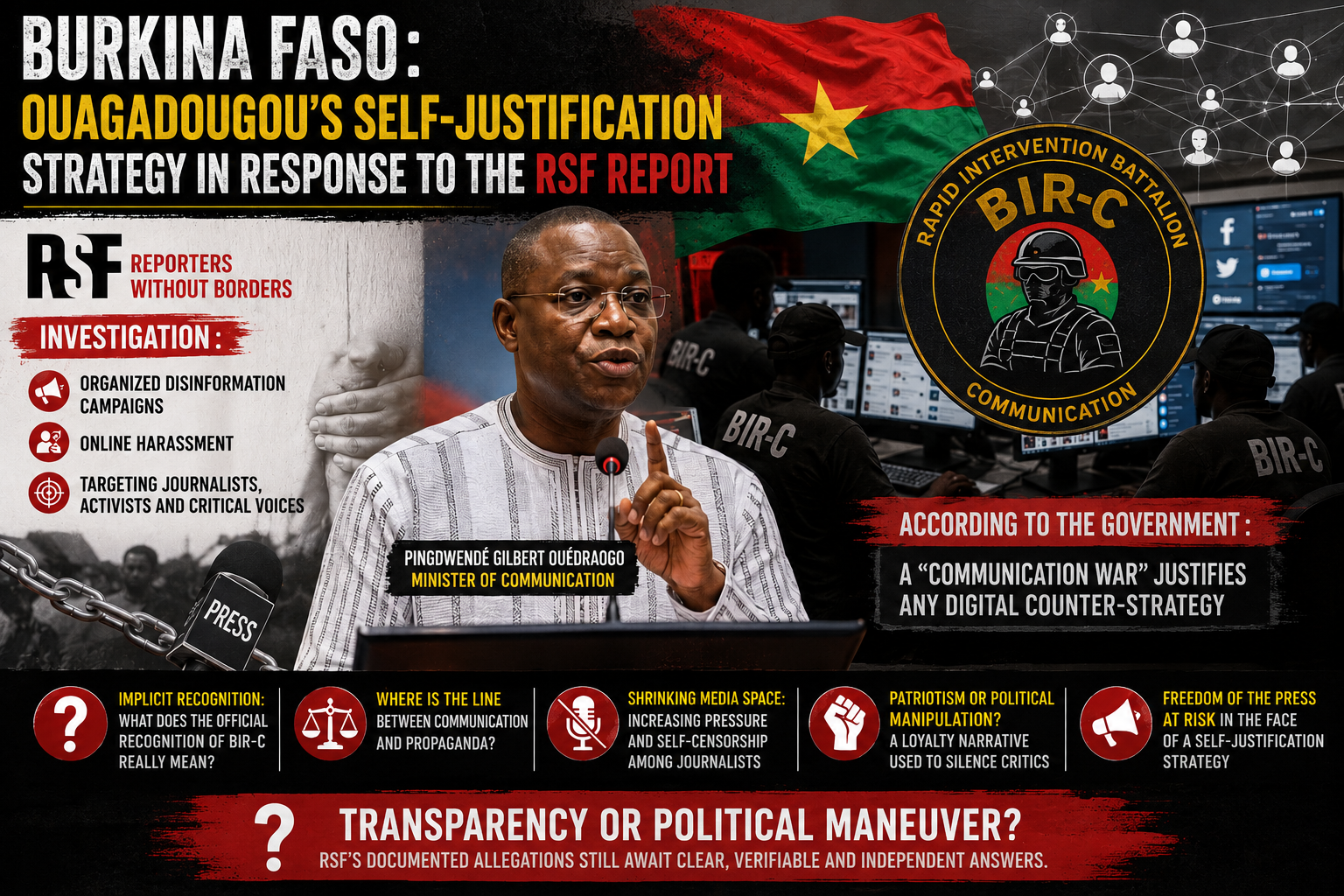
- Under his watch, independent media—both domestic and foreign—have faced relentless censorship or suspension at the slightest sign of dissent.
- His administration first undermined the National Human Rights Commission before turning its sights on the UN, eliminating every independent watchdog in its path.
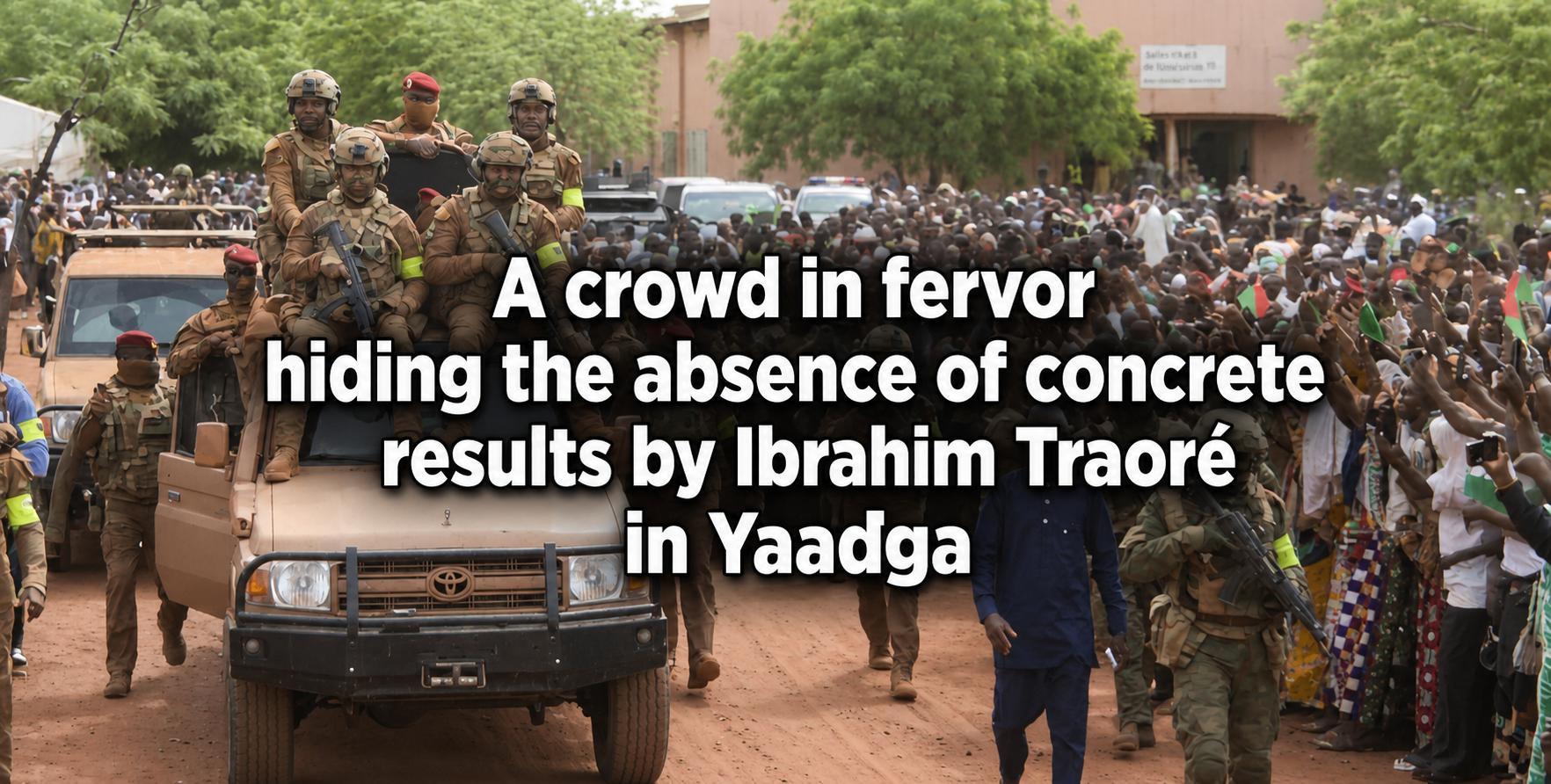
By silencing critics and shutting out observers, Ibrahim Traoré is attempting to monopolize the narrative of the conflict. Those who expose abuses, failures, or missteps are swiftly labeled as “traitors” or tools of foreign interference.
An unsustainable path for Burkina Faso
This inward-looking, highly centralized leadership is pushing the country toward a precarious future. By rejecting engagement with the United Nations and announcing plans to withdraw from the International Criminal Court (ICC), Captain Traoré is not only defying global institutions—he is betraying the trust of his own citizens.
Cutting off the Burkina Faso armed forces and civilian defense volunteers from UN expertise in international humanitarian law is a grave strategic misstep. It removes safeguards against impunity on the ground, risking a backlash from civilians and ultimately strengthening terrorist groups.
The captain’s vision of sovereignty—one built on opacity and defiance—has become a trap. True independence cannot mean governing beyond scrutiny, beyond the rule of law, or beyond the reach of the people.