Human rights violations in DRC: Paul Nsapu highlights stark differences between Kinshasa and eastern regions
- Society
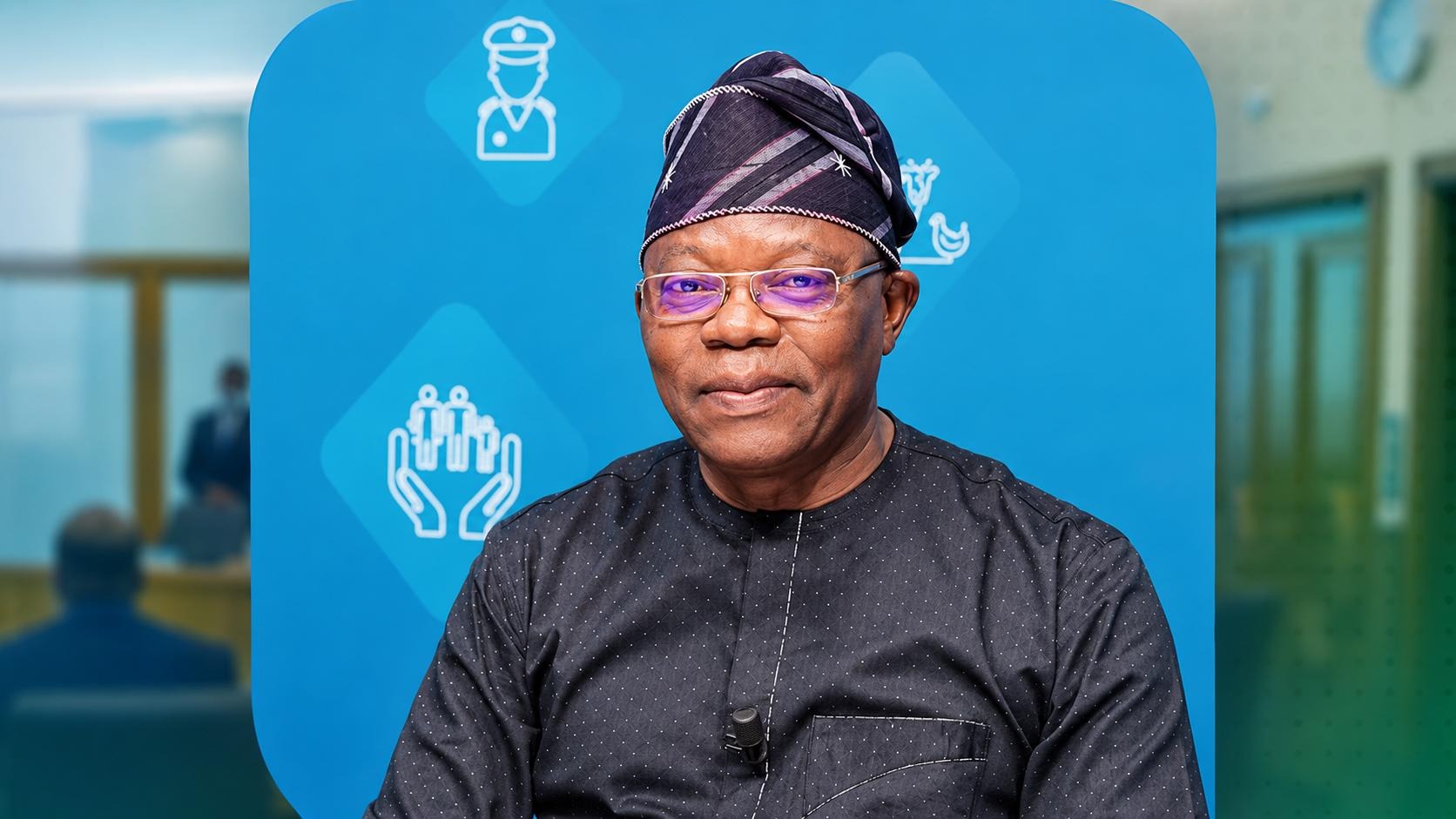
During a live Space discussion organized on Tuesday by journalist Stanis Bujakera Tshiamala, Paul Nsapu, Chairman of the National Human Rights Commission (CNDH), presented a nuanced assessment of human rights under President Tshisekedi’s administration. While acknowledging legislative progress, he identified two distinct realities across the country.
Structural violations persist in Kinshasa
In provinces under central government control, Nsapu highlighted ongoing violations of civil, political, economic, and social rights—including access to work, healthcare, and education. These, he argued, stem from decades of systemic failures characterized by chronic underdevelopment and persistent neglect of citizens’ basic living conditions.
A far graver crisis in eastern DRC
In stark contrast, the situation in the eastern provinces of North Kivu, South Kivu, and parts of Ituri represents a severe deterioration of fundamental human rights. Nsapu described this as the erosion of the very core of human dignity: the right to life and security. He specifically pointed to the presence of Rwandan military forces and their allied militias operating in areas beyond Kinshasa’s control as major contributing factors to this crisis.
The human rights advocate emphasized that these violations are not isolated incidents but part of a systematic pattern that threatens the very fabric of Congolese society. While progress has been made in legislative frameworks, the implementation gap remains stark, particularly in regions plagued by armed conflict and foreign interference.