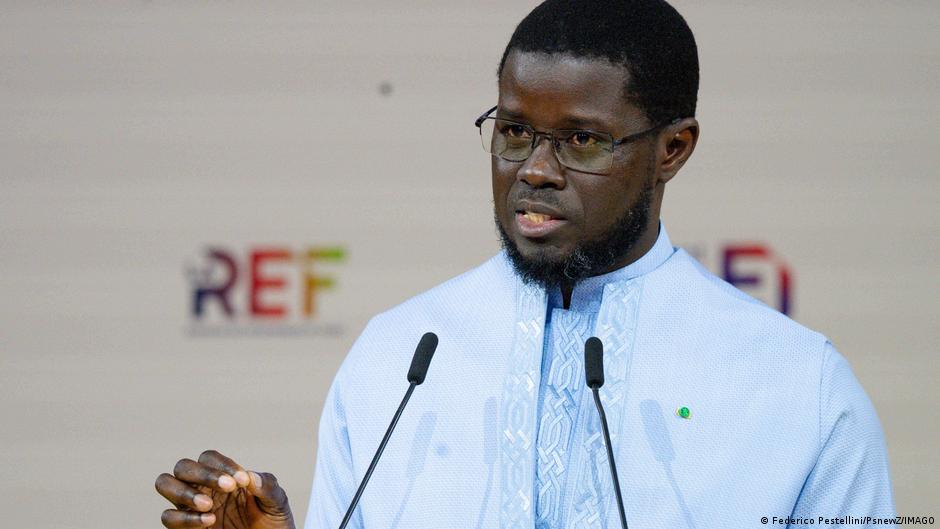
As the political landscape in Senegal continues to evolve, all eyes are on President Bassirou Diomaye Faye and the unexpected dynamics shaping his administration. The recent reshuffle, marked by the dismissal of former Prime Minister Ousmane Sonko, has sent ripples through the country’s corridors of power. Sonko’s swift political rebound—securing the presidency of the National Assembly—has intensified the debate over governance and reform in a nation grappling with economic challenges.
a shifting balance of power in Dakar
On May 22, 2025, President Faye made the decision to terminate Ousmane Sonko’s tenure as Prime Minister, a move that underscored growing tensions within their shared political movement, Pastef. Yet, Sonko’s political influence showed no signs of waning. Just days later, he was overwhelmingly elected as Speaker of the National Assembly, a position that places him second in the state hierarchy. This development has raised critical questions about the cohesion of the ruling party and the president’s ability to advance his agenda.
In a parallel move, Ahmadou Al Aminou Lô, a seasoned economist from the West African Central Bank (BCEAO), was sworn in as the new Prime Minister. His appointment signals a shift toward technocratic governance, aimed at addressing Senegal’s pressing economic concerns while navigating the complexities of a divided political environment.
can the president deliver on his promises?
With Senegal facing mounting economic pressures, President Faye’s capacity to implement reforms hinges on his political strategy. The appointment of Lô, a respected figure in regional finance, suggests a focus on stability and fiscal prudence. However, the growing rift between the president and Sonko—both former allies—poses a significant hurdle. Sonko’s new role as Speaker grants him substantial influence over legislation, potentially complicating Faye’s efforts to push through key policies.
The president’s challenge is clear: Can he reconcile party unity with the need for decisive action? The answer may well determine the trajectory of Senegal’s political and economic future.
expert perspectives on Senegal’s political future
To dissect these developments, a panel of seasoned analysts weighs in on the evolving power dynamics:
- Mamoudou Ibra Kane, a seasoned journalist and political commentator, offers insights from his recent work on Senegal’s shifting governance. His analysis draws from decades of experience covering the country’s political landscape.
- Karine Oriot, a geopolitical analyst, examines the regional implications of Senegal’s internal changes and their potential impact on West Africa.
- Moussa Diaw, a renowned political science professor at the University of Gaston Berger, provides a scholarly perspective on the intersection of domestic politics and international relations.