Gabon budget 2027: shaping the nation’s economic future
Libreville, July 14, 2026 — Gabon stands at a critical economic crossroads today as the government initiates its most consequential budget planning exercise in recent years.
This week’s budget conferences represent more than procedural formalities; they mark the formal launch of the 2027 Finance Bill process. This legislation will crystallize the nation’s economic, social and institutional priorities for years to come.
Under the leadership of Vice-President of Government Hermann Immongault, cabinet members are convening to determine how public resources should be allocated in an era of global economic uncertainty, persistent inflationary pressures and mounting public demand for improved living standards and essential services.
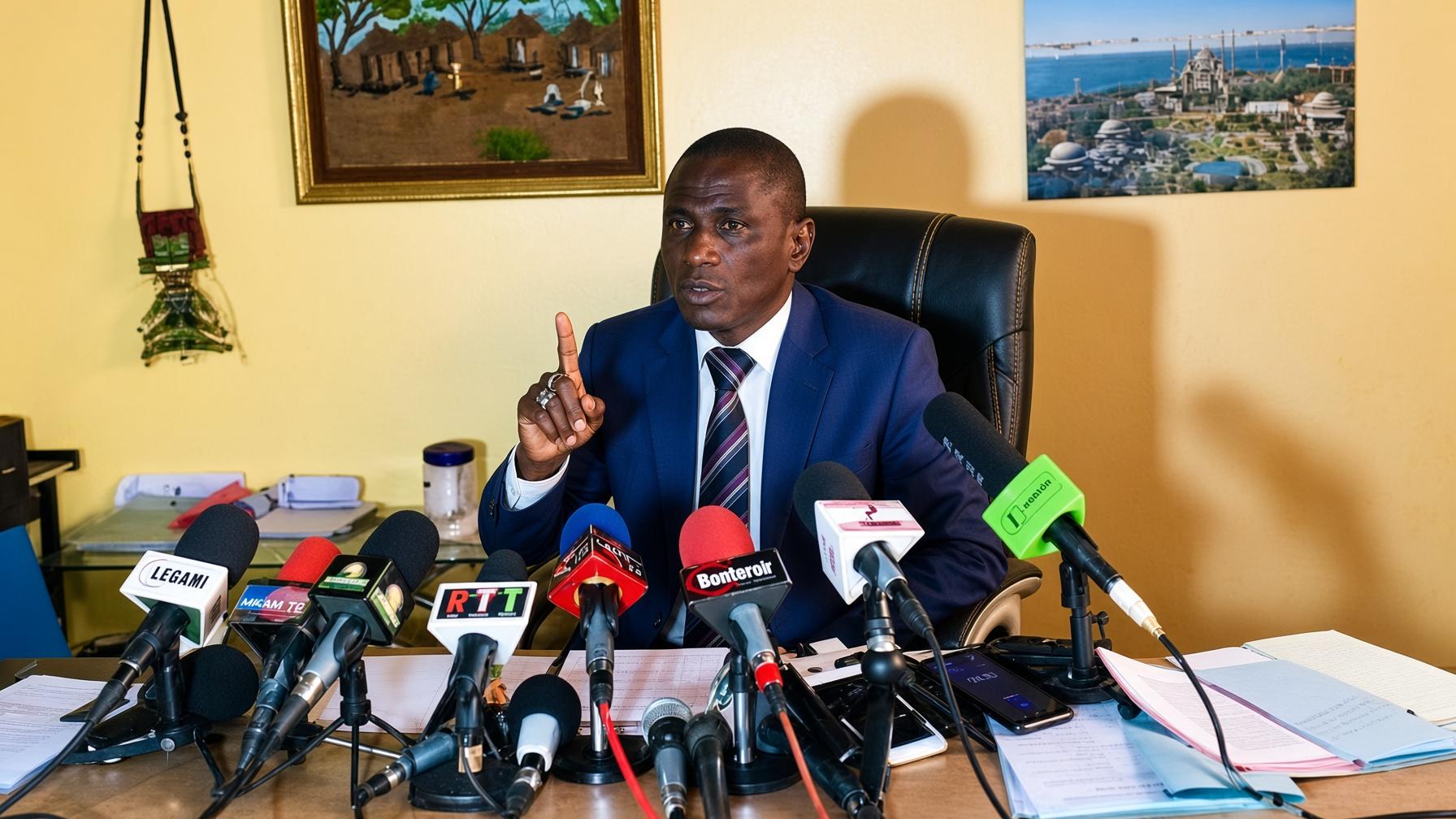
Finance Minister Thierry Minko, who also oversees efforts to combat rising costs, unveiled the detailed work schedule that commences today with all government departments. The message is unambiguous: the 2027 budget must prioritize efficiency, effectiveness and tangible social impact.
Putting purchasing power first
Government authorities have made clear their top priority: protecting household purchasing power and maintaining population welfare. In a global economy still grappling with commodity price volatility, supply chain disruptions and widespread cost-of-living increases, this commitment represents a deliberate policy choice.
The state will concentrate its limited resources on sectors with the most immediate impact on citizens’ daily lives. Health services, education, infrastructure development, support for productive investments, food security and social policies are expected to emerge as major beneficiaries of the coming budget allocations.
Minister Minko outlined a two-phase approach to the budget conferences. The first phase will see each ministry present its priorities and funding requirements. The second phase will involve rigorous technical analysis of project feasibility and financial compatibility with state resources.
This structured methodology aims to enhance public spending quality and prevent the budgetary imbalances that have occasionally marred previous fiscal years.
National Plan becomes the guiding framework
A second crucial development emerges from this process: the elevation of the National Growth and Development Plan (PNGD) to become the central reference for all public action.
« The 2027 budget will be fully aligned with the PNGD, » declared Minister Minko. This represents a fundamental shift in Gabon’s economic governance approach.
Historically, many African budgets have functioned as annual accounting exercises somewhat disconnected from long-term development strategies. The current administration seeks to reverse this pattern.
Every infrastructure project, every policy initiative, every public investment must now demonstrate its direct contribution to the objectives outlined in the national growth strategy. This approach aims to strengthen policy coherence and maximize the economic and social returns on public expenditure.
Balancing IMF requirements with national priorities
Discussions with the International Monetary Fund will intensify over coming months. On this sensitive file, the government has established firm red lines.
The upcoming cooperation program must neither compromise recent social achievements nor slow down critical development investments. This stance reflects the authorities’ determination to reconcile fiscal discipline with social justice.
The goal is to maintain the country’s financial credibility while preserving the investment capacity needed for economic transformation. Before final adoption, the 2027 Finance Bill must pass through several constitutional stages: review by the Economic, Social and Environmental Council, the Court of Auditors, and the Council of State, before parliamentary consideration.
Vice-President Immongault emphasizes that this meticulous preparation is essential to avoid past budgetary dysfunctions and enable each minister to defend a realistic, coherent budget aligned with national priorities. Every budget line represents a societal choice.
More than a financial document, the national budget expresses the state’s priorities, its development vision and the social contract it seeks to establish with its citizens.
The budget conferences opening today therefore mark the beginning of a broader national project for 2027 and beyond.