Gabon asserts control over its fishing resources in bold new policy
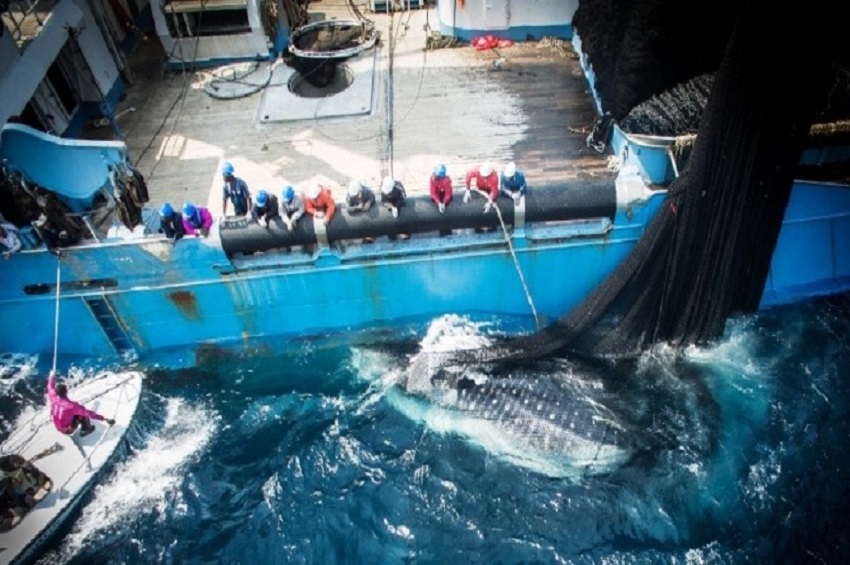
Libreville, June 17, 2026 — With the expiration of its sustainable fishing partnership with the European Union just days away, Gabon has taken a decisive step to reclaim sovereignty over its maritime resources. Authorities in Libreville have declined to renew an agreement widely criticized as deeply inequitable, signaling a broader shift toward asserting national control over resource-generated wealth.
The move reflects Gabon’s growing determination to break free from traditional extractive models that have long sidelined local economic benefits. Beyond mere financial considerations, this decision underscores a strategic vision: transforming Gabon from a passive supplier of raw materials into an active participant in the value chains of its own natural riches.
This policy pivot arrives at a pivotal moment. Across Africa, debates surrounding fisheries governance are intensifying. Recent continental forums on blue economy and ocean sustainability have seen multiple nations advocate for greater transparency, traceability, and local value retention in fishing agreements with global powers. Gabon’s decision appears to embody this emerging continental consensus.
Ending an unbalanced model
For years, fishing agreements between several African states and the European Union have sparked controversy. While marketed as tools for sustainable marine resource management, these deals have frequently been accused of prioritizing foreign fleet interests over local economic gains.
Gabon’s government now argues that the annual €2.6 million compensation offered by Brussels falls far short of the actual value of tuna and other fish species harvested in Gabonese waters—one of the Gulf of Guinea’s most abundant marine zones. The disparity is glaring: while Gabon shoulders the costs of monitoring and securing its exclusive economic zone, the bulk of the profits flow to external players.
Even more concerning for Libreville is the lack of local value addition. The majority of fish caught in Gabonese waters is offloaded, processed, and sold abroad, leaving the country on the sidelines of the wealth its own marine resources generate.
Prioritizing local transformation
The heart of Gabon’s strategic shift lies in industrializing its fishing sector. Following the footsteps of reforms in timber, mining, and oil, the government is now targeting fisheries to reduce raw material exports and boost domestic processing. The goal? To create a thriving national tuna industry capable of generating jobs, attracting investments, and increasing public revenue.
This approach aligns with recommendations from African institutions like the African Development Bank, which estimates the continent loses billions annually due to insufficient local processing of marine resources. With over 800 kilometers of coastline and one of West Africa’s largest maritime zones, Gabon is uniquely positioned to develop a competitive, sustainable fishing industry.
Transparency, sovereignty, and sustainability
Gabon’s decision is not solely economic—it is also about reclaiming sovereignty and ensuring ecological responsibility. Authorities highlight the risks of overfishing in unregulated zones, echoing concerns raised by environmental groups about declining tuna stocks in parts of African waters.
By refusing to extend the current agreement expiring June 28, 2026, Gabon is setting new standards for future partnerships. These will demand stricter environmental safeguards, full traceability of catches, and meaningful local value creation. This stance marks a significant shift in the balance of power between African resource-rich nations and their traditional partners.
Gabon’s move could set a regional precedent, sending a clear message: access to Africa’s natural resources must now be tied to sovereignty, transparency, and inclusive development. As the continent seeks to build more autonomous and integrated economies, Libreville’s decision exemplifies a growing trend—one where African nations are no longer content to export raw wealth but are determined to shape their own economic destiny.
You may also like
Mali’s official narrative stirs debate as Goïta’s promises collide with daily struggles
Nanga armoured vehicles: Burkina Faso’s ‘made in Burkina’ claim sparks national debate as questions mount
Sévaré attack aftermath: Mali’s security debate and the road ahead
Mali’s JNIM attacks: mounting toll, rising debate, uncertain path forward
What the first Sèmè crude cargo means for Benin — and the debate it has sparked