Gabon and Monaco unite to turn natural capital into climate solutions
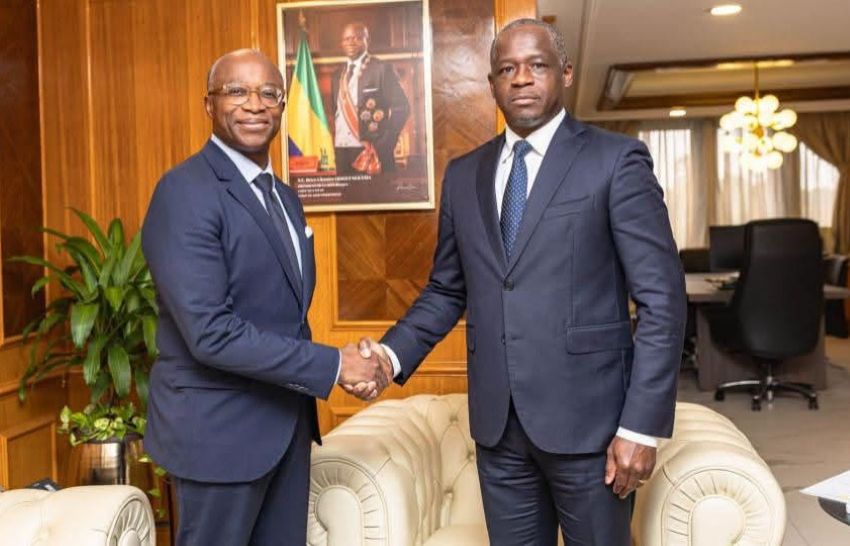
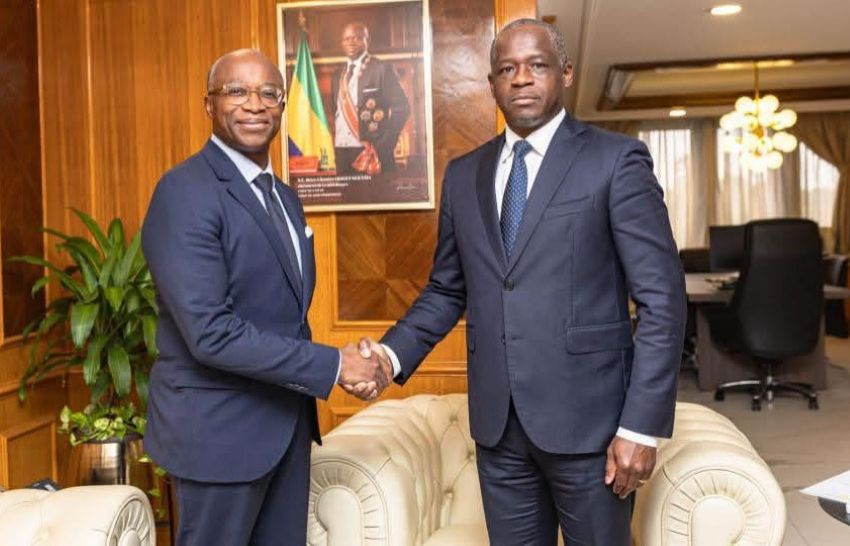
Libreville, August 9, 2026 – Gabon is positioning its natural wealth as a cornerstone of climate diplomacy and sustainable development. The August 5 meeting between Vice-President Hermann Immongault and a delegation from the Prince Albert II of Monaco Foundation marks a pivotal moment in this strategic shift.
While environmental conservation remains the focal point, the broader objective is clear: to forge international partnerships that finance, safeguard, and enhance the value of Gabon’s forests, biodiversity, and marine ecosystems.
The Monégasque delegation, led by Charles Oula Siehe, Special Advisor for Africa at the Prince Albert II Foundation, engaged in discussions with Vice-President Immongault, joined by Maritime and Blue Economy Minister Aimé Martial Massamba. At the heart of the talks was the potential to expand the Foundation’s presence in Gabon and deepen collaborative efforts across multiple sectors.
Why Gabon?
Gabon’s strategic importance cannot be overstated. Its vast rainforests, rich marine ecosystems, and unparalleled biodiversity make it a global ecological asset. As climate change accelerates and nations seek nature-based solutions, Gabon’s natural capital has transformed from a local responsibility into a geopolitical advantage—a magnet for international investment and funding.
The Congo Basin equation
The timing of the Foundation’s interest is no coincidence. With its 20th anniversary approaching in September, the organization is prioritizing action in the Congo Basin, one of the planet’s most critical carbon sinks and biodiversity reserves. For Gabon, this presents an opportunity to align international ambitions with domestic priorities.
The proposed cooperation could span four key areas: forest protection, biodiversity conservation, carbon financing mechanisms, and blue economy development. Each of these pillars holds transformative potential for Gabon’s sustainable future.
The blue economy deserves special attention. For a nation with significant maritime resources, sustainable ocean management is no longer optional—it’s a pathway to economic growth. The challenge lies in balancing resource exploitation with ecosystem preservation and equitable benefits for local communities.
Forest conservation follows a similar logic. Gabon isn’t just protecting trees; it’s positioning itself to monetize the environmental services it provides to the world. Carbon financing could become a viable revenue stream, provided mechanisms are transparent, credible, and ensure fair compensation for conservation efforts.
From natural heritage to geopolitical asset
This meeting reflects Gabon’s evolving environmental diplomacy. The country is redefining nature protection not as an ecological obligation but as a driver of development, international cooperation, and global influence.
Yet translating vision into action remains the ultimate test. A successful partnership must deliver concrete outcomes: funded projects, skill transfers, job creation, scientific data, and sustainable ecosystem protection. The real measure of success will be Gabon’s ability to convert these intentions into measurable, long-term results.
For both nations, this collaboration is strategically sound. Monaco brings expertise, networks, and the ability to mobilize global support for environmental causes. Gabon offers a critical foothold in the Congo Basin, where ecosystems directly impact global climate stability.
This isn’t merely a diplomatic engagement—it’s part of Gabon’s fight to position its natural capital as a strategic asset. In a world where forests, oceans, and biodiversity are increasingly valued as economic resources, Libreville must negotiate partnerships with the same rigor it applies to trade agreements.
The stakes are clear: Gabon isn’t just seeking support to protect its environment. It’s fighting to have the world recognize the tangible value of what it preserves. If the partnership with the Prince Albert II Foundation succeeds in merging conservation, financing, expertise, and national benefits, it could redefine Gabonese diplomacy—a shift toward leveraging environmental stewardship as a pillar of sovereignty and sustainable growth.
You may also like
Burkina Faso: shrinking civil service payroll exacts a heavy toll on households and local economies
Simporé’s TV admission: Burkina Faso reacts as the security narrative crumbles
Gabon’s ghost payroll purge: public reaction, union pushback and what happens next
After Burkina Faso’s imam crackdown: the fallout, the anger, and the road ahead
Benin’s disability card rollout: reactions, scrutiny and what happens next