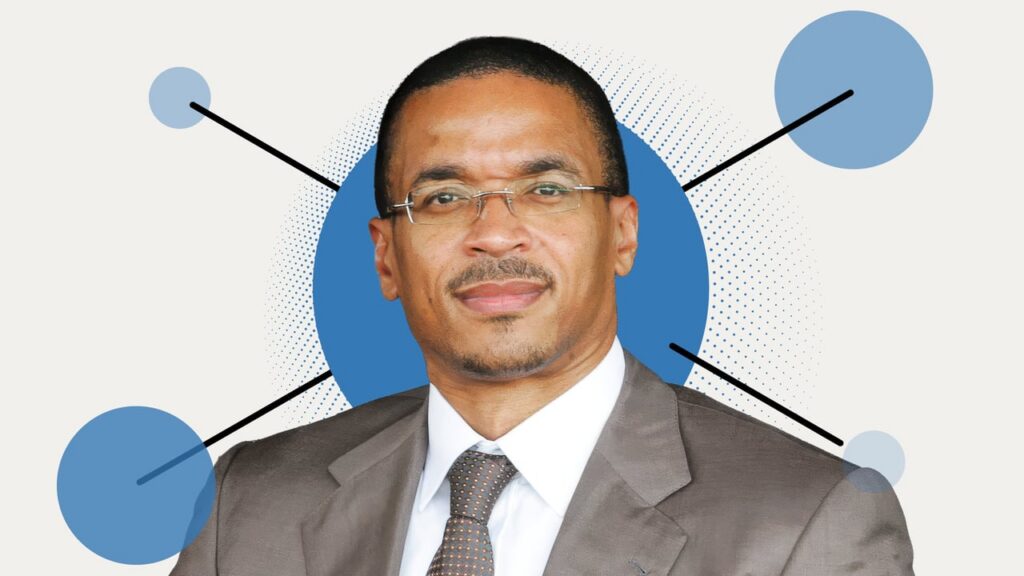
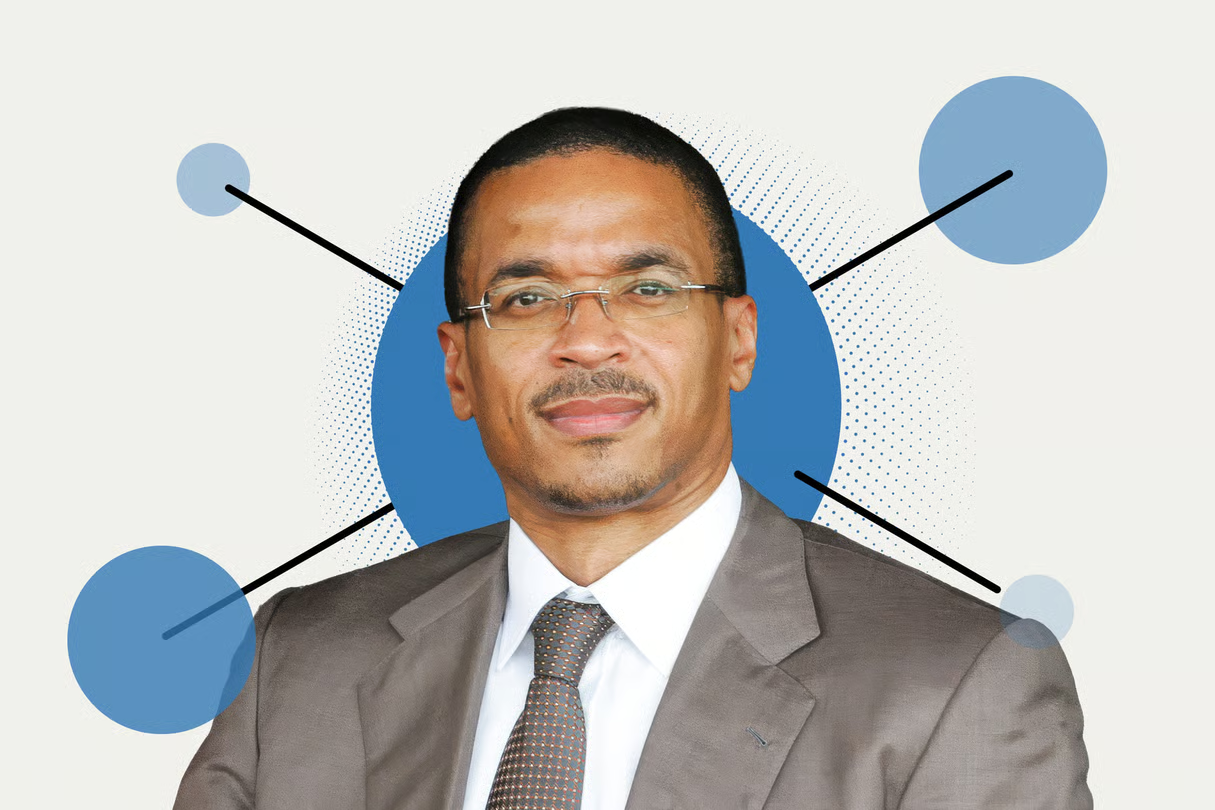
Franck Biya, son of Cameroon’s veteran leader Paul Biya, is rapidly becoming a central figure in the country’s political landscape as speculation mounts about his potential appointment to a high-profile government role. With decades of experience under his belt, the younger Biya is positioning himself as a key player in shaping Cameroon’s future governance.
Political dynamics and family influence
Cameroon’s political arena has long been dominated by the Biya family, and Franck Biya’s potential ascent to the vice-presidency reflects the enduring influence of this political dynasty. As the son of President Paul Biya, who has led the country since 1982, Franck has grown up within the corridors of power, gaining firsthand experience in national affairs.
The younger Biya has been steadily building his profile in recent years, serving in various capacities within government structures. His name frequently surfaces in discussions about potential leadership transitions, with many political observers viewing him as a natural successor to his father’s legacy.
Public perception and political strategy
While some Cameroonians see Franck Biya’s rise as a continuation of the Biya family’s political dominance, others view it as a strategic move to ensure continuity in leadership. The young Biya has cultivated relationships across Cameroon’s diverse political spectrum, positioning himself as both a unifying and stabilizing force in an increasingly complex national environment.
His potential appointment would not only solidify the Biya family’s grip on power but also signal a generational shift in Cameroon’s leadership approach. Analysts suggest that this move could help maintain stability in a region where political transitions often spark uncertainty.
Regional implications and future prospects
Franck Biya’s potential vice-presidential bid carries significant implications for Cameroon’s political future and its role in Central Africa. As the country navigates economic challenges and security concerns, the younger Biya’s leadership could bring renewed focus to domestic development and regional cooperation.
Political watchers are closely monitoring the situation, with many speculating that this appointment could pave the way for broader reforms and a more dynamic approach to governance. The move might also influence Cameroon’s relationships with neighboring countries and international partners.
As Cameroon stands at this critical juncture, the potential elevation of Franck Biya to the vice-presidency represents more than just a political appointment—it could redefine the country’s trajectory for years to come.
You may also like
Atonfack Guemo’s vigilance appeal sparks nationwide debate: what Cameroonians are saying now
Mali’s 514 billion FCFA Russian mercenary contract sparks public outcry and doubts over Bamako’s next move
Molodo ambush fallout: Mali’s public debate shifts as Africa Corps credibility crumbles
United Russia’s 355 seats: the fallout, the debate, and what comes next for Russia’s Douma
After the flames: Moscow refinery strike sparks debate over where this war is heading