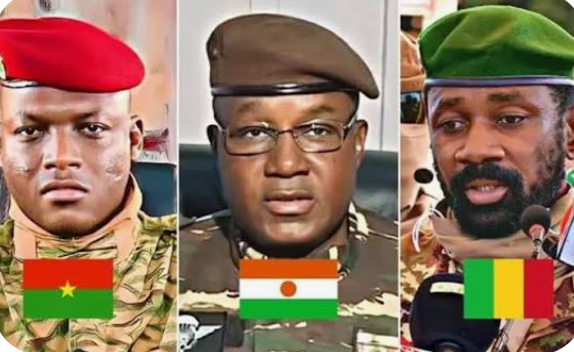
Military regimes in Mali, Guinea, Burkina Faso, and Niger are increasingly silencing dissent through forced disappearances and unlawful detentions, as highlighted in recent human rights reports.
On July 9, 2024, two Guinean activists from the Front National pour la Défense de la Constitution—Mamadou Billo Bah and Oumar Sylla (also known as Foniké Menguè)—were forcibly taken from Oumar Sylla’s home the day before a protest against rising living costs and for a return to civilian rule. According to Mohamed Cissé, another activist arrested with them and later released with severe injuries, the two were allegedly transported by security forces to a secret detention site in the Loos Islands off the coast of Conakry. Authorities have denied holding them, leaving their fate uncertain.
Suppressing dissent through fear
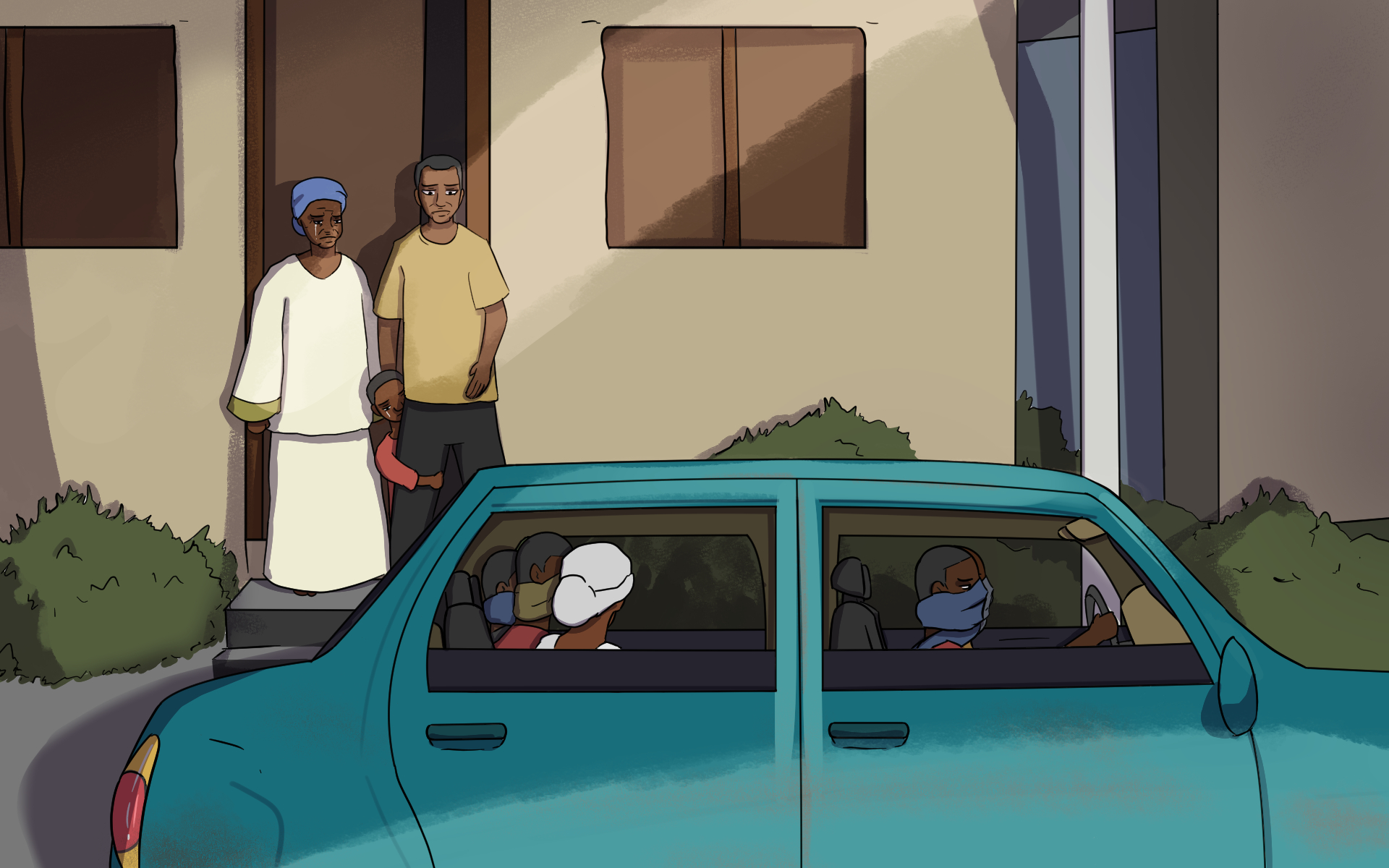
Security forces in West Africa’s military-led governments systematically target civil society members—journalists, judges, lawyers, activists, and human rights defenders—using forced disappearances and unlawful detentions as tools of repression. Victims are often abducted in broad daylight, from their homes or workplaces, by armed individuals, sometimes posing as state agents. Blindfolded and forced into unmarked vehicles, they are held in secret locations for days, weeks, or even longer, subjected to interrogations without legal oversight.
These abductions violate national and international law. Authorities either deny involvement or remain silent about detainees’ whereabouts. Families and lawyers receive no updates, and victims are sometimes held in informal detention centers, such as security service offices. The goal? To instill fear and silence opposition.
Growing list of victims
In Burkina Faso, human rights lawyer and Balai Citoyen co-founder Guy Hervé Kam was unlawfully detained for five months in 2024. In March 2025, five members of the Sens movement—who had spoken out against civilian massacres—were abducted by armed men in civilian clothing, reportedly security forces. Authorities have remained silent despite public outcry. Four journalists—Serge Oulon, Adama Bayala, Kalifara Séré, and Alain Traoré—were taken in June and July 2024. In October 2024, authorities announced that the first three had been conscripted into the military under a general mobilization decree, while the fourth remains missing.
In Niger, journalist and blogger Samira Sabou was held incommunicado for a week in September 2023 after her arrest at home. Lawyers for Moussa Tchangari, secretary-general of Alternatives Espaces Citoyens, only learned of his detention location two days after his arrest, when he was transferred to police custody.
In Mali, Ibrahim Nabi Togola, leader of the opposition party Nouvelle Vision pour le Mali, was abducted in December 2024 by suspected state security agents and held for 45 days before his release. In Guinea, journalist Habib Marouane Camara was taken on December 3, 2024, by armed men identified as gendarmes; his whereabouts remain unknown.
Judicial resistance against authoritarian tactics
In many cases, forced disappearances end with victims being handed over to police to face fabricated charges. In Burkina Faso, detainees have even been forcibly conscripted into the military and sent to the frontlines, including journalists Guézouma Sanogo and Boukari Ouoba of the Association des journalistes du Burkina Faso, who had criticized press freedom violations, and Luc Pagbelguem of private channel BF1.
Judges and magistrates have occasionally pushed back. In July 2024, the Guinean Bar Association demanded the release of Oumar Sylla and Mamadou Billo Bah, boycotting court sessions until their demands were met. Courts in Mali and Niger have also ruled against arbitrary detentions. Yet such acts of resistance come at a cost—at least five Burkinabè judges were forcibly conscripted into the military in 2024 after handling cases involving authorities or their allies.
Despite mounting pressure, the judiciary must continue to uphold the rule of law. International support for justice systems in these nations is critical to protect civil liberties and prevent further disappearances.