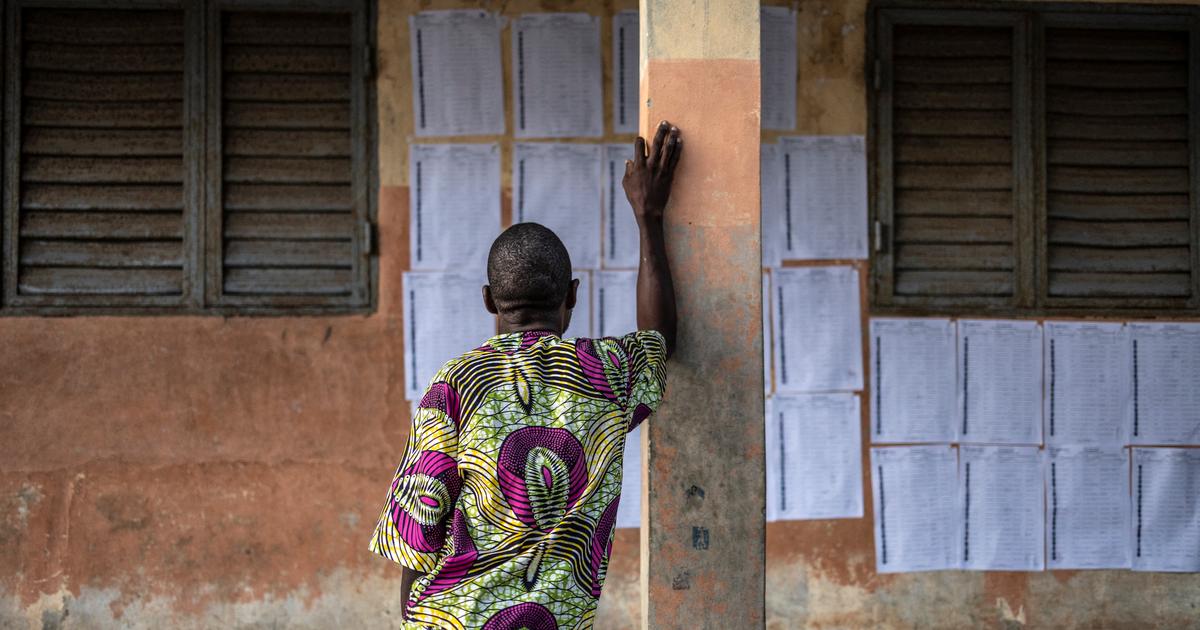
The 2025 presidential elections across Africa have been anything but ordinary. Instead of suspenseful races, many contests were predetermined before the campaign season even began. Recent examples include Djibouti on April 10 and Benin on April 12, where incumbents secured overwhelming victories—97.8% and 94% respectively. These landslide results, however, tell only part of the story.
Behind the numbers: the cost of exclusion
In Djibouti, prominent opposition figure Alexis Mohamed withdrew from the race, citing both security concerns and crippling nomination fees. The financial barrier proved insurmountable, effectively sidelining credible challengers before the vote even took place. Observers now describe the election as little more than a “ceremonial exercise”, where the outcome was decided long before polling stations opened.
This phenomenon is not isolated. Across the continent, candidates face prohibitive campaign costs that extend far beyond traditional fundraising. From exorbitant filing fees to mandatory sponsorship requirements, the system is rigged in favor of deep-pocketed incumbents or those backed by powerful networks. The result? Elections that lack real competition, where opposition voices are systematically silenced by financial constraints.
The anatomy of a financial blockade
Nomination fees alone can reach staggering amounts, often exceeding the annual income of average citizens. In some cases, candidates must secure sponsorship from wealthy patrons, further tilting the playing field. These costs are not just high—they are designed to be prohibitive, ensuring that only those with significant resources—or government backing—can even attempt to run.
The consequences are stark. Opposition candidates either abandon their bids due to financial impossibility or face overwhelming disadvantages in campaigning. Media access, public rallies, and voter outreach all require substantial funding, leaving underfunded challengers at a severe disadvantage. The result is a democratic process that feels increasingly performative, where elections serve as a veneer of legitimacy rather than a genuine contest of ideas.
Why this matters for democracy
The erosion of competitive elections has far-reaching implications. When opposition figures are systematically excluded, citizens lose their most powerful tool for holding leaders accountable. Without viable alternatives on the ballot, elections become a rubber-stamp exercise, reinforcing the status quo and stifling political diversity.
This trend is particularly concerning in regions where public trust in institutions is already fragile. When elections are perceived as predetermined, it fuels cynicism and disengagement among voters. The message is clear: democracy, as it stands, is being redefined—not by the will of the people, but by the depth of their pockets.