EU dodges Morocco criticism amid Ceuta migrant influx
European leaders prioritize countering false narratives over addressing border tensions
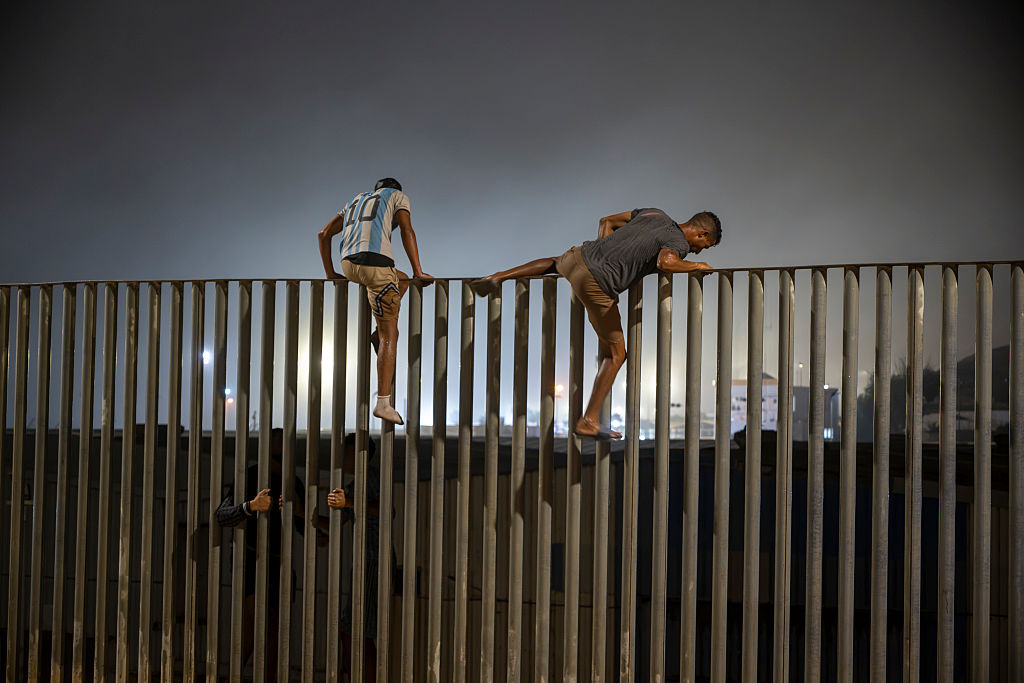
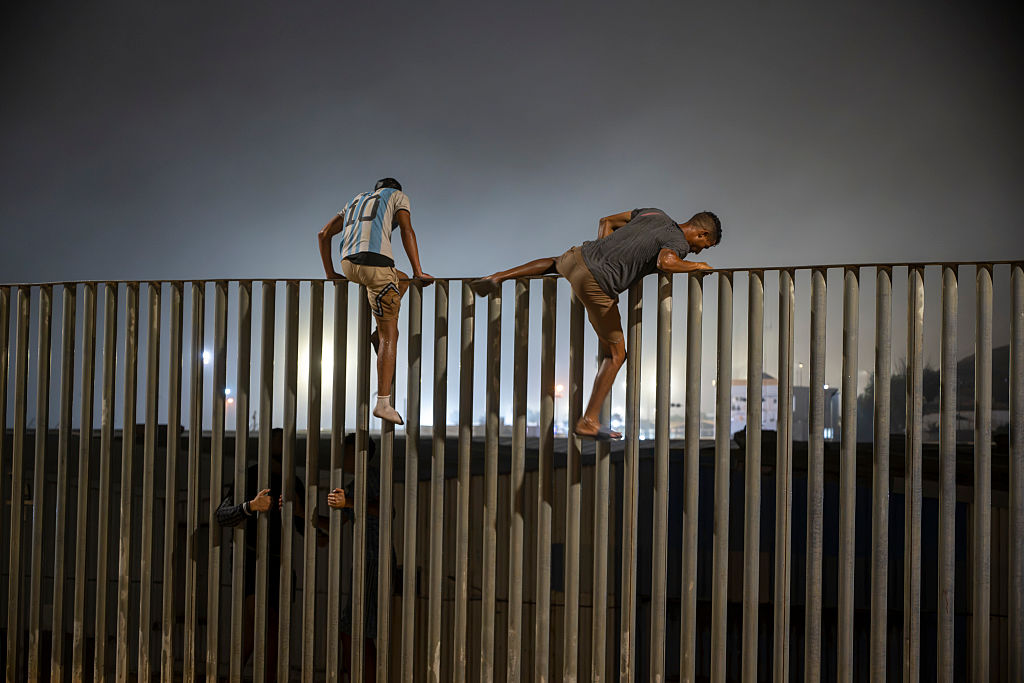
Madrid urged European counterparts to avoid public condemnation of Morocco during an emergency video conference of interior ministers, as officials grappled with the sudden arrival of over 72,000 people through the North African crossing. The unprecedented surge raised immediate questions about border security and the role of neighboring states in managing migration flows.
Spain’s diplomatic maneuver reflects a strategic effort to preserve its partnership with Rabat, which remains crucial for future migration management and counter-terrorism cooperation. Morocco has long served as a key ally for European security agencies, sharing intelligence and coordinating on regional stability efforts.
When pressed about accountability for the border breach during a Tuesday press briefing, Interior Minister Fernando Grande-Marlaska dismissed the notion of assigning blame, stating that “no single party bears sole responsibility.” His remarks, coupled with subtle signals from the Defense Ministry, signaled Spain’s reluctance to openly confront Morocco despite mounting international pressure.
Western intelligence sources later revealed that Moroccan authorities may have tacitly permitted the mass crossing as a calculated political signal to Madrid. The move appears designed to pressure Spain into addressing unresolved bilateral issues, though no official confirmation has been provided.
The crisis unfolded against a backdrop of rapidly spreading misinformation, including false claims that Spain’s Supreme Court had prohibited immediate deportations of irregular migrants arriving by sea. Social media platforms amplified these narratives, further complicating border management efforts.
Security analysts noted that Russian-linked disinformation networks reacted with unusual speed and scale to the events unfolding at the Spanish-Moroccan frontier. German Chancellor Friedrich Merz became one of the few European leaders to directly call on Morocco to take responsibility for the situation, while most officials steered clear of assigning fault.
European Commission President Ursula von der Leyen reiterated the bloc’s position that migrants must never be used as political leverage—without naming Morocco—while suggesting potential financial incentives to strengthen EU-Morocco cooperation. The Commission is also exploring deeper institutional ties with Rabat to enhance migration control mechanisms.
Shifting blame to digital deception
The EU’s response strategy notably pivoted away from diplomatic confrontation, instead emphasizing the role of criminal networks and online disinformation in exacerbating the crisis. This narrative aligns with Morocco’s official stance, with Interior Ministry spokesman Rachid Khalfi attributing the influx to “exploitation of digital spaces” that falsely portray Ceuta as a low-risk entry point into Europe.
Moroccan authorities also blamed Spain’s judiciary for failing to anticipate the consequences of legal rulings that sparked migration rumors. European Commission migration chief Magnus Brunner announced that Europol is investigating potential disinformation campaigns linked to the border incident, while EU ambassadors discussed enhanced intelligence-sharing protocols.
The European External Action Service is examining whether Russian actors attempted to weaponize the crisis on social media for geopolitical purposes, though no definitive evidence of coordinated pre-event campaigns has emerged. Meanwhile, Frontex—Europe’s border agency—is advocating for expanded mandates to monitor and counter disinformation across digital platforms in its next operational review.
No independent investigations have conclusively proven a coordinated premeditated campaign prior to last week’s events.