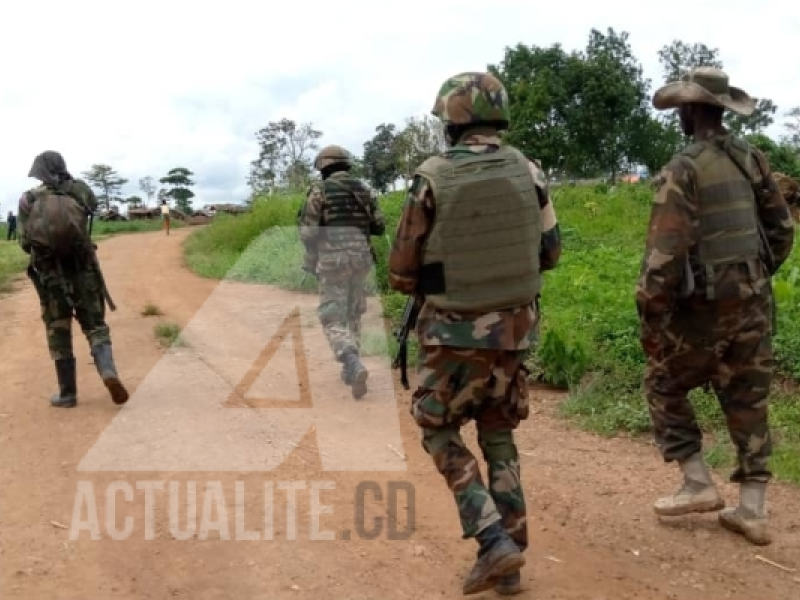
The Armed Forces of the Democratic Republic of the Congo (FARDC) have reiterated a strict ban on unauthorized smartphone use by troops deployed in combat zones. Military leaders warn that careless handling of mobile devices could compromise operations and endanger entire units.
New directive aims to protect troop positions
In a July 9 statement, acting FARDC spokesperson Lieutenant-Colonel Mak Hazukay emphasized that even a single smartphone, if misused, could reveal troop movements and expose soldiers to enemy attacks. The order prohibits soldiers from sharing sensitive information—such as positions, movements, or mission details—via social media, messaging apps, or any unauthorized channels.
What the military prohibits
- Using smartphones in combat zones without authorization
- Posting or sharing operational details, troop movements, or imagery online
- Disclosing unit strength or strategic plans through mobile devices
- Ignoring security protocols for mobile device use in active theaters
The military urges soldiers to report any suspicious phone activity or potential security breaches immediately. Commanders stress that vigilance and discretion are critical to mission success and troop safety.
Context behind the crackdown
This directive follows recent viral videos showing Congolese soldiers in South Kivu’s Fizi and Mwenga highlands—areas contested by the AFC/M23 rebel group—complaining about conditions at the front. Similar footage emerged in past conflicts near Goma, prompting repeated warnings from the army against actions that could undermine combat effectiveness.
Military officials have condemned such disclosures, arguing they embolden adversaries and weaken operational security. The latest ban reflects ongoing efforts to maintain operational secrecy in a volatile security environment.
Consequences of non-compliance
While the statement does not outline specific penalties, past incidents suggest violations could result in disciplinary action. Commanders have historically stressed that even unintentional breaches—such as leaving a phone’s GPS active—could have severe repercussions for both individual soldiers and their units.
As the conflict in eastern DRC persists, the military is doubling down on measures to prevent intelligence leaks and protect its forces from targeted attacks.