Gabon: President Oligui Nguema honored in Paris
Libreville, Tuesday, July 21, 2026 — Protocol is one of diplomacy’s most intricate languages. When a nation grants its highest ceremonial honors to a foreign leader, the gesture transcends mere symbolism, carrying profound diplomatic weight.
The French government’s decision to welcome Gabonese President Brice Clotaire Oligui Nguema with full state honors was not merely a formality. It marked the official launch of a renewed partnership between Paris and Libreville, unfolding against a backdrop of shifting diplomatic dynamics across Africa.
This state visit holds historic significance—it is President Oligui Nguema’s first since assuming office and the first accorded to a Gabonese leader since Omar Bongo Ondimba’s visit in October 1984. By extending this exceptional level of hospitality, both capitals signal their commitment to rebuilding cooperation based on shared interests, mutual respect, and a fresh vision for Franco-Gabonese relations.
The language of ceremonial diplomacy
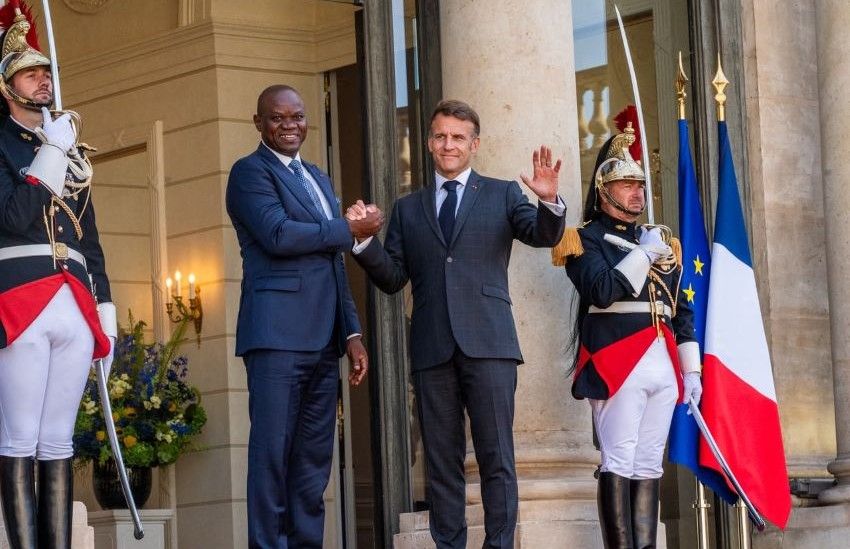
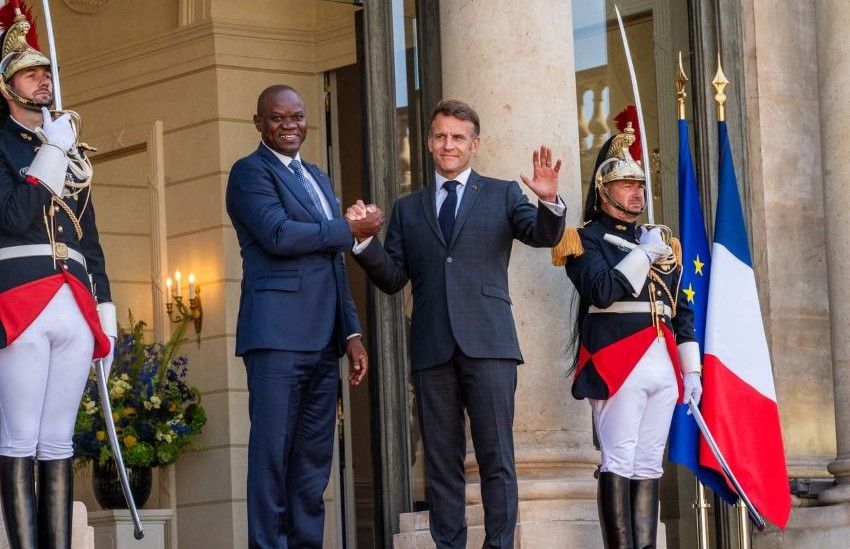
The day began with the most prestigious rituals of French republican tradition. At Les Invalides, President Oligui Nguema received military honors before inspecting the troops—a privilege reserved exclusively for heads of state on state visits.
His procession through Paris was escorted by twenty-five motorcyclists and one hundred twenty-eight members of the Republican Guard cavalry. Such an elaborate display, rarely deployed, represents one of France’s highest ceremonial distinctions bestowed upon a foreign leader.
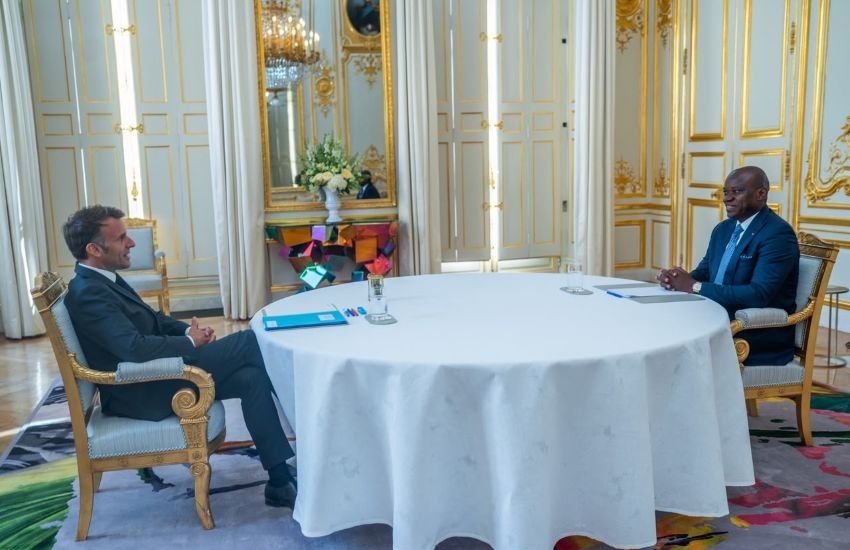
Upon arriving at the Élysée Palace, President Oligui Nguema was greeted by French President Emmanuel Macron. The two leaders exchanged a warm handshake before embarking on hours of discussions focused on strengthening strategic ties between their nations.
While the ceremony’s grandeur is undeniable, its true significance lies in its diplomatic message. In international relations, symbolic gestures often pave the way for substantive political decisions. By extending this level of hospitality, France underscores Gabon’s growing importance in its African policy.
A partnership evolving into a new era
For years, Franco-Gabonese cooperation has gradually shifted from historical ties toward a model centered on investments, industrialization, infrastructure, security, and energy transition.
This visit coincides with both governments’ efforts to frame their relationship within a co-development framework. Discussions at the Élysée addressed key issues poised to reshape this partnership.
For Gabon, this diplomatic milestone aligns with a broader strategy to bolster economic sovereignty, expand local processing of natural resources, modernize infrastructure, and improve living standards sustainably.
For France, this rapprochement reflects a desire to cultivate a new generation of African partnerships built on productive investment, skills transfer, and mutual benefits.
A signal with continental implications
The visit’s importance extends beyond the bilateral relationship. In an era of intensified geopolitical competition across Africa, every diplomatic move is scrutinized closely.
The honors bestowed upon President Oligui Nguema underscore Gabon’s growing recognition as a stable partner in Central Africa and an active participant in the continent’s emerging development dynamics.
Beyond the splendor of military parades and the grandeur of the Élysée, this visit carries a clear message: diplomacy’s symbols carry weight. They often foreshadow the political orientations of tomorrow.
By reviving the highest level of French republican protocol, Paris and Libreville have signaled a definitive shift. Their relationship is entering a new phase where strategic dialogue, shared economic interests, and tangible outcomes take precedence over historical legacies.