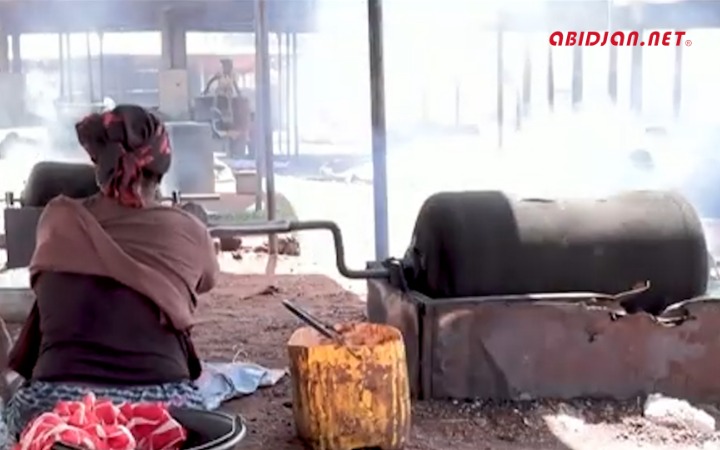
Côte d’Ivoire sets shea nut almond price at 250 FCFA per kilogram
The Ministry of Trade and Industry has officially announced a fixed purchase price for shea nut almonds at 250 FCFA per kilogram. This decision aims to stabilize the local market and support producers across Côte d’Ivoire.
Impact on local producers
The price adjustment is expected to benefit thousands of small-scale farmers who rely on shea nut harvesting as a primary income source. By guaranteeing a minimum price, the government seeks to encourage sustainable production while ensuring fair remuneration for workers in the sector.
Shea butter remains one of Côte d’Ivoire’s most valuable non-oil exports, with demand steadily rising in both regional and international markets. The fixed price is also seen as a strategic move to align with global pricing trends while protecting local industry from price fluctuations.
Market reactions and future outlook
Local cooperatives and traders have welcomed the announcement, highlighting that consistent pricing will help them plan investments and secure financing for expansion. Some industry analysts suggest this could pave the way for increased processing capacity, boosting value addition within the country.
While the new price applies nationwide, regional variations may still occur based on transportation costs and seasonal availability. Authorities have assured continuous monitoring to ensure compliance and address any market disruptions promptly.
Government commitment to agricultural sectors
This pricing policy reflects Côte d’Ivoire’s broader strategy to strengthen agricultural value chains. In recent years, the government has implemented several measures to modernize farming techniques, improve access to credit, and enhance export competitiveness. The shea nut sector, in particular, has been identified as a key driver for rural economic growth.
With this latest initiative, Côte d’Ivoire reaffirms its position as a leading producer of shea products in West Africa, reinforcing trade partnerships and economic resilience in the region.