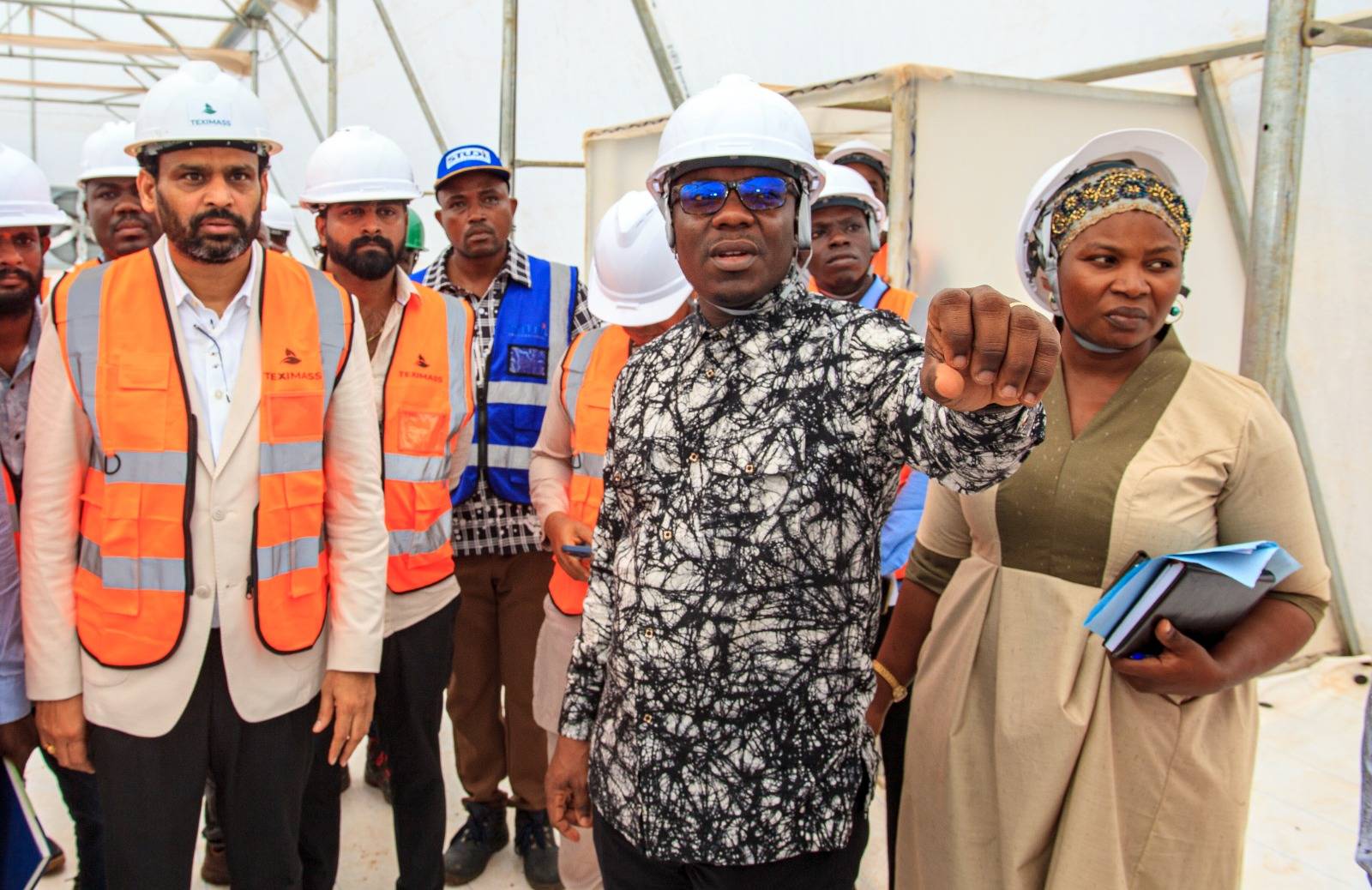
The government of Bénin, under the leadership of President Romuald Wadagni, is spearheading a groundbreaking transformation in its agricultural export sector. Two strategic initiatives—a state-of-the-art vitroplant production facility in Glo-Djigbé and a cutting-edge fruit terminal at Cotonou International Airport—are setting new benchmarks for quality, efficiency, and economic resilience.
a bold shift toward high-value agricultural exports
For generations, Bénin’s economy has relied on agriculture, but traditional practices—characterized by low-quality, unstandardized produce and inefficient post-harvest logistics—have long hindered its global competitiveness. Today, a decisive pivot is underway. The focus is no longer merely on quantity but on end-to-end mastery of the value chain, from seed to shelf, to capture maximum value and meet stringent international standards.
By prioritizing high-demand exports such as pineapple, cashew nuts, and mangoes, Bénin is tapping into lucrative global markets that demand premium quality. The economic dividends are clear: higher export revenues, stable incomes for local farmers, and the creation of skilled jobs in advanced agro-industrial and logistics hubs. This transformation is backed by the Programme d’Appui à la Compétitivité des Filières Agricoles et à la Diversification des Exportations (PACOFIDE), which is steering the country from subsistence farming toward a competitive, industrialized agricultural sector.
Glo-Djigbé: the seed revolution at the heart of agricultural change
At the core of this agricultural renaissance lies the Special Economic Zone (SEZ) of Glo-Djigbé, home to an industrial-scale vitroplant production unit nearing completion. With an annual capacity of 13.5 million vitroplants, this facility is set to redefine farming in Bénin.
According to Minister Adin Yeton Bloukounon Goubalan of Agriculture, Livestock, and Fisheries, technological control over seed production is non-negotiable for agricultural success: “In every agricultural powerhouse, seed technology is the backbone of sectoral transformation. A nation cannot achieve agricultural revolution without owning its seed industry.”
The benefits are immediate and far-reaching:
- For farmers: Access to disease-resistant, high-yield, and uniformly standardized plants—eliminating the unpredictability of traditional seeds that once undermined harvests.
- For trade: Higher yields per hectare without expanding cultivated land, optimizing production costs and strengthening Bénin’s position against regional competitors.
To ensure this technological leap is sustainable, the government is developing 1,000 hectares on the former Glo-Djigbé airport site into elite demonstration fields. These will serve as open-air laboratories to multiply and validate the performance of new pineapple vitroplants before mass distribution—ensuring farmers receive maximum return on investment.
Cotonou’s fruit terminal: securing fresh produce from farm to flight
Producing top-quality fruits is only half the battle; ensuring they reach distant markets in pristine condition is equally critical. That’s where the newly constructed fruit terminal at Cotonou International Airport comes into play—a strategic investment designed to prevent post-harvest losses and elevate export standards.
This modern facility is equipped with cold storage chambers, refrigerated holding areas, freezers, and dedicated customs zones, enabling simultaneous handling of up to 736 pallets of fresh produce. By maintaining the cold chain from field to aircraft, Bénin drastically reduces spoilage rates. Pineapples, sugar loaf varieties, and fresh produce will arrive in European and Asian markets fresher than ever, commanding premium prices and reinforcing Bénin’s reputation as a reliable supplier.
a vision backed by results on the ground
During a recent oversight visit on July 3, Minister Bloukounon Goubalan confirmed that both projects are on track, praising the quality and progress of the infrastructure. He emphasized the government’s commitment to economic sovereignty: “Seeds are the foundation of production. By mastering seed technology, we enhance our competitiveness and take control of our agricultural future.”
This integrated strategy—merging scientific research with advanced logistics—addresses structural gaps that have long constrained Bénin’s agricultural potential. It also signals to private investors and international partners that Bénin is no longer just a source of raw materials but a sophisticated, reliable agro-industrial partner.
By linking the high-tech innovation of Glo-Djigbé with the logistical precision of Cotonou’s fruit terminal, the government is not merely boosting export volumes—it is laying the groundwork for a resilient, value-driven agricultural economy. The goal is clear: ensure that the wealth generated by the land remains within national borders, empowering local actors and securing Bénin’s place on the global stage. The green revolution has begun—and it is built on science, infrastructure, and ambition.