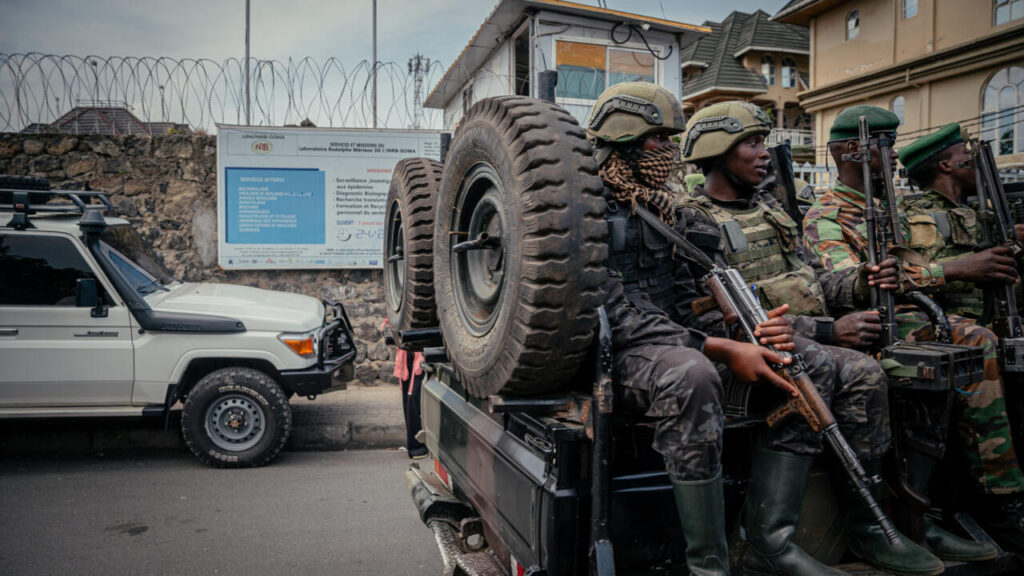
Congo crisis: expelled officer halts ceasefire verification
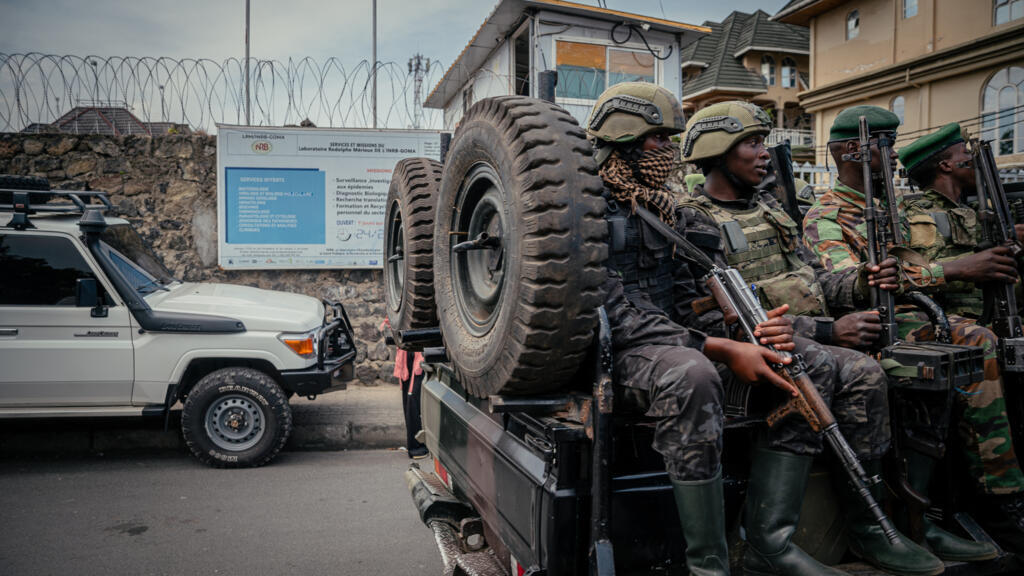
Nearly four months after its creation in Montreux, the expanded joint ceasefire verification mechanism (MCVE+) intended to monitor compliance with the truce between Kinshasa and the AFC/M23 has yet to commence operations. The delay stems from the expulsion of one of three Congolese officers deployed in mid-July to Goma to represent the FARDC within the system. The AFC/M23 accuses the officer of previously serving in military intelligence. What arguments do Congolese authorities present in response? How is this impasse affecting the situation on the ground?
Origins of the crisis
Established to reinforce trust between conflicting parties, the MCVE+ was designed as a neutral platform to verify adherence to the ceasefire terms agreed upon by Kinshasa and the AFC/M23. The mechanism relied on the participation of military representatives from both sides to ensure transparency and accountability. However, the sudden expulsion of a key Congolese officer has thrown the entire verification process into disarray.
Expulsion and its implications
The AFC/M23 justified the expulsion by alleging that the officer had links to military intelligence—a claim Kinshasa vehemently denies. The removal of this officer has left the MCVE+ with only two Congolese representatives, effectively paralyzing its ability to function. Without a full complement of personnel, the verification mechanism cannot conduct its mandated assessments or report on ceasefire violations.
Kinshasa’s defense
Congolese authorities have dismissed the allegations against the expelled officer, describing them as baseless and politically motivated. They argue that the expulsion undermines the integrity of the MCVE+ and threatens the fragile peace process. Officials emphasize that the officer’s credentials and role were fully vetted before deployment, making the accusations unfounded.
Impact on the ground
The paralysis of the verification mechanism has raised concerns among local communities and international observers. Without an operational MCVE+, monitoring ceasefire violations becomes nearly impossible, increasing the risk of renewed hostilities. Civilians in conflict-affected areas, particularly in North and South Kivu, remain vulnerable to violence and displacement as tensions persist.
Path forward
The situation underscores the urgent need for both parties to recommit to the peace process and resolve the impasse. Restoring the MCVE+ to full functionality will require addressing the underlying suspicions and ensuring that all representatives can operate without interference. Until then, the future of the ceasefire—and the safety of civilians—hangs in the balance.
You may also like
Niger’s August mutiny: the fallout, the unanswered questions, and what lies ahead
What Benin’s AirBadminton gold over Mauritius really changes for the sport
Benin’s CCI budget for 2027 sparks debate: what the 6.6 billion FCFA plan means for businesses
Bambali agro park: what the launch means for Sédhiou and Senegal
Senegal’s palm oil deal with Indonesia: reactions, debate and what happens next