CNSA initiative sparks hope for political prisoners in DRC ahead of talks
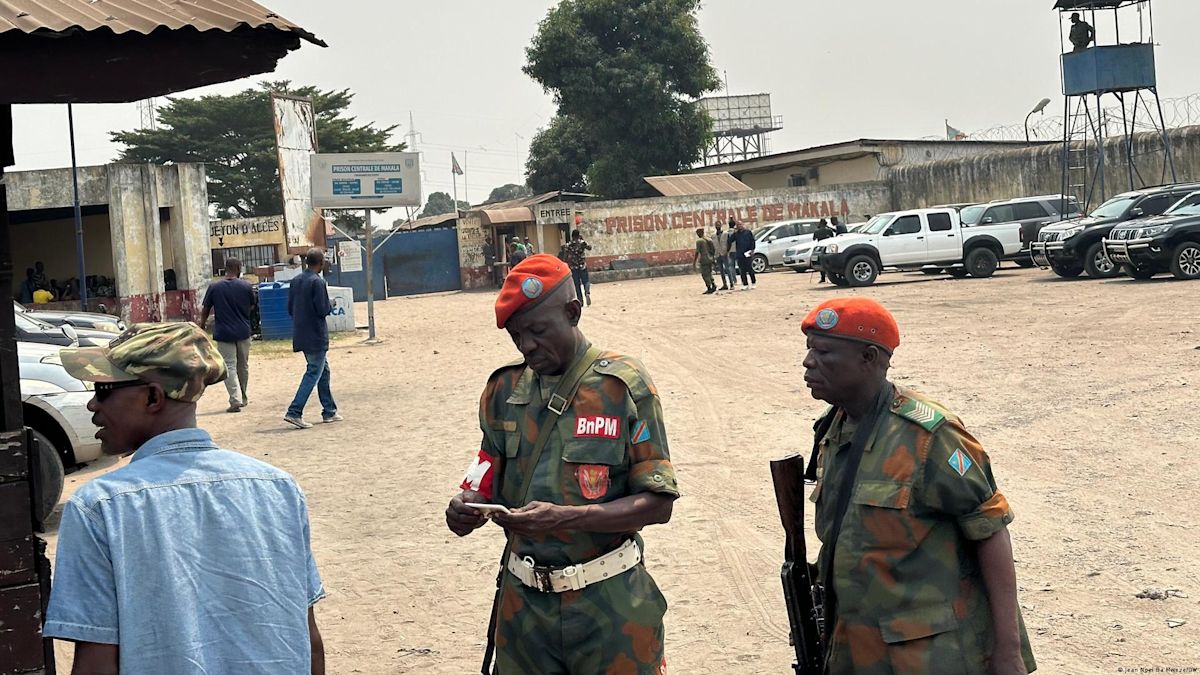
In the Democratic Republic of Congo (DRC), a week after the launch of the census of political and opinion prisoners, the National Oversight Council for the Accord and Electoral Process, CNSA, emphasizes that this initiative applies to all eligible individuals. The council underscores a fundamental principle: justice must be blind.
The initiative aims to support de-escalation measures that the CNSA views as essential before an inclusive national dialogue can take place. The council intends to compile a comprehensive list to be submitted to President Félix Tshisekedi, enabling him to take decisive action ahead of the anticipated dialogue among Congolese stakeholders.
Justice without distinction
The CNSA has established clear criteria for reviewing the cases of individuals whose names may appear on its list, with a potential amnesty in sight for those deemed eligible.
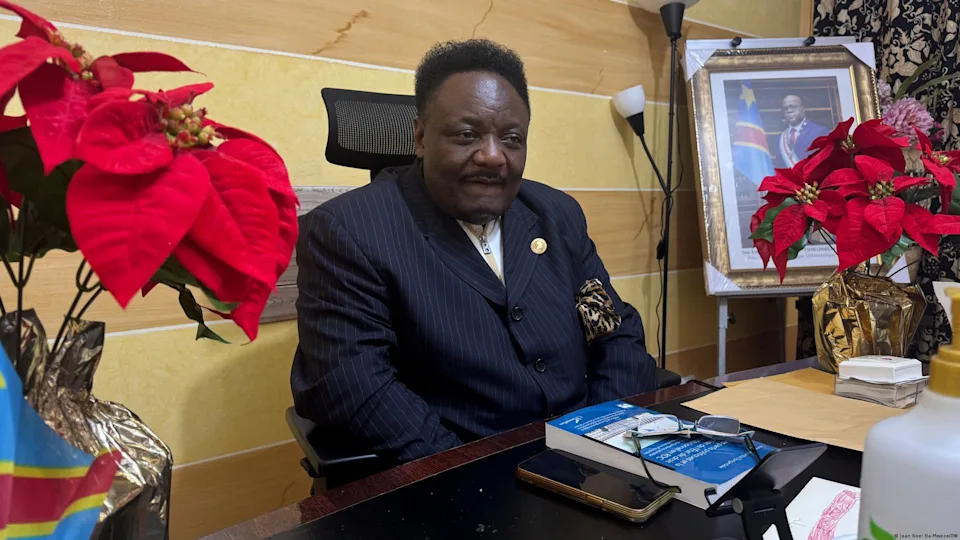
“Justice knows no color,” states Joseph Olenghankoy, president of the CNSA. He highlights a critical issue: “According to available information, some detainees have been held for nearly six months without being brought before a judge. This violates their fundamental rights. Our role is to present these concerns to the relevant authorities to secure their release and pave the way for meaningful dialogue among Congolese citizens.”
PPRD welcomes the initiative
The political family of Aubin Minaku and Emmanuel Ramazani Shadary, prominent figures in the People’s Party for Reconstruction and Democracy (PPRD), has warmly welcomed the CNSA’s move.
“If this initiative leads to the release of our detained comrades, we can only commend it,” says Lucain Kasongo, a PPRD cadre. “Any effort aimed at securing the freedom of our leaders—Aubin Minaku, Emmanuel Ramazani Shadary, Dunia Kilanga, Parole Kamizelo, and others—deserves our full support.”
The CNSA’s efforts resonate with human rights organizations like Justicia ASBL, which recently submitted a list of over 100 individuals considered political or opinion prisoners to the Minister of Justice.
Death sentences complicate the path to dialogue
The situation is further complicated by high-profile cases, including death sentences handed down to former President Joseph Kabila and Corneille Nangaa, coordinator of the M23 rebellion. Timothée Mbuya, coordinator of Justicia ASBL, argues that these sentences should be overturned to foster trust. “A political decision must be made to annul these convictions, particularly for Joseph Kabila and Corneille Nangaa,” he asserts. “This is crucial for building the political trust necessary to establish an inclusive dialogue.”
As calls for an inclusive dialogue grow louder across the DRC, all eyes are now on the CNSA’s initiative to determine whether it will translate into concrete de-escalation measures.