Unprecedented clash in Miski sparks fears over Tibesti’s fragile truce
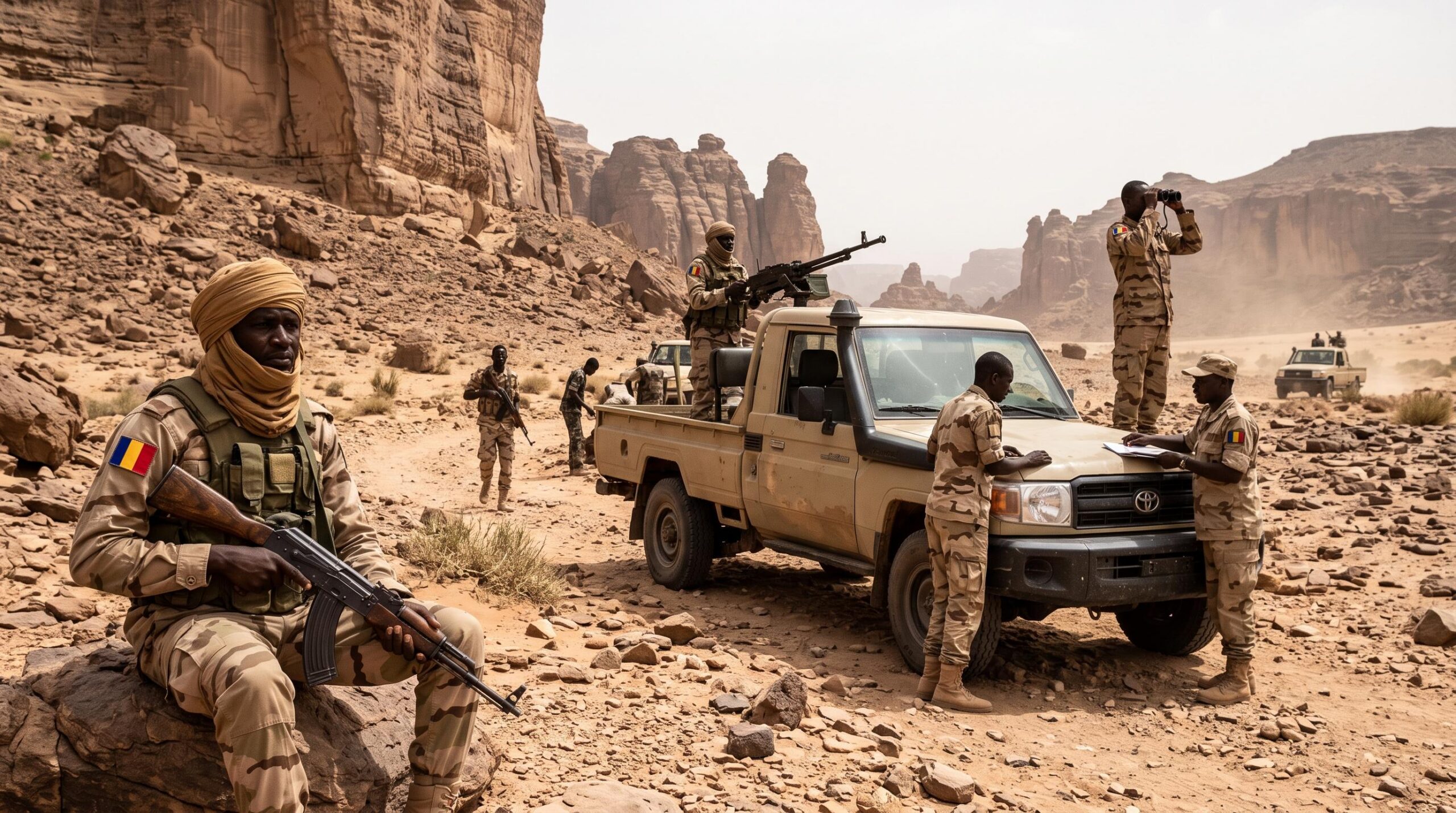
MISKI, October 15, 2026 — Violent confrontations erupted on October 14 between the Mining Brigade and the local Self-Defense Committee in Miski, northern Chad. According to an official statement from the General Staff of the Armed Forces, two officers were killed and nine security personnel wounded. The clash has reignited long-standing tensions over control of the region’s lucrative gold deposits, threatening to unravel years of painstaking peace efforts.
What triggered the deadly exchange?
While the firefight is confirmed to have begun around 5:00 PM local time near the Awa mining zone, the exact sequence of events remains unclear. Military authorities have accused the Self-Defense Committee of initiating the attack, demanding its immediate disarmament and labeling the incident a breach of peace accords. Without independent verification, these claims reflect only the military’s official position, leaving crucial questions unanswered.
Competing narratives in a tense environment
Tensions had already been simmering. On October 13, reports surfaced of heavy weapons fire allegedly discharged by the Mining Brigade, prompting the Self-Defense Committee to condemn the provocations as violations of the ceasefire. The group also alleged illegal gold extraction and unauthorized military presence in the area, calling on government mediators to intervene. The conflicting accounts highlight a dangerous divide between local protection forces and state security apparatuses.
Peace accords hanging by a thread
The latest violence casts a shadow over the Tibesti region’s fragile stabilization process. The Self-Defense Committee insists it is upholding the April 20, 2025 peace agreement and commitments made during a high-level government delegation visit on October 3, 2026. However, military commanders counter that the militia’s actions constitute a blatant violation of these very terms. At the heart of the dispute lies economic control over the goldfields and the strained coexistence between indigenous communities and deployed security forces.
Civilian toll yet unknown, but risks loom large
As of now, no independent assessment has been made regarding civilian casualties or displaced persons. Yet, the ripple effects of this instability are already being felt by residents across Miski and surrounding areas. The path to reconciliation will depend on both sides’ willingness to prioritize dialogue, conduct transparent investigations, and honor their mutual pledges to prevent further military escalation.
Will Chad’s Tibesti goldfields become the next flashpoint?
With the region’s economic stability and hard-won peace at stake, the October 14 clash in Miski raises a critical question: can local militias and state forces find a way forward, or will the lure of gold and competing interests plunge the Tibesti back into chaos? The coming days will reveal whether Chad’s peace process can withstand this latest test—or if the goldfields will once again become a battleground.