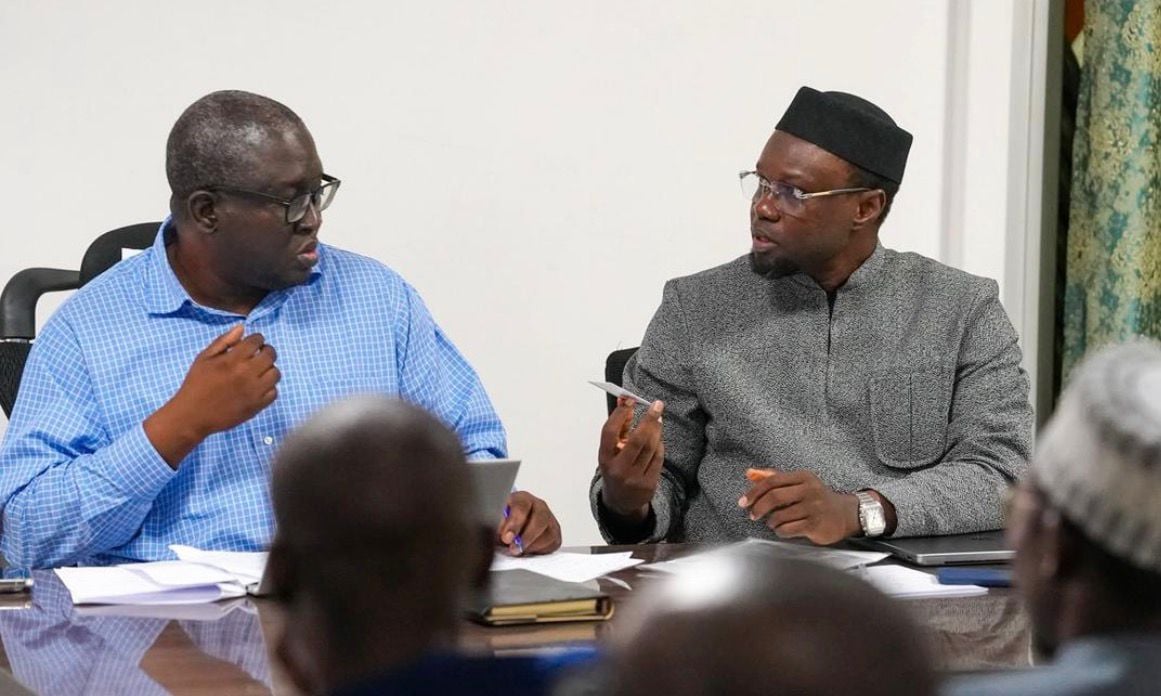
The political landscape in Senegal is heating up as the 2026 congress of the Pastef party approaches. At the center of the debate is a critical question: Can Ousmane Sonko still lead the party given the constraints of Article 17?
As legal experts weigh in on the implications of this constitutional clause, the political stakes could not be higher. The outcome of this internal struggle may redefine the future direction of one of Senegal‘s most influential opposition movements.
Legal hurdles and political fallout
The debate surrounding Article 17 has cast a shadow over Ousmane Sonko’s eligibility to continue as leader of the Pastef. This provision, which imposes strict conditions on political leadership, has become a focal point for both supporters and critics of the party.
Legal analysts argue that the interpretation of Article 17 could either pave the way for Sonko’s continued leadership or force a leadership transition. The ambiguity of the clause has led to intense discussions among constitutional scholars, who highlight the need for clarity to avoid potential crises.
Key considerations for the Pastef congress
With the 2026 congress looming, the Pastef party faces a pivotal moment. The decisions made in the coming months will determine whether Ousmane Sonko remains at the helm or whether the party must navigate a transition period. Internal factions have already begun to mobilize, each advocating for a different path forward.
For supporters of Sonko, the challenge is to demonstrate that his leadership aligns with the spirit of Article 17, despite its restrictive language. Meanwhile, critics within the party are calling for a more inclusive approach, suggesting that new leadership could strengthen the party’s appeal ahead of future elections.
Nationwide implications
The outcome of this internal debate extends beyond the confines of the Pastef party. Senegal‘s political dynamics are closely tied to the decisions made within opposition circles, and the ramifications of this leadership question could ripple across the country.
As the congress approaches, all eyes are on the party’s ability to unite under a clear vision. The choices made today will shape the political landscape of Senegal in the years to come, influencing everything from policy agendas to electoral strategies.