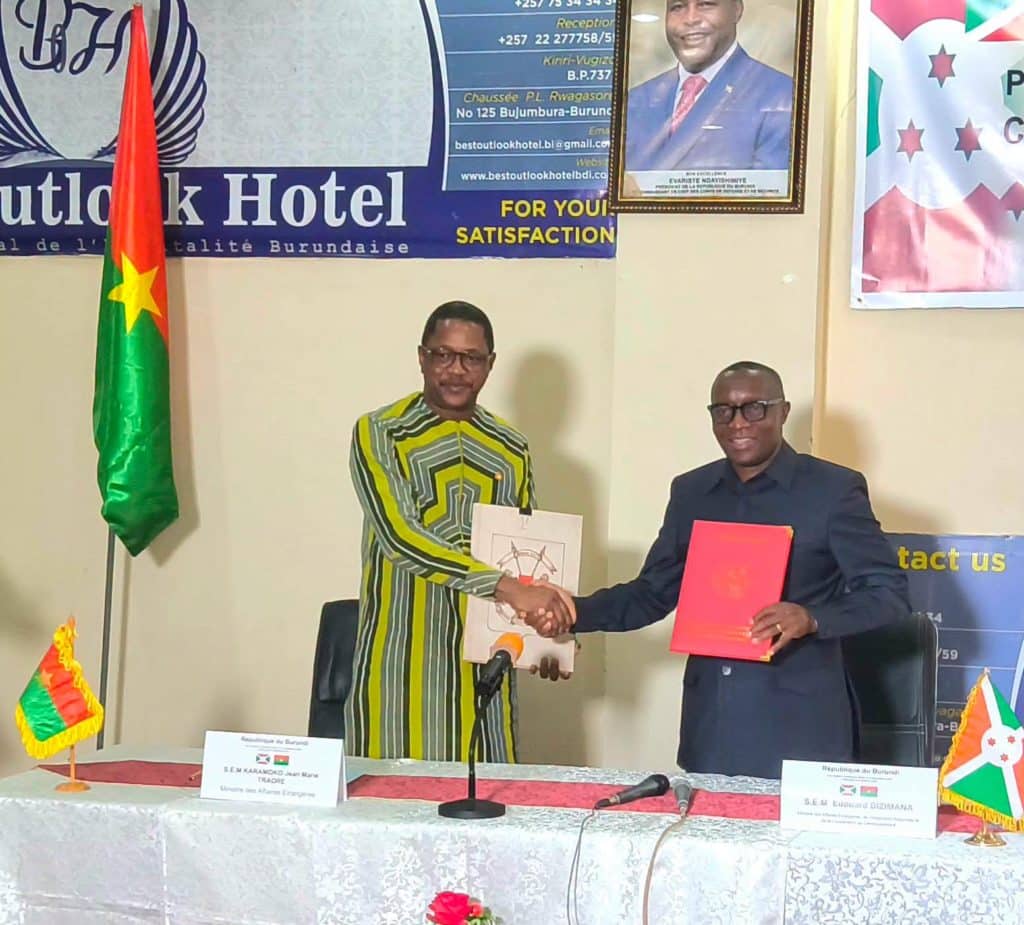
The inaugural session of the Burkina Faso-Burundi Joint Cooperation Commission concluded in Bujumbura, delivering a landmark set of 14 agreements designed to deepen bilateral relations between the two nations.
Following days of intensive negotiations, experts from both countries finalized legal instruments spanning key development sectors. The agreements were formally signed by the foreign ministers of Burkina Faso and Burundi during the closing ceremony.
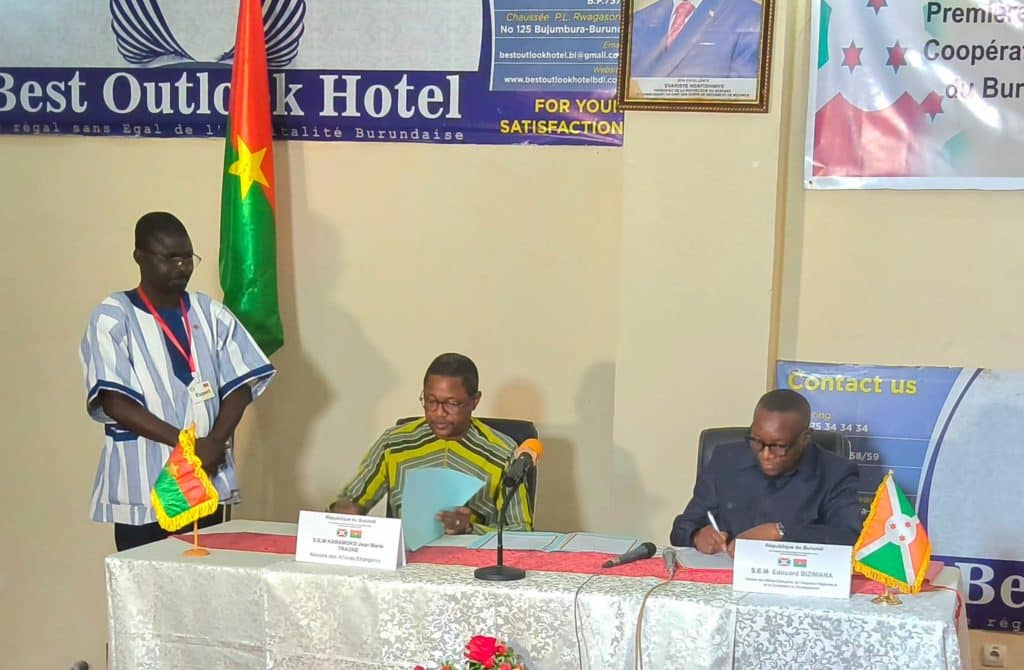
Strategic sectors covered by the new agreements
The new framework addresses critical areas including agriculture, livestock, security, civil protection, aviation services, health, employment, labor, and social protection. Cooperation also extends to youth development, sports, and leisure activities.
Among the most significant breakthroughs is the mutual visa waiver agreement for holders of diplomatic, service, and ordinary passports between the two countries.
Additional accords focus on disaster risk prevention and management, technical and vocational education, higher education and research, and reciprocal recognition of national driver’s licenses.
Strengthening South-South collaboration
The commission’s work reflects nearly three decades of diplomatic ties, with both nations now poised to convert political commitments into practical benefits for their citizens.
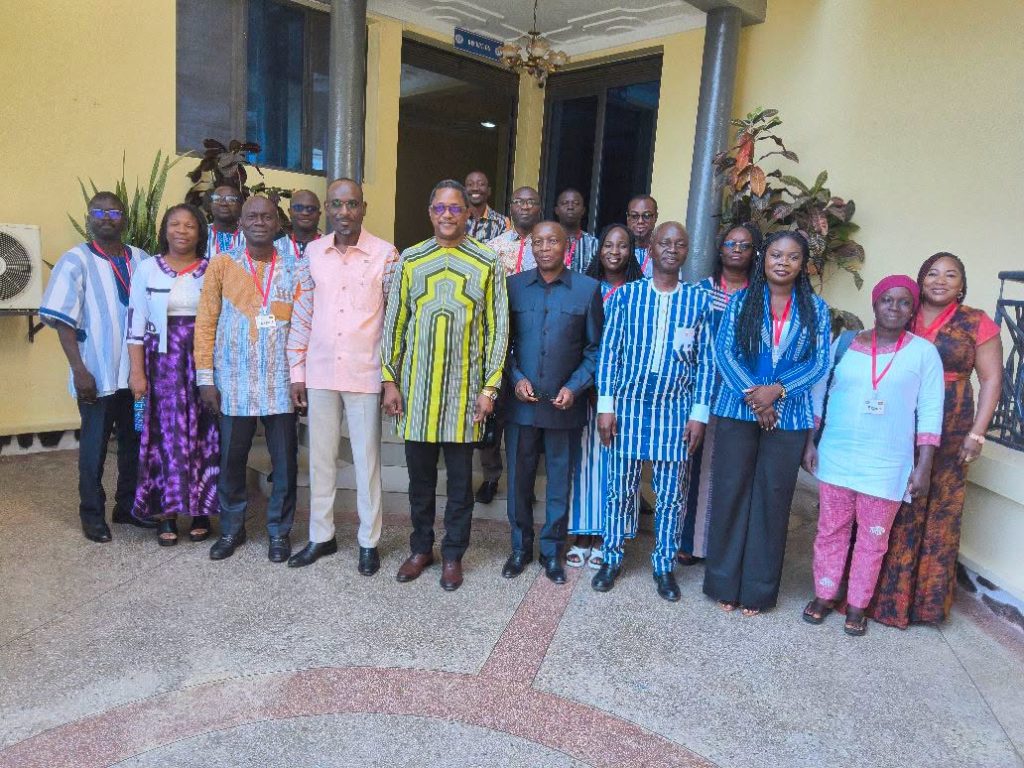
The Burkinabè foreign minister, Karamoko Jean Marie Traoré, emphasized the need for swift implementation of the signed agreements:
From agreement to action
« Today’s signings mark the beginning of a journey, not its end. We must persistently translate these legal instruments into tangible programs that deliver real value to our people. »
He stressed that the commission’s role is to convert high-level political directives into concrete projects and measurable outcomes for both populations.
The Burundian foreign minister, Édouard Bizimana, advocated for enhanced South-South economic exchanges, urging stronger ties between private sectors in Burkina Faso and Burundi. He highlighted the need to boost reciprocal investments, facilitate the movement of goods and services, and create economic opportunities that benefit both nations.
Vision for a model partnership
This joint commission aligns with the strategic vision shared by Burkina Faso’s President Ibrahim Traoré and Burundi’s President Évariste Ndayishimiye, who aim to set an example of effective South-South cooperation rooted in regional integration, mutual trust, and sustainable peace.
To ensure accountability, both countries agreed to establish sector-specific committees tasked with monitoring the implementation of the new accords.
You may also like
Jailing of lawyer Lirwana in Niger: the real-world toll on citizens, businesses and the economy
What Benin’s €500 million financing deal means for households, businesses and the economy
Burkina Faso: how four years under Ibrahim Traoré reshaped the lives of millions
What the Bucharest resolutions mean for Benin’s workers, businesses and public finances
Niger’s UN sovereignty show: the SOMAÏR and SONIDEP collapse hitting every household