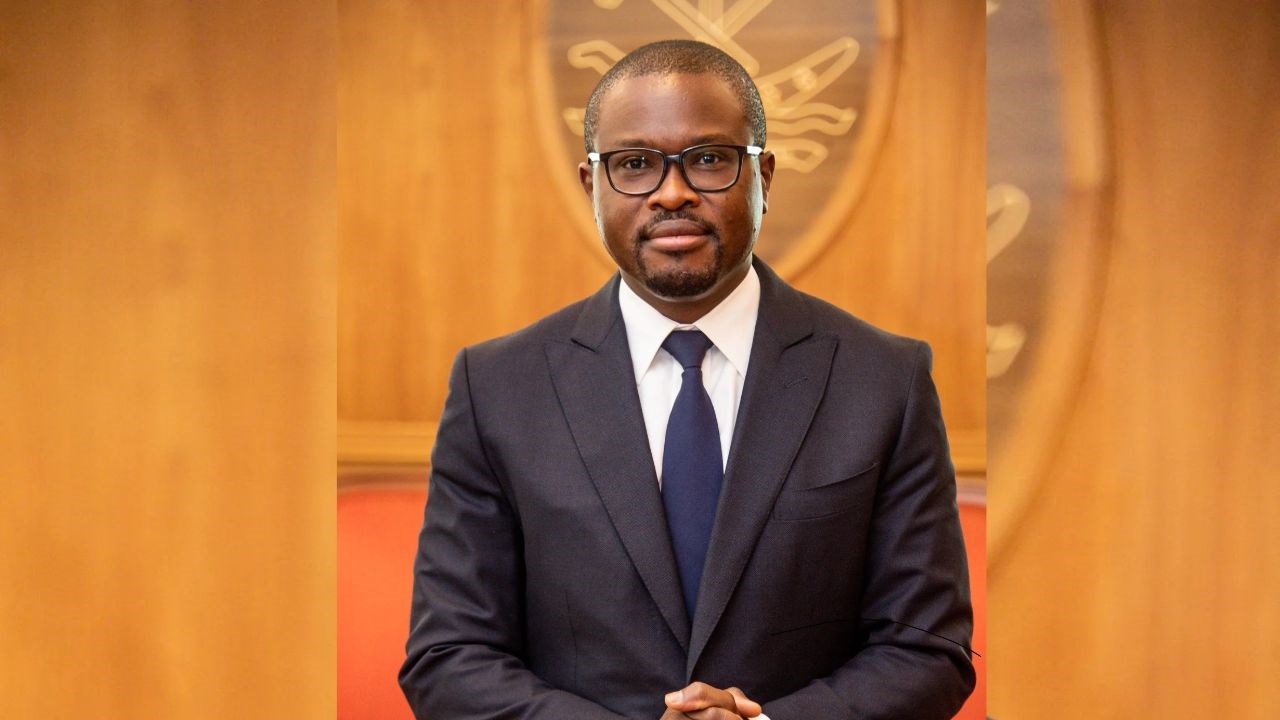
Following his inauguration, Benin’s newly elected President Romuald Wadagni, who succeeded Patrice Talon, convened his inaugural Council of Ministers just days into his seven-year term. Held on May 28, 2026, this first official meeting set the tone for his administration’s priorities, values, and long-term vision for the 2026–2033 period.
Two core objectives emerged as the pillars of Wadagni’s presidency. The first is the eradication of extreme poverty and the narrowing of development disparities between Benin’s municipalities. The President emphasized the need for a more ambitious regional development strategy, ensuring that underserved and remote areas gradually catch up with urban centers. The second priority is national security, a critical concern given the ongoing regional instability. Wadagni directed his government to prioritize defense and territorial protection without compromise.
Governance Reinvented: A Structured Approach to Leadership
President Wadagni introduced a streamlined governance framework to enhance efficiency and accountability. The Council of Ministers will now convene monthly on the first Wednesday, while the Interministerial Committee will meet twice a month—on the first and third Mondays. Complementing these sessions, thematic Cabinet Councils will address sector-specific policies, ensuring consistent monitoring and execution of government initiatives. This structured agenda reflects a commitment to disciplined, results-driven leadership.
In closing the meeting, President Wadagni urged his cabinet to “roll up their sleeves and work with determination,” stressing that the quality of governance will directly shape the living conditions of the people. This inaugural session laid the groundwork for a presidency focused on tangible outcomes, equitable territorial development, and national unity—ambitious goals for Benin’s future.