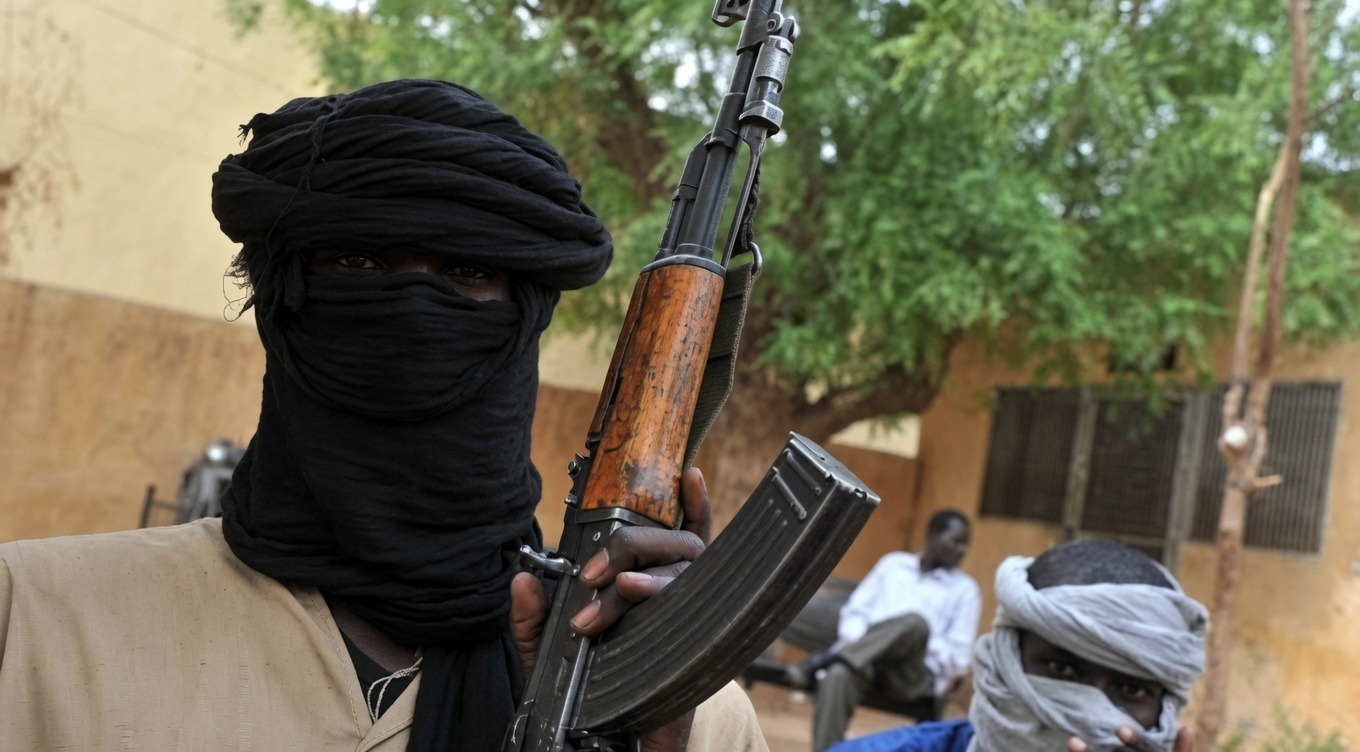
The ongoing jihadist blockade strangling Bamako since late April is casting a long shadow over Tabaski 2026 preparations, turning what should be a joyous celebration into a logistical nightmare for hundreds of thousands of Malian households. The Group for the Support of Islam and Muslims (JNIM), an al-Qaeda-linked Sahelian katiba, has systematically severed the capital’s critical supply arteries, crippling the delivery of livestock, food staples, and fuel ahead of one of the most significant religious holidays in the Sahel calendar. Scheduled for Wednesday, May 27, this year’s Aïd al-Kebir arrives against an unprecedented backdrop of hardship in Bamako.
Jihadist blockade cripples supply routes into Bamako
For weeks, JNIM fighters have methodically targeted commercial convoys traveling from Bamako to the agricultural regions of the south and west, as well as key border crossings with Côte d’Ivoire, Senegal, and Mauritania. Dozens of trucks have been torched along the capital’s main arterial routes, deterring transporters and merchants from risking the journey without armed escorts. While Malian security forces occasionally accompany priority deliveries, the blockade remains far from airtight—yet the frequency of shipments has plummeted.
This economic strangulation marks a tactical shift for JNIM, which had long confined its operations to rural strongholds in central and northern Mali. By pivoting to disrupt Bamako’s logistics, the group is now directly undermining urban purchasing power and the transitional government’s ability to uphold free movement—a core expectation of Malians.
Tabaski’s sacrificial lamb: a barometer of economic strain
The contrast on Bamako’s livestock markets is stark. Pens sit nearly empty, as herders from the Sahel’s central belt or regions like Kayes and Koulikoro steer clear of the perilous journey. Prices have surged, pricing out an increasing number of families. For many Bamakois, the only path to participation lies in informal credit or collective pooling among relatives.
The crisis extends beyond livestock. Essential holiday staples—oil, sugar, and traditional seasonings—have also seen steep price hikes. This inflation compounds the hardship faced by households already reeling from years of regional sanctions, the withdrawal of Western partners, and budgetary reallocations toward military priorities. Lower-income families, the backbone of Bamako’s urban fabric, are coping by slashing purchases, sharing costs, or forgoing festive expenditures altogether.
Power cuts and daily fragility
Compounding the food crisis, chronic electricity shortages are exacerbating Tabaski’s challenges. Énergie du Mali (EDM-SA), bogged down by fuel access issues and aging infrastructure, has intensified scheduled blackouts. Outages lasting hours—sometimes half a day or more—are disrupting meat preservation post-sacrifice, crippling neighborhood shops, and straining the social fabric of a holiday traditionally defined by family gatherings and communal sharing.
Fuel—a lifeline for transport, deliveries, and backup generators in businesses and hospitals—has become a scarcer commodity. Parallel market prices have skyrocketed, queues at gas stations stretch for miles, and supply chain interruptions ripple through every sector. Authorities, acutely aware of the risk of unrest, have issued reassurances but lack the means to swiftly resolve these bottlenecks.
Tabaski as a political litmus test for Mali’s transition
For Mali’s transitional leaders, Tabaski 2026 is a test of credibility. Securing even the most critical import corridors has become a matter of national sovereignty and social stability. Regional observers note that JNIM’s economic asphyxiation strategy mirrors tactics deployed in neighboring Burkina Faso, where secondary cities like Djibo have endured similar blockades for months.
Come celebration day, Bamako will bear little resemblance to past festivities. Beyond its religious significance, Tabaski will serve as a barometer of the capital’s resilience against asymmetric warfare. The markets, fuel stations, and dinner tables will reveal whether Mali’s urban heart can withstand the pressure—or if the jihadist siege will leave an indelible mark on the holiday’s spirit.