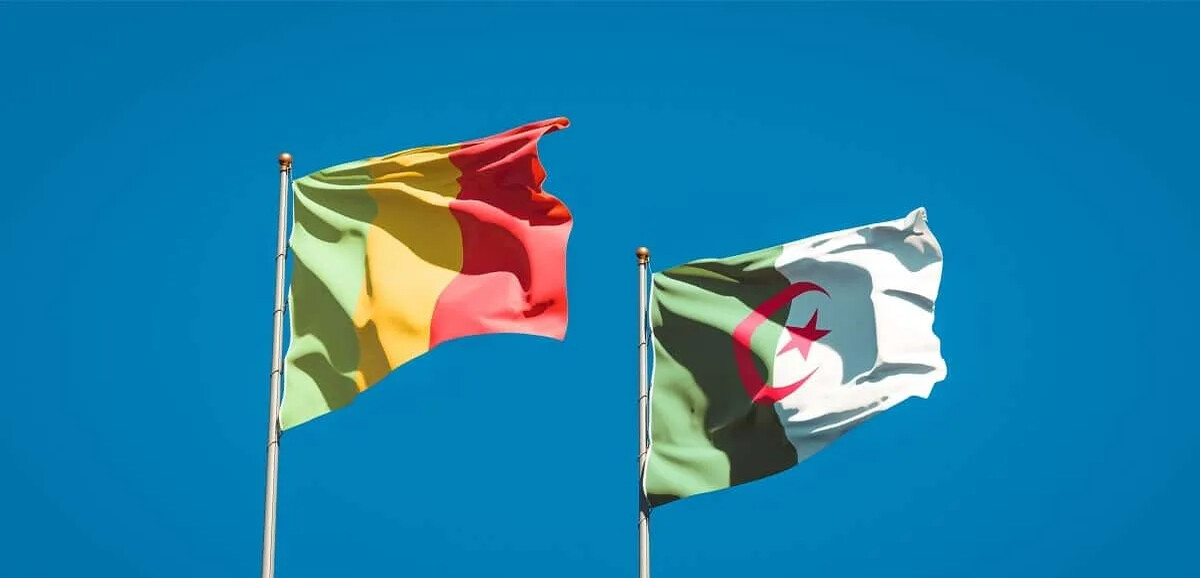
Algeria and Mali restore diplomatic ties and reopen airspaces
After fifteen months of strained relations, Algeria and Mali have taken a decisive step toward reconciliation.
The two neighboring countries announced the reciprocal reopening of their airspaces to both civilian and military flights. In a parallel move, Bamako confirmed the return of its ambassador to Algiers, who was recalled in April 2025. For its part, Algeria also decided to restore its diplomatic presence in Mali by reinstating its ambassador in Bamako. This landmark decision signals the end of a prolonged period of diplomatic tension between the two states.
From crisis to détente: fifteen months of diplomatic standstill
Alger and Bamako have officially restored mutual airspace access for all flights, ending a critical disruption in regional connectivity. Mali’s envoy, recalled to Bamako in April 2025, has now resumed duties in Algiers. Similarly, Algeria’s ambassador to Mali, withdrawn during the height of tensions, is returning to Bamako. These coordinated moves bring to a close fifteen months of diplomatic estrangement between the two nations.
The drone incident that ignited the conflict
The rupture in relations traces back to April 2025, when a Malian military drone was shot down near the shared border. Algeria claimed the aircraft had breached its airspace, a narrative Bamako strongly disputed, asserting the drone remained entirely within Malian territory. The disagreement escalated rapidly, prompting the recall of ambassadors, airspace closures, and a wave of mutual accusations—particularly with countries forming the Alliance of Sahel States (AES).
Ongoing disagreements amid shared strategic interests
Beyond the drone incident, Algeria and Mali have faced persistent friction since Mali’s military leadership assumed power in 2020 and 2021. Bamako has repeatedly accused Algiers of interference, pointing to Algeria’s historical role in the 2015 peace accord between Mali’s government and northern armed groups. Tensions further intensified when Mali publicly endorsed Morocco’s autonomy plan for Western Sahara—a stance diametrically opposed to Algeria’s position. Despite these fundamental differences, the two countries remain bound by a long shared border and pressing security challenges, particularly the ongoing threat posed by jihadist groups across the Sahel.