
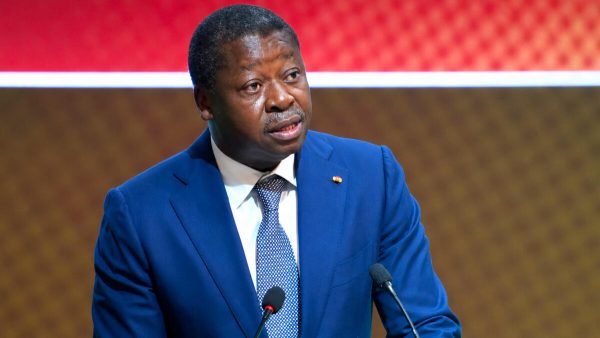
The message was unambiguous and urgent. At the opening of the third edition of the pan-African forum Biashara Afrika in Lomé on May 18, 2026, Togolese President Faure Essozimna Gnassingbé made a compelling case for Africa to prioritize tangible economic outcomes over political ambitions. His call resonated deeply with continental leaders, urging them to transition from rhetoric to action to drive sustainable growth and deeper integration.
Lomé solidified its reputation as a hub for pragmatic African commerce during this pivotal gathering. The capital city became the epicenter for policymakers, business leaders, and economic stakeholders convening for the third edition of Biashara Afrika. Jointly organized by the African Continental Free Trade Area (AfCFTA) Secretariat and the Togolese government, this high-level forum focused on intra-African trade and investment, setting the stage for bold economic initiatives.
Togo leads by example in AfCFTA implementation
President Gnassingbé leveraged this platform to deliver a manifesto-style address, challenging Africa’s leaders with a decisive declaration: « The time for vision must become the time for results. » He underscored Africa’s historical moment, emphasizing the continent’s collective capacity to convert political aspirations into economic realities, leaving behind any lingering doubts about its potential.
The Togolese head of state highlighted his country’s strategic roadmap as a living laboratory for the AfCFTA’s success. With a prime geographical advantage, Togo is leveraging its infrastructure to become a cornerstone of the free trade zone:
- Enhanced regional connectivity to streamline trade corridors.
- A world-class logistics hub anchored by its deep-water port, unmatched in West Africa.
- Bold structural reforms consistently recognized across the continent for fostering a more business-friendly environment.
Through this model, Lomé aims to prove that African economic integration can yield immediate, tangible dividends when political will aligns with the needs of businesses.
AfCFTA’s monumental potential and persistent challenges
The AfCFTA represents a transformative economic project of unparalleled scale. Its ambitious vision encompasses:
The AfCFTA in numbers
- 55 signatory member states.
- A consumer base of 1.4 billion people.
- A combined GDP exceeding $3.4 trillion.
Yet, despite this immense potential, the continent’s trade remains stifled by systemic bottlenecks. Biashara Afrika 2026 zeroed in on critical priorities to dismantle these barriers, including:
- Eliminating non-tariff trade barriers.
- Addressing chronic infrastructure deficits.
- Facilitating greater access to financing.
- Revitalizing fragmented value chains.
- Integrating Small and Medium-sized Enterprises (SMEs) into cross-border trade flows.
Stakeholders emphasized that the AfCFTA’s credibility hinges on creating an inclusive environment where SMEs—often sidelined in traditional trade models—can thrive.
From pledges to action: the urgent call for AfCFTA execution
« We must move beyond intentions to deliver measurable results, » declared a Kenyan entrepreneur in attendance, echoing President Gnassingbé’s rallying cry. A Nigerian economist added, « The AfCFTA will only gain global trust if SMEs are at its core. » These sentiments reflect the growing impatience among economic actors for swift, inclusive implementation.
The forum in Lomé underscored a broader geopolitical shift: Africa’s determination to assert itself in global trade dynamics. The AfCFTA is seen as a strategic response to globalization challenges and escalating international trade tensions. The message was clear—Africa now possesses the legal frameworks, natural resources, and human capital to make the free trade area a reality. The challenge ahead is no longer about envisioning the future but executing it without delay.
You may also like
Le carnet de Malian relance l’enquête sur la migration clandestine au Sénégal
Mamadi Doumbouya de retour à Conakry après une visite d’État en Côte d’Ivoire
Elversberg vs Bayern Munich: kick-off time, tv channel and team news
Gabon : l’association Force ouvre un espace de propositions pour la rentrée
Dakar 2026 : Diomaye Faye confie la flamme olympique à la jeunesse sénégalaise