At the close of the 39th African Union summit, a bold declaration echoed through Addis Ababa: the continent’s leaders vowed to silence the guns and end unconstitutional power grabs. But in the aftermath of recent political upheavals, how realistic are these promises?
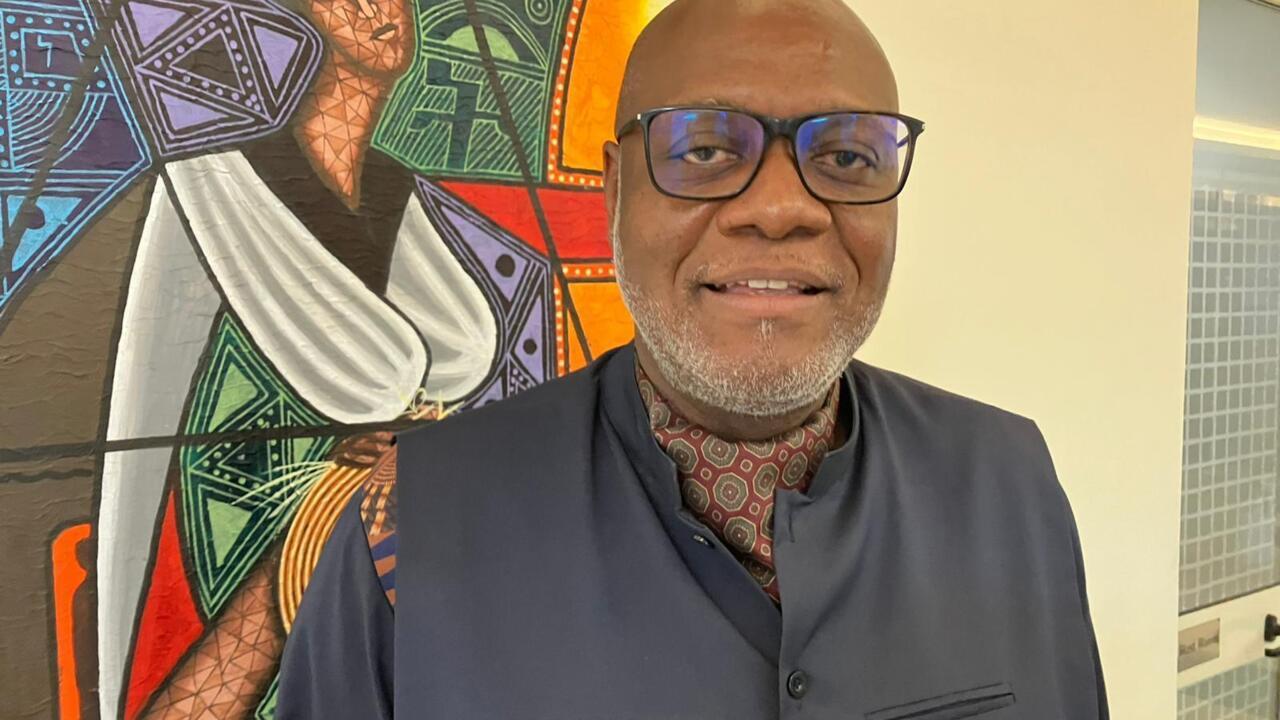
Paul-Simon Handy, a leading Cameroonian researcher and Regional Director for the Institute for Security Studies (ISS) in East Africa, shared his insights during a special Africa Midday segment. Speaking from the Ethiopian capital, he dissected the summit’s outcomes and raised a pointed question: Is it acceptable for orchestrators of coups to later claim democratic legitimacy through elections?
a continent divided on democratic principles
Handy, who was present at the summit, emphasized that while the silence the guns initiative reflects growing concern, its success hinges on consistent enforcement. He argued that allowing coup leaders to transition into elected leaders through questionable ballots undermines the very foundations of democracy. How can a system claim integrity when it rewards those who violently seized power with international recognition?
the summit’s stance: bold words or empty promises?
The African Union’s latest declaration signals a shift toward zero tolerance for unconstitutional regime changes. Yet, critics question whether this resolve will translate into action. Handy pointed out that past summits have produced similar pledges, only for some member states to backslide into political instability. The challenge, he noted, lies in balancing diplomatic pressure with regional stability—a delicate act that often leads to mixed results.
the road ahead: enforcement and accountability
To restore faith in its commitments, Handy suggested that the African Union must adopt stricter measures, including sanctions against coup perpetrators and their enablers. He stressed that elections held under military rule or under coercive conditions cannot be considered legitimate. Without accountability, the continent risks normalizing a dangerous precedent: that force, not ballots, determines political destiny.
The discussion underscores a critical moment for the African Union. Will it turn its declarations into action, or will the cycle of coups and flawed elections persist?