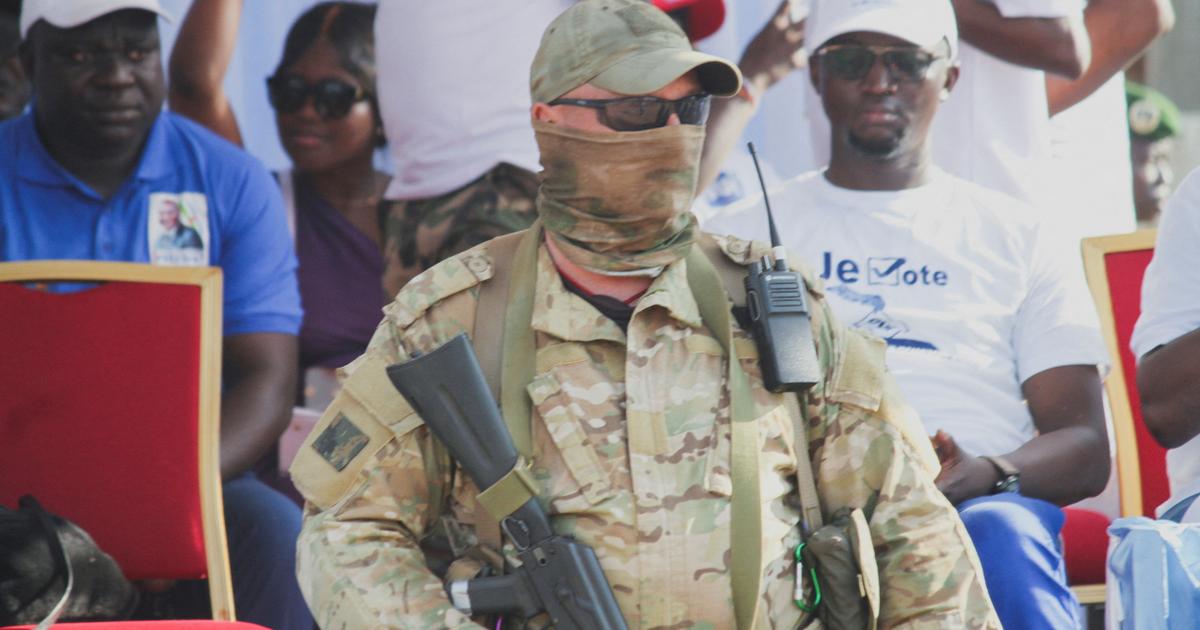
In the heart of Central Africa, the shadowy presence of the Russian mercenary group Wagner has evolved into an “empire of drugs”, with the illegal tramadol trade serving as its latest engine of growth. Once weakened by the death of its founder, Evgueni Prigojine, in 2023, the group has found a new lifeline in the Central African Republic, where it continues to wield significant influence despite global scrutiny.
The antalgic medication, originally prescribed for mild pain, has been repackaged and concentrated into a potent opioid, earning the nickname “poor man’s cocaine”. Its illicit distribution has become a cornerstone of Wagner’s operations in the region, with profits flowing back to the group’s coffers.
A strategic stronghold in the Central African Republic
The Central African Republic offers Wagner an ideal environment: minimal oversight from Western governments, abundant natural resources like gold, diamonds, and uranium, and a strategic position in the region. The group not only controls gold mining operations—generating an estimated $180 million (€160 million) in annual revenue, according to Global Initiative—but also extends its reach through the lucrative tramadol trade.
The drug, smuggled via river routes from the Democratic Republic of the Congo, floods local markets and is distributed by Wagner’s fighters. Its influence spans beyond borders, with the group supplying tramadol to elite presidential guards, pro-Russian militias like the ‘Sharks’, and even opposition protesters, allegedly to “bolster their courage in combat”.
Wagner’s grip on the country is further solidified by its control over key state institutions, as noted by the Center for Strategic Studies for Africa, funded by the Pentagon. This dominance allows the group to operate with near impunity, exploiting the country’s wealth while undermining local governance.
Expanding ambitions into neighboring regions
Experts warn that Wagner’s ambitions may soon extend into the Sudan, where its connections with the Rapid Support Forces (RSF) could facilitate a further expansion of its illicit networks. As the group continues to adapt, its role in Central Africa remains a growing concern for regional stability and international security.