Strengthening healthcare resilience: a $147 million boost for Burkina Faso
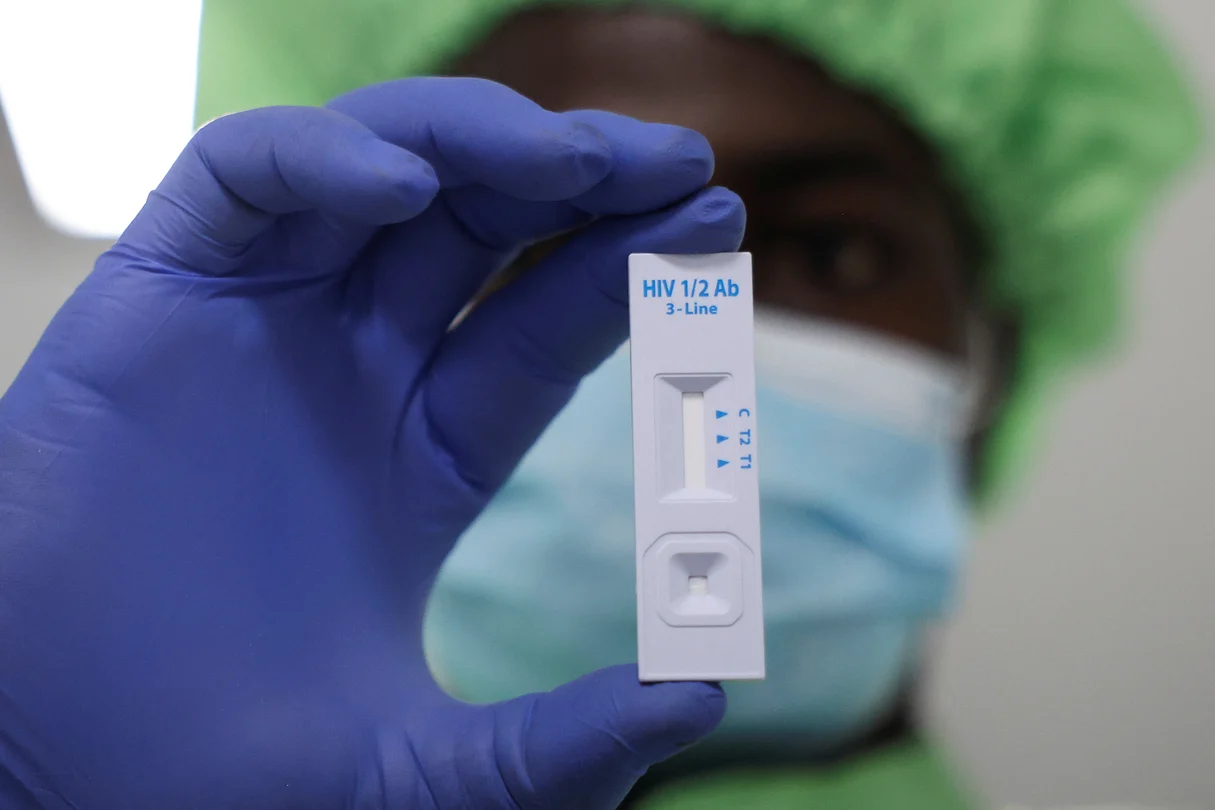
The U.S. Department of State has formalized a five-year bilateral agreement with Burkina Faso, injecting $147 million into the nation’s healthcare system. This landmark partnership aims to combat HIV/AIDS, malaria, and other infectious diseases while enhancing the country’s epidemiological surveillance and emergency response capabilities.
Local investment meets international support
Under the memorandum, Burkina Faso is committing $107 million of its own resources to healthcare, demonstrating a strong commitment to self-reliance and systemic improvement. The remaining $40 million from U.S. funding will target critical areas such as global health security.
The agreement allocates approximately $12 million to strengthen community health systems, digitize health data collection, and modernize laboratory networks to detect emerging pathogens swiftly. Additionally, long-standing programs addressing malaria, maternal health, and child survival will receive continued backing, with a focus on empowering frontline health workers who form the backbone of sustainable, locally driven healthcare.
Building a resilient national health system
Upon completion of the five-year term, American-funded healthcare professionals and lab technicians will transition into Burkina Faso’s public health workforce. This integration is designed to create a robust, self-sustaining health system capable of safeguarding both Burkinabè and American populations from cross-border health threats.
Global health strategy gains momentum
This partnership is part of the broader America First global health strategy, which has mobilized over $18.56 billion in new health investments to date. Of this total, $11.33 billion comes from U.S. contributions, with partner countries co-investing an additional $7.23 billion.
As of February 25, the U.S. Department of State has signed 17 bilateral agreements worldwide, including partnerships with Botswana, the Burkina Faso, Burundi, Cameroon, Côte d’Ivoire, Eswatini, Ethiopia, Kenya, Lesotho, Liberia, Madagascar, Malawi, Mozambique, Nigeria, Uganda, Rwanda, and Sierra Leone.
Diverging paths in global health funding
Not all nations have embraced these funding opportunities. Zimbabwe declined a $367 million offer, citing concerns over national sovereignty and oversight mechanisms. Zambia has also raised reservations about certain agreement terms, with ongoing discussions dependent on potential revisions to contested clauses.