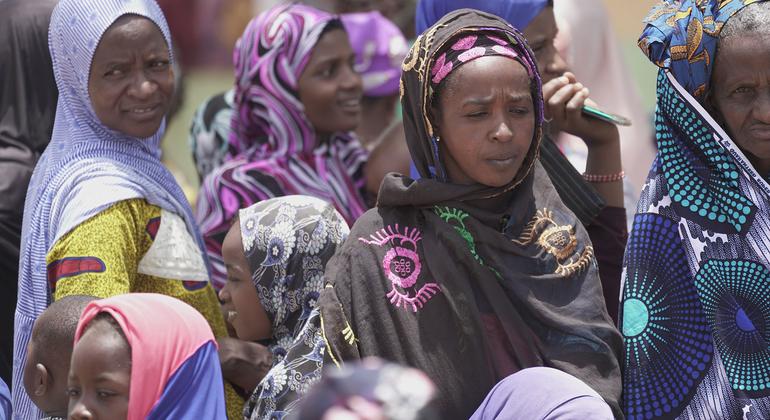
A United Nations committee has raised serious concerns about the escalating human rights violations targeting the Fulani community in Burkina Faso. According to independent investigators, extrajudicial killings, torture, arbitrary detentions, abductions, and enforced disappearances have surged during military and security operations against jihadist groups in the Sahel region, painting a grim picture of systemic repression.
systematic abuses and ethnic profiling exposed
The UN Committee on the Elimination of Racial Discrimination (CERD) highlighted that these violations are often perpetrated by national armed forces, internal security units, and their auxiliaries—including the Volontaires pour la défense de la Patrie (VDP)—as well as non-state armed groups. A particular concern is the ethnic profiling of Fulani individuals by defense and security forces, the VDP, and members of the Brigade civique pour l’ordre et la discipline (known as “Brigade Laabal”).
The Committee emphasized that these abuses are frequently linked to allegations of Fulani individuals associating with terrorist organizations, despite a lack of concrete evidence. The situation has fueled a dangerous climate of hatred and discriminatory rhetoric, including calls for violence and hate crimes against the Fulani community on social media. The UN experts condemned these inflammatory messages, noting they explicitly incite criminal acts—including murder—against Fulani individuals, exacerbating racist attacks and hate crimes.
urgent calls for accountability and prevention
The UN body has urgently called on Burkina Faso to launch immediate, thorough, and impartial investigations into all alleged violations committed by state security forces and their affiliates. The Committee insists that those responsible must be held accountable through fair prosecutions and appropriate penalties.
Beyond punitive measures, the CERD is urging Burkina Faso to adopt preventive legal frameworks that explicitly prohibit racial and ethnic profiling in line with international standards. Key recommendations include:
- Incorporating anti-discrimination clauses into national legislation with clear definitions of prohibited profiling practices.
- Developing strict operational guidelines for police and security forces to prevent profiling during identity checks, crowd control, and military operations.
government denies allegations amid growing scrutiny
Burkina Faso has categorically rejected the UN committee’s findings, asserting that its security operations strictly adhere to national and international human rights laws. Sabine Bakyono Kanzie, the country’s Permanent Representative to the UN Office in Geneva, reiterated that the fight against terrorism does not target any specific community. She dismissed claims of ethnic profiling, calling them unfounded and contrary to reality.
The Burkinabe delegation highlighted existing mechanisms, such as complaint procedures, community policing initiatives, and human rights training programs for defense and security personnel, aimed at preventing stigmatization. They also emphasized the diversity within the government and security forces, including the presence of Fulani representatives at all levels.
You may also like
Senegal’s 2026 budget revision: how the deficit surge hits households, businesses and the Pastef majority
Benin’s €544,042 UNAIDS funding: the tangible consequences for patients, communities and the economy
Senegal-Azerbaijan pact in New York: what it means for jobs, trade and cooperation
What Luxembourg’s 9.8 billion FCFA port training pledge means for Benin’s workers and businesses
Burkina Faso: shrinking civil service payroll exacts a heavy toll on households and local economies