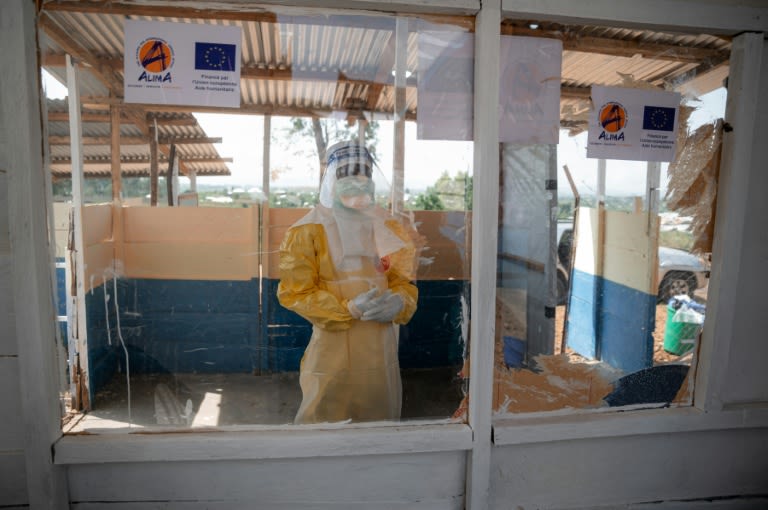
Ebola outbreak in Democratic Republic of Congo surpasses 2,000 deaths
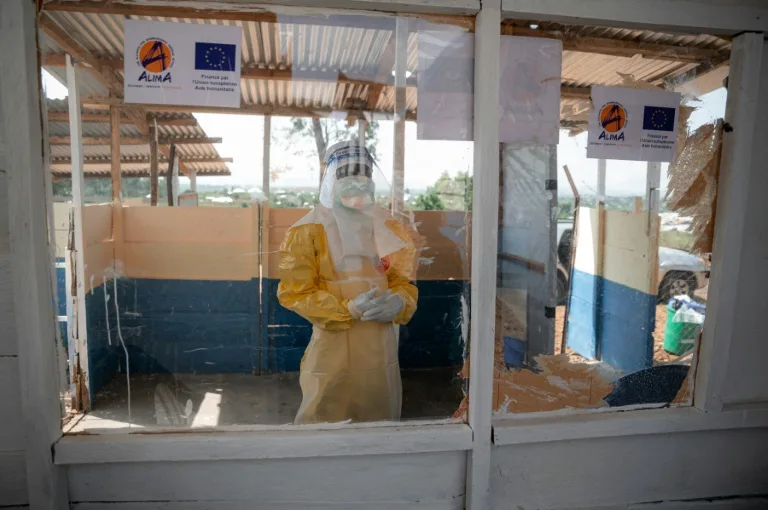
The Ebola outbreak ravaging the Democratic Republic of Congo (DRC) has claimed more than 2,000 lives, pushing the crisis closer to the devastating 2018-2020 epidemic—the deadliest in the country’s history.
Authorities declared the 17th Ebola outbreak on May 15, weeks behind schedule, labeling it the largest in DRC’s history and warning it could become the most severe global outbreak ever recorded, according to Gavi, the Vaccine Alliance.
The latest official figures from Congolese health officials, released Tuesday, confirm 2,011 deaths out of 4,381 confirmed cases. The grim milestone of 1,000 fatalities was crossed just weeks earlier, on July 22.
The deadliest outbreak in DRC’s history, which occurred between 2018 and 2020, resulted in nearly 2,300 deaths from 3,500 reported cases.
Health authorities estimate the current outbreak’s fatality rate at 45.9%, reflecting the severity of the crisis.
Challenges in containing the outbreak
Health Minister Samuel Roger Kamba warned Tuesday that the outbreak has not yet peaked, despite ongoing efforts. He expressed cautious optimism, stating in an interview shared by the ministry on X, “Within three months, we expect to have slowed the spread and begun seeing a decline in new cases.”
The response faces significant hurdles, including ongoing insecurity fueled by armed groups and deep-seated public distrust in affected regions.
According to a regional director for the World Health Organization (WHO), “Only 30% of cases are being detected, while 70% of patients die at home without medical care.” This alarming trend underscores why this outbreak differs from previous ones.
Vaccine trials underway to combat the crisis
WHO experts recommended Friday evaluating the Ervebo vaccine—currently the only Ebola vaccine approved—in clinical trials. This comes as the current outbreak involves the rare Bundibugyo Ebola variant, for which no specific vaccine exists.
WHO Director-General Tedros Adhanom Ghebreyesus hailed the initiative as “encouraging news” on X. With extensive safety data already available on Ervebo, experts believe trials can proceed directly to Phase 3, typically involving thousands of participants.
Gavi confirmed that doses of Ervebo from the global Ebola vaccine stockpile—created and funded by the alliance—will be made available to support clinical trials. This stockpile, produced by Merck, holds around 500,000 doses, with some permanently stored in DRC due to the country’s frequent outbreaks.
Gavi, established in 2000, brings together public and private donors to help developing nations access affordable vaccines.
Canada has also approved Moderna to launch clinical trials for its Bundibugyo Ebola vaccine. Two additional candidates are in development: the rVSV Bundibugyo vaccine, described by WHO as the “most promising” and developed by Hilleman Laboratories, and a vaccine from the University of Oxford, which administered its first dose to a volunteer in late July.
The United States announced Wednesday it is allocating over $242 million in additional funding to combat the Ebola outbreak in DRC.
Ebola, transmitted through bodily fluids, causes hemorrhagic fever and has claimed over 15,000 lives in Africa over the past five decades.
Related Posts
Gabon’s court of auditors strengthens financial transparency efforts
Economie Gabon’s court of auditors strengthens financial transparency efforts 125 No comment Libreville, Friday, July 17, 2026 – The fight…
Contraceptive risks in conflict zones of the Sahel
As Niamey highlights the strides women are making in development initiatives, a contrasting narrative emerges from the embattled regions of…
Taxation of digital giants reshapes Morocco’s digital economy
Digital platforms have seamlessly woven themselves into the fabric of daily life. From Meta and X to Netflix and Spotify,…