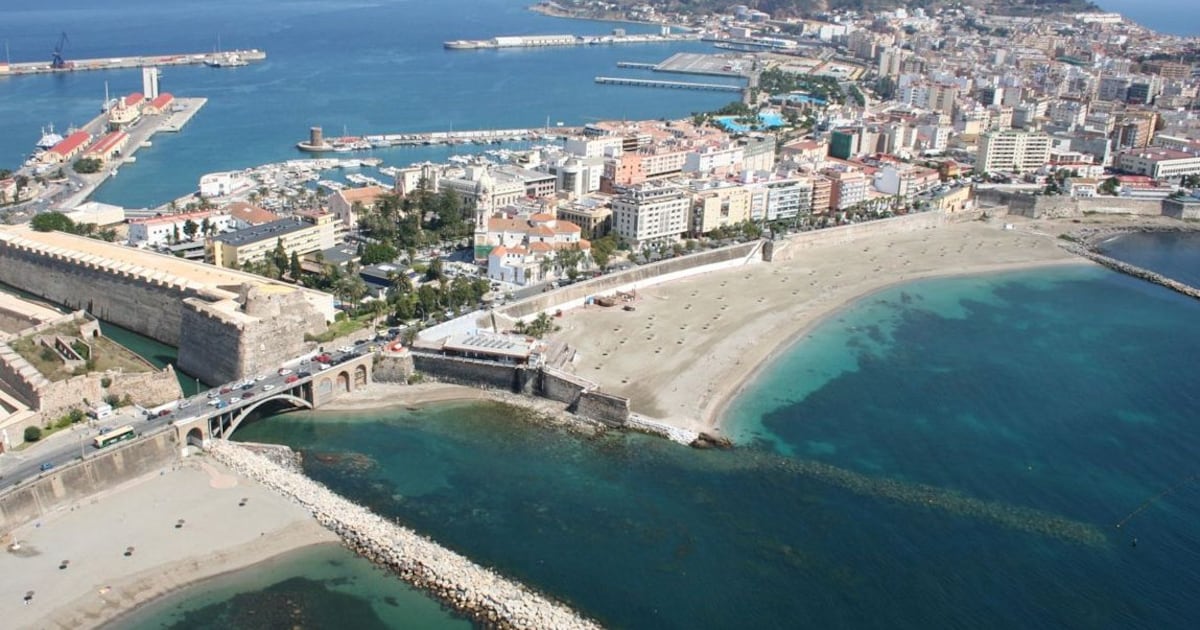
Togo has recently secured a $200 million loan from the World Bank, fueling grand plans to link the Port of Lomé to the Adétikopé Industrial Platform (PIA). The initiative aims to alleviate congestion in Lomé and bolster Togo’s position as a key logistics and trade center in West Africa. Yet, beneath the surface of these ambitious proposals lies a web of challenges that could undermine their long-term success.
Infrastructure promises vs. economic realities
The project promises a multimodal transport system combining rail and road networks, designed to align with the expectations of global financing bodies. However, questions linger over its practicality. A 30-kilometer railway segment is too short to deliver meaningful operational efficiency. Rail transport thrives on long-distance routes, and shorter links often lead to inefficient transshipment points, where cargo must be transferred to trucks, adding costs and delays. In such cases, road transport may prove more economical and faster, rendering the rail component nearly redundant.
Governance concerns overshadow development hopes
Even if external approval is secured, the project’s success depends heavily on Togo’s ability to execute it effectively. Unfortunately, the Togolese public sector struggles with systemic issues, including appointments based on political ties rather than expertise. This practice fosters a culture where incompetence, corruption, and inefficiency can thrive. Without a shift toward meritocracy and transparent oversight, funds risk being squandered, diverted, or misused—leaving the project underfunded and mismanaged from the outset.
The hidden cost of debt-fueled infrastructure
The $200 million loan is not a donation but a sovereign debt that will saddle future generations with repayment obligations. Should the project fail—whether due to operational mismanagement, lack of demand, or inadequate maintenance—Togo could be left with a costly and obsolete infrastructure asset instead of a functional economic driver. Worse, it may reinforce a cycle of dependency, where borrowed funds create more problems than they solve, deepening the country’s financial vulnerability.
While Togo’s government excels at meeting the surface-level demands of international lenders, sustainable progress demands deeper reforms. Prioritizing administrative efficiency, anti-corruption measures, and merit-based governance is essential. Without these changes, even the most well-funded projects may end up as white elephants—monumental failures disguised as progress, draining resources instead of fueling growth.