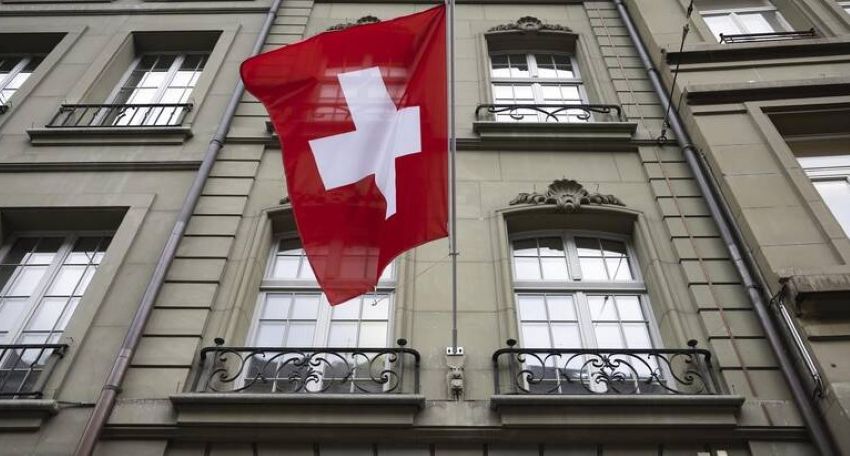
Gabon’s shadowy offshore wealth exposed in Swiss probes
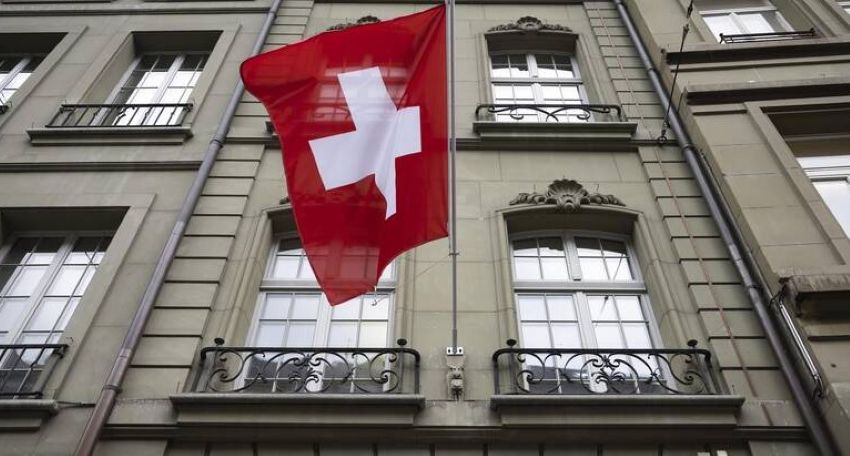
Libreville, July 3, 2026 — While court rulings in Gabon continue to dominate headlines, a far more sensitive battle is unfolding across international financial corridors. The case of Sylvia Bongo has now expanded into Swiss banking institutions, where millions of euros in assets are under scrutiny in Geneva. The investigation threatens to unravel long-held financial secrets tied to Gabon’s former political elite.
Gabonese authorities see this as a critical extension of their post-transition anti-corruption drive. At its core, this case challenges the long-standing opacity surrounding wealth accumulation among political elites in Africa.
Geneva emerges as the new legal battleground
For over two years, Swiss prosecutors have quietly pursued this case, now thrust into the spotlight. The inquiry focuses on millions of euros held in a Geneva-based bank, with authorities seeking to trace the origins of these funds. The investigation aligns with global efforts to combat money laundering and illicit financial flows.
In Geneva, the legal process operates independently of Gabon’s political transitions. Swiss magistrates are solely concerned with determining whether the funds in question were acquired legally. Their rulings will not address Gabon’s domestic judicial proceedings but will scrutinize the financial legitimacy of the assets.
Sylvia Bongo’s legal team has responded swiftly to the recent Geneva court decision. They emphasize that the ruling pertains only to procedural matters and does not predetermine the investigation’s outcome. The defense vigorously denies any wrongdoing, while also questioning the fairness of the trial conducted in Gabon.
Defending offshore wealth amid political pressure
From her residence in London, Sylvia Bongo has adopted a politically charged defense strategy. She asserts that her wealth has no connection to Gabon’s public funds. In her statement, she claims no transactions from the Gabonese Treasury can be linked to her personal assets. Additionally, she maintains that the involved banks conducted all required regulatory checks before processing these transactions.
According to Bongo, the Swiss investigation was triggered by the accusations made in Gabon following the 2023 regime change. She points out that the Geneva probe began while she was detained in Libreville, suggesting that political motivations fueled the financial scrutiny.
Yet this defense raises broader questions. Even if the funds were acquired legally, their origins remain a matter of public concern. How do political figures or their associates accumulate substantial offshore wealth? What income sources, investments, or inheritances justify such fortunes? This inquiry extends far beyond Sylvia Bongo’s case, touching on the financial practices of Africa’s ruling elites.
This debate centers on the growing demand for transparency among political leaders across the continent.
A politically charged case for Gabon
For Gabon’s transitional authorities, combating corruption and ensuring accountability are central pillars of their governance strategy. A foreign judicial ruling exposing financial irregularities linked to the former regime could bolster their legitimacy in pursuing high-profile corruption cases.
A critical question remains: Can Gabon gain access to the Swiss investigation’s findings to identify potential beneficiaries of these funds? International judicial cooperation often proves challenging, particularly when financial transactions date back over a decade.
No asset recovery in favor of Gabon’s Treasury has been reported in the publicly available information. The prospects of reclaiming any misappropriated funds remain uncertain at this stage.
This Geneva-based case elevates the debate to a new level. It is no longer merely a confrontation between Gabon’s old guard and the new authorities. The issue now revolves around the traceability of political fortunes—a question that transcends national borders.
The Swiss justice system will determine the legality of the funds under scrutiny. However, it will not resolve a more profound issue: In an era where transparency is essential for democratic trust, the offshore wealth of former leaders can no longer remain shrouded in secrecy. For Gabon and other emerging democracies, this is no longer just a judicial matter—it is an institutional, moral, and political imperative.
Related Posts
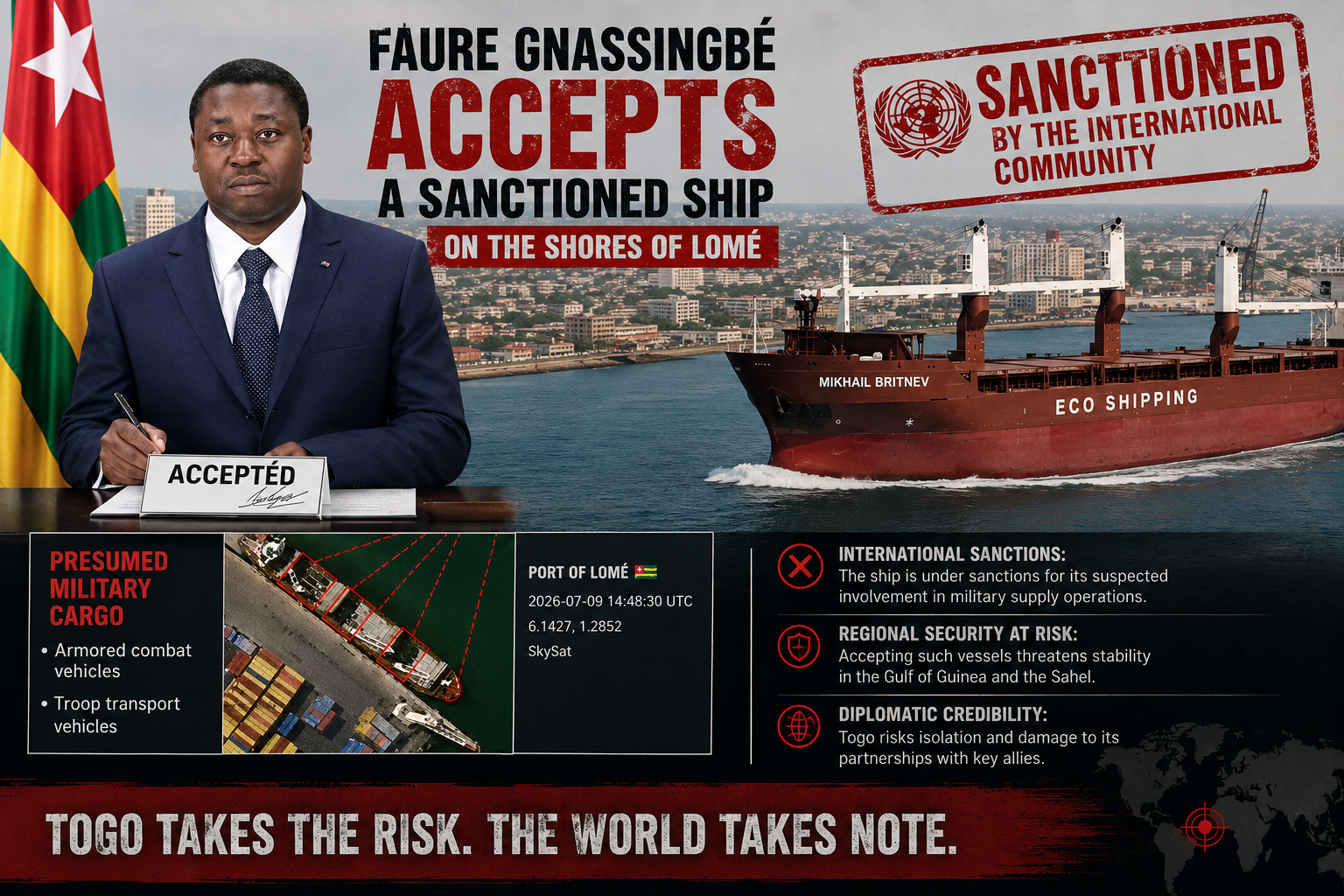
Togo’s deepening ties with Russia: a geopolitical shift with uncertain ramifications
The arrival of the Russian cargo vessel « Mikhail-Britnev », a ship subject to international sanctions, at the port of…
Burkina Faso assembly debates religious freedom law amid tensions
The legislative assembly of Burkina Faso is set to deliberate a pivotal bill on religious freedom The National People’s Assembly…
Burkina Faso adopts ‘comrade’ as official title in public administration
The political landscape of Burkina Faso has entered a new phase with the enforcement of a sweeping administrative reform. Effective…