
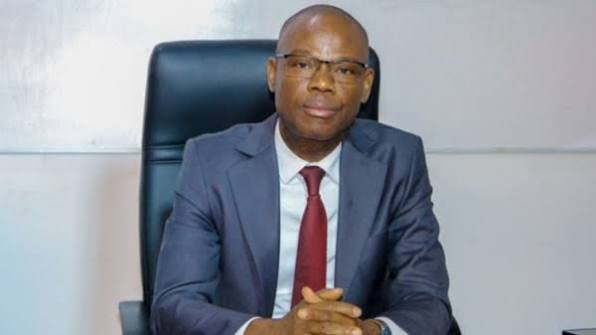
Togo’s higher education landscape evolves with new university leadership
The University of Datcha is poised to redefine academic excellence in Togo’s Plateaux Region, following the government’s announcement of its first leadership team. In a landmark decision during the latest cabinet meeting, Professor Essohanam Batchana has been appointed as the inaugural president of this emerging public institution, signaling a bold step forward for the nation’s tertiary education sector.
Academic heavyweights to steer Datcha University’s foundation
Professor Essohanam Batchana, a distinguished historian specializing in political history and international relations, brings unparalleled expertise to his new role. Previously serving as Director of Academic Affairs and Registrar at the University of Lomé, his deep understanding of academic systems positions him perfectly to guide the fledgling institution through its formative years.
To complement his leadership, Professor Kperkouma Walla, an eminent botanist and plant ecologist, has been named the university’s first vice-president. Together, this academic power duo will spearhead the development of administrative frameworks, scientific research initiatives, and curriculum design that align with modern educational standards.
Strategic vision addresses key educational challenges
The establishment of the University of Datcha—officially approved in cabinet discussions last September—addresses two critical needs within Togo’s higher education system:
- Alleviating campus congestion: The new institution will help distribute student populations away from the overburdened universities in Lomé and Kara, creating better learning environments across the country.
- Fostering regional development: By tailoring academic programs to the economic, social, and cultural context of the Plateaux Region, the university aims to become an engine for local growth and innovation.
The university’s forward-thinking approach includes cutting-edge programs in technology, applied sciences, and vocational training. This strategic alignment ensures graduates are equipped with skills that meet both market demands and societal needs, bridging the gap between education and employment.
You may also like
Niger : à Niamey, un convoi d’eau destiné aux mercenaires russes saccagé par la foule
Burkina Faso : Apollinaire Kyélem de Tambèla blocked from leaving the country
Cameroun : Yaoundé mobilise 432 millions USD pour reprendre Société Générale Cameroun
Burkina Faso’s energy gamble: 104 billion CFA francs pledged as unpaid bills to Côte d’Ivoire linger
Bénin : comment la fermeture préventive des écoles du Nord déjoue les plans terroristes