CNEF forecasts robust economic growth for Chad in 2026
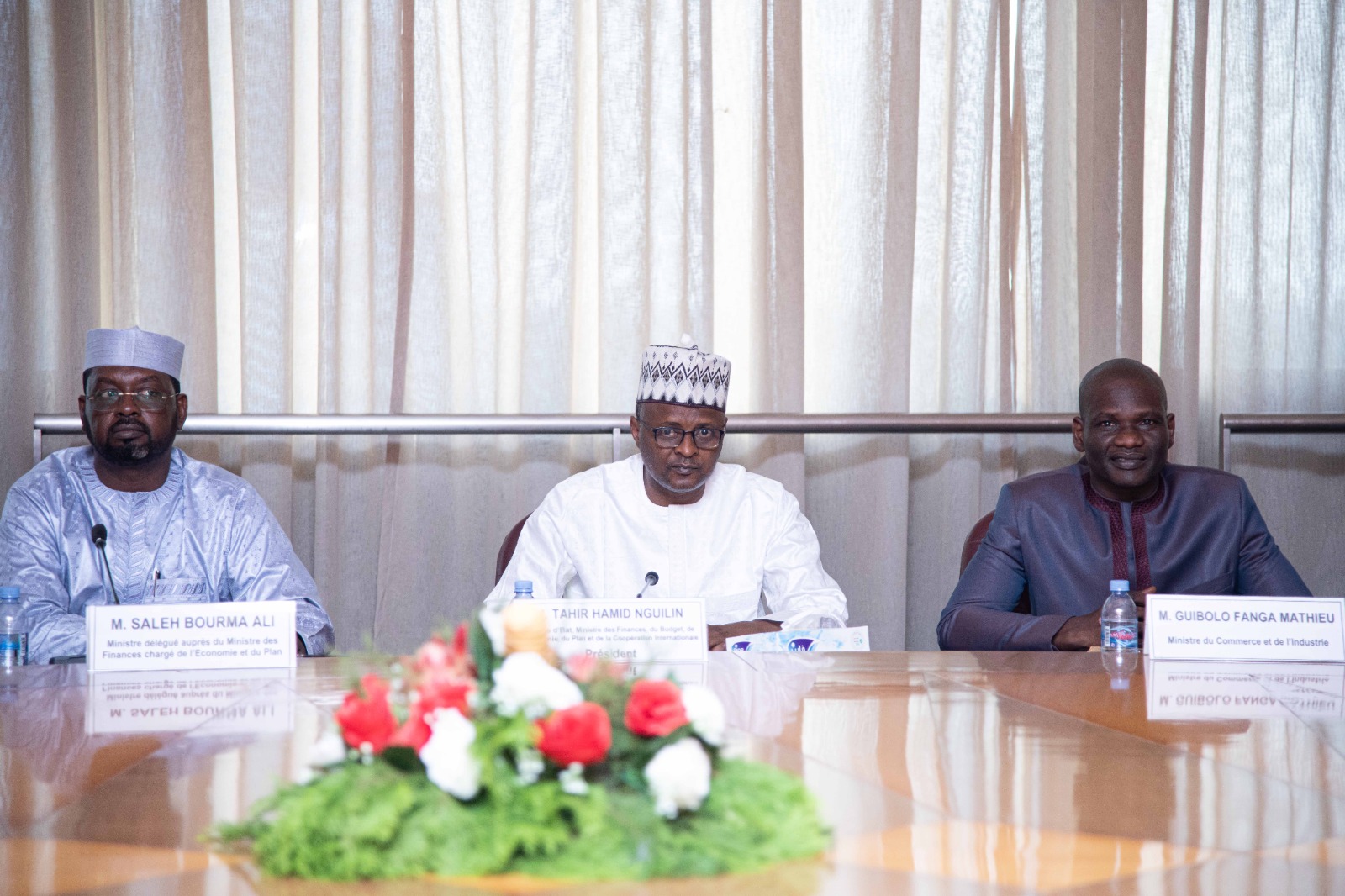
The National Economic and Financial Committee (CNEF) of Chad concluded its second ordinary session of the year in N’Djamena, chaired by the country’s Minister of State for Finance, Budget, Economy, Planning, and International Cooperation, Tahir Hamid Nguilin.
Attendees included key figures such as the Minister of Trade and Industry, Guibolo Fanga Mathieu, the Deputy Minister for Economy, Planning, and International Cooperation, Saleh Bourma Ali, and the Governor of the Bank of Central African States (BEAC), Yvon Sana Bangui, along with other permanent committee members.
The session focused on assessing the global, regional, and domestic macroeconomic landscape, with detailed projections for 2026 and beyond. The discussions were led by Idriss Ahmed Idriss, Secretary-General of the CNEF and National Director of the BEAC.
Global and regional economic challenges
The final communiqué highlighted persistent geopolitical tensions in the Middle East, the ongoing conflict between Russia and Ukraine, and rising protectionist policies worldwide as key external risks.
Despite these challenges, Central African Economic and Monetary Community (CEMAC) economies demonstrated resilience, with controlled inflation, improved fiscal and external balances, and stronger foreign exchange reserves.
Chad’s GDP growth to reach 5.3% in 2026
The CNEF projects a 5.3% real GDP growth for Chad in 2026, up from the 5.1% growth estimated for 2025. This expansion is expected to be driven primarily by the non-oil sector, despite a projected decline in oil-related activities.
The committee also noted a further reduction in inflationary pressures, with the inflation rate projected to drop to 0.5% in 2026, compared to 2.6% in 2025, signaling a healthier macroeconomic environment.
Strengthened monetary and financial indicators
Members observed a significant increase in net external assets as of March 2026, alongside growth in the money supply and a comfortable import coverage ratio for foreign reserves.
The banking sector and non-bank financial institutions showed positive performance, with the aggregated bank balance sheet expanding by 4.9% year-on-year as of the same period.
Public finances and financial inclusion priorities
On the fiscal front, the CNEF reviewed the state budget execution as of June 2026. Discussions also covered the Effective Global Rate (TEG) report for Q1 2026, findings from banking sector audits, and updates on the central bank’s deposit expansion initiatives across the country.
In concluding the session, the committee reaffirmed its commitment to closely monitor economic and financial indicators to safeguard macroeconomic stability and foster sustainable growth in Chad.