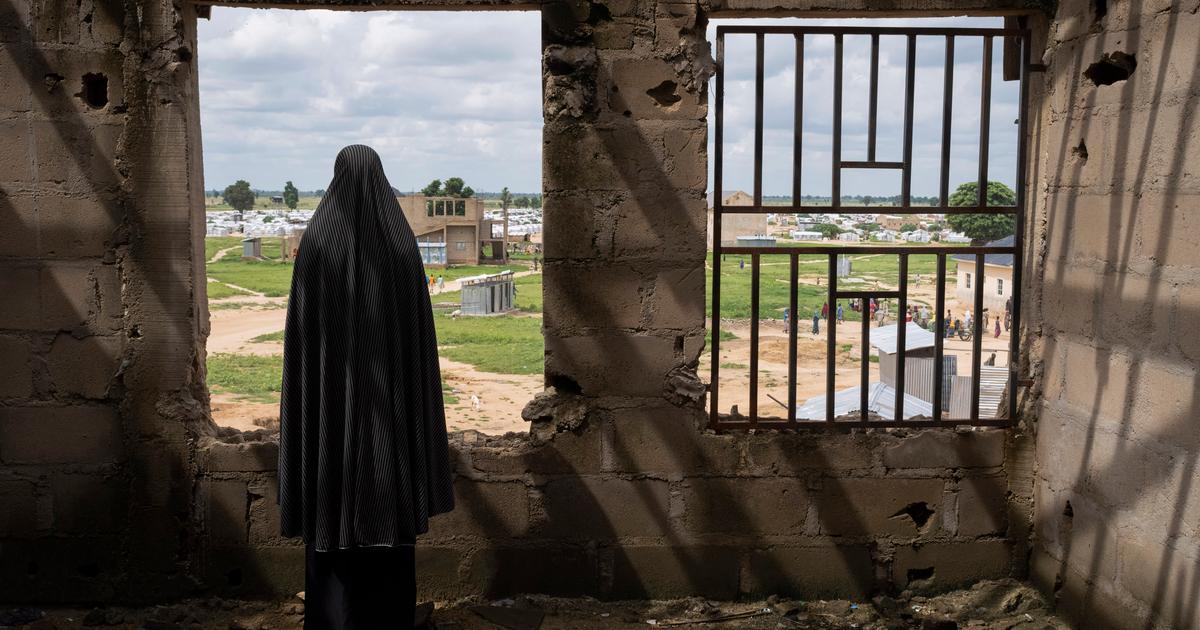
In the shadow of headlines about mass abductions in Nigeria’s northeast, the voices of survivors often fade into silence. Aisha, Juliana and Hauwa—three women whose names rarely make international news—offer a rare glimpse into the brutal reality behind the Boko Haram insurgency. Their stories, though distinct, share a common thread of violence, resilience and the long shadow of stigma that follows their return.
On an April evening in 2014, Aisha was preparing a stew—“her children’s favorite meal”— when armed fighters stormed her village of Gamboru Ngala in Borno State. There was no time to flee. Her brother was killed before her eyes. She was taken captive, forced into a makeshift camp and later handed over to a militant claiming authority over the group. “Every night, he would come for me,” Aisha recounts. “He called me his wife. I was raped repeatedly.”
Forced into captivity: the fate of abducted women
After two years of captivity marked by forced marriages and repeated sexual violence, Aisha escaped during a Nigerian military offensive. Juliana’s ordeal lasted nearly as long, though her escape came through the unlikely aid of an elderly woman. She had been just 15 when Boko Haram fighters kidnapped her and her mother in Adamawa State. Before her abduction, she had dreamed of completing secondary school and studying computer engineering.
Hauwa endured the longest captivity—a decade under Boko Haram’s control. She was married three times, bore four children and returned home to a community that branded her a “Boko Haram wife,” shunning her and isolating her children as pariahs. “I felt defiled,” she shares. “But worse was the rejection—by neighbors, by family. My children couldn’t play with others. They were called terrorists’ children.”
From captivity to community rejection
While these women escaped physical chains, emotional and social bonds remain broken. Many returnees face stigmatization and exclusion in their villages, where suspicion lingers long after liberation. Initiatives aimed at reintegration seek to address this gap, but progress is slow. Survivors like Hauwa and Juliana are vocal about the urgent need for justice and support systems that go beyond physical safety.
Beyond personal trauma, these stories underscore a broader crisis in Nigeria’s northeast. Boko Haram’s insurgency has left deep scars—on individuals, families and communities. While military operations have liberated some captives, the psychological and social wounds persist. “People congratulate me on being free,” Juliana reflects. “But part of me is still trapped in that forest. I think of the women we left behind.”
Addressing this legacy requires more than military action. It demands justice, psychological care and community reintegration programs that recognize the long-term impact of gender-based violence in conflict zones. Without these, the cycle of suffering risks continuing for generations.