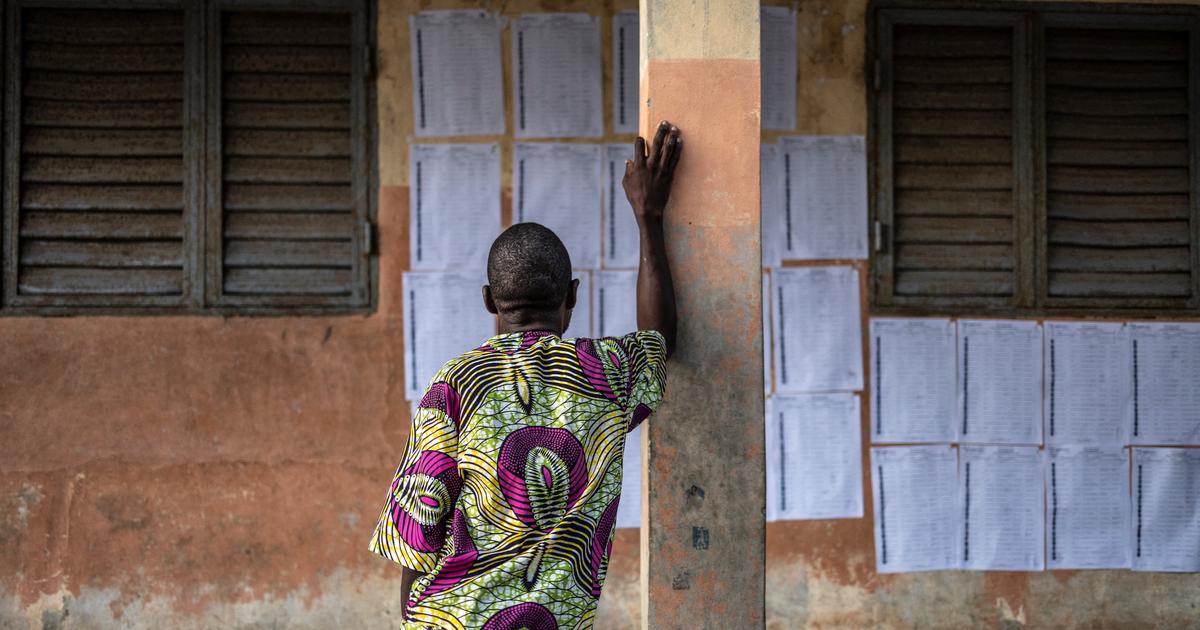
When election campaigns in Africa begin, they often resemble carefully scripted performances rather than genuine contests. The 2025 presidential elections across several nations followed this troubling pattern, with opposition voices systematically silenced before polling even started. Recent votes in Djibouti and Bénin—held on April 10 and 12 respectively—epitomized this trend. In Djibouti, incumbent President Ismaïl Omar Guelleh secured a sixth term with a staggering 97.8% of the vote, while in Bénin, Romuald Wadagni, anointed successor to Patrice Talon, claimed 94% of ballots cast. Such overwhelming victories in elections lacking real competition raise immediate concerns about democratic integrity.
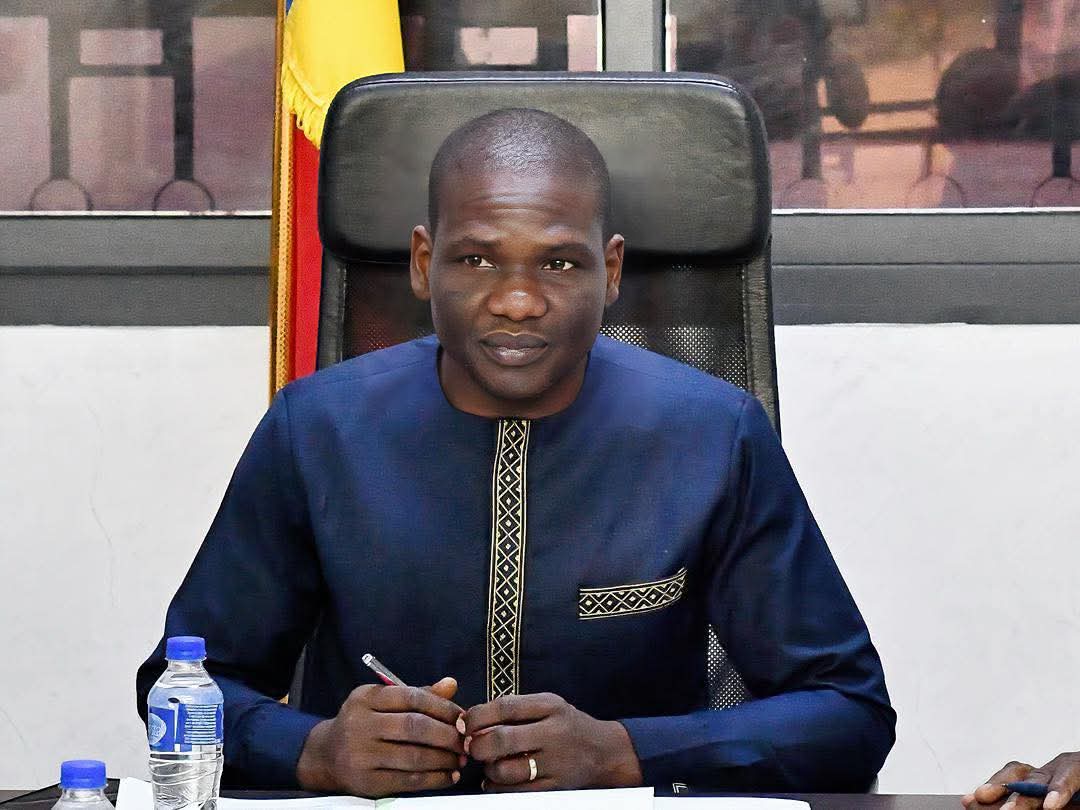
In Djibouti, prominent opposition figure Alexis Mohamed withdrew from the race, citing multiple barriers to participation. While concerns about personal safety played a role, the “prohibitive nomination fees” emerged as the decisive obstacle. Observers described the process as “a purely ceremonial exercise,” where financial barriers effectively barred competitive opposition from emerging.
the price of democracy: when money dictates who can run
This phenomenon reflects a broader challenge across West Africa: elections where financial requirements for candidacy serve as exclusionary mechanisms. In country after country, aspiring leaders face costs so steep that only the most well-funded—or regime-aligned—candidates can realistically participate. These “democratically dubious thresholds” transform what should be public contests into exercises in elite consolidation of power.
Analysts warn that when opposition candidates cannot afford to participate, elections lose their core function: offering citizens genuine choices. Instead, they become state-sanctioned rituals where outcomes are predetermined by financial prerequisites rather than voter preferences. The pattern undermines public trust in institutions and raises fundamental questions about the sustainability of democratic practices in the region.