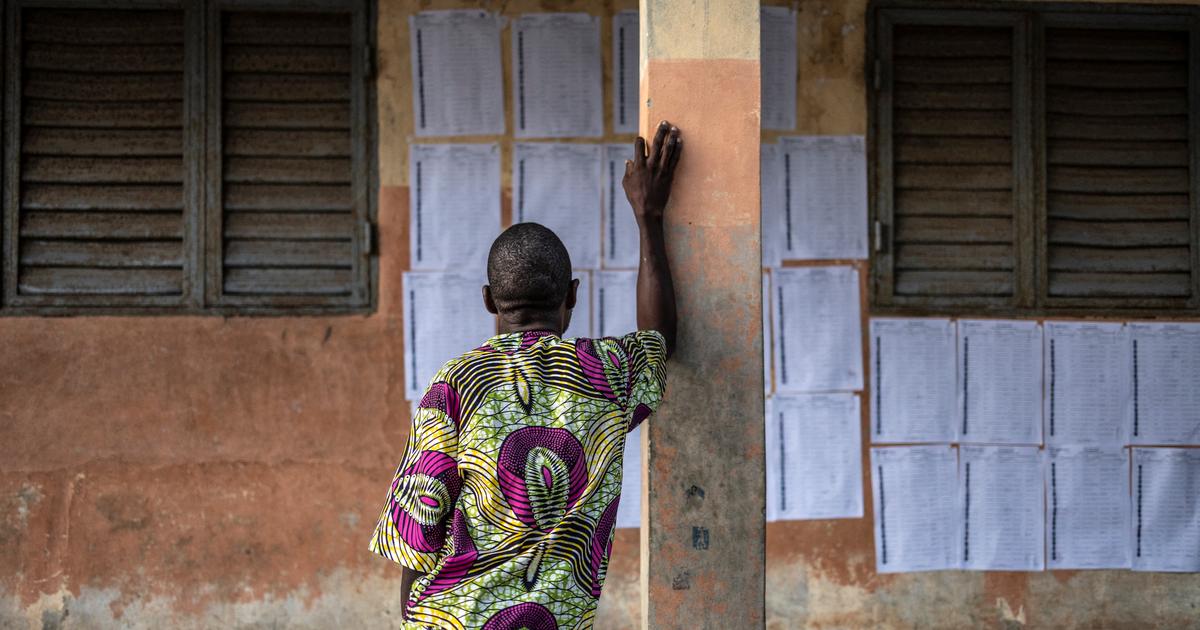

“Predictable polls,” “no surprises in the ballot boxes,” “incumbents claiming victory in the first round.” These phrases dominated discussions about Africa’s 2025 presidential elections, where opposition figures often found themselves sidelined before campaigning even began. Recent votes in Djibouti on April 10 and Benin on April 12 continued this troubling trend. In Djibouti, incumbent President Ismaïl Omar Guelleh secured a sixth term with 97.8% of the vote, while in Benin, Romuald Wadagni—a handpicked successor to Patrice Talon—won 94% of the ballots. Both victories were overwhelming, but both lacked genuine competition.
Money, not votes, decides elections
In Djibouti, opposition leader Alexis Mohamed revealed why he abandoned his presidential bid: skyrocketing nomination fees made participation impossible. While he cited security concerns as another factor, the financial barrier proved decisive. “This isn’t democracy—it’s a ceremonial exercise,” critics argued, as the elections unfolded without real challengers. The same pattern emerged in Benin, where opposition candidates struggled to meet exorbitant campaign costs, effectively locking them out of the race.
Across Africa, aspiring leaders face a growing trend: election rules designed to favor incumbents. High registration fees, stringent eligibility criteria, and opaque funding rules create a playing field tilted against challengers. The result? Elections that feel more like “managed transitions” than genuine democratic contests.