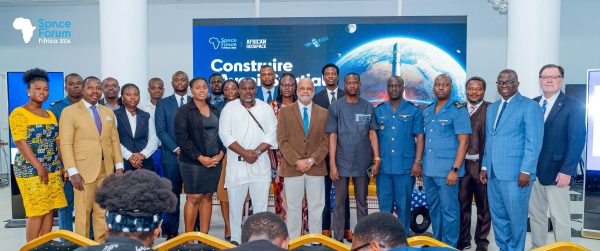
At Space Forum Africa 2026 in Lomé, leaders, researchers and entrepreneurs explored how space technologies are no longer just about observing Earth—they’re transforming economies, boosting productivity and safeguarding communities.
For decades, Africa’s space ambitions focused on launching satellites and training scientists. But in Lomé, the conversation shifted: the real question isn’t whether Africa can reach space, but what space can do for Africa. From July 28 to 30, policymakers, innovators and investors examined how orbital data can enhance agriculture, predict disasters, strengthen communications and unlock new markets.
From satellite imagery to farmland: turning space data into actionable insights
The forum highlighted a critical shift—space isn’t just a domain of scientific prestige anymore. Satellite data now directly supports ground-level decisions in farming, climate monitoring, disaster prevention and telecommunications. For African nations grappling with climate change, data gaps and forecasting challenges, these tools offer a powerful advantage in policy and planning.
This transformation also creates opportunities for African startups. As space-derived data becomes more accessible, local innovators can develop homegrown solutions tailored to continental needs, fostering high-value industries and economic diversification.
Jim Adams and the NASA legacy powering Africa’s space solutions
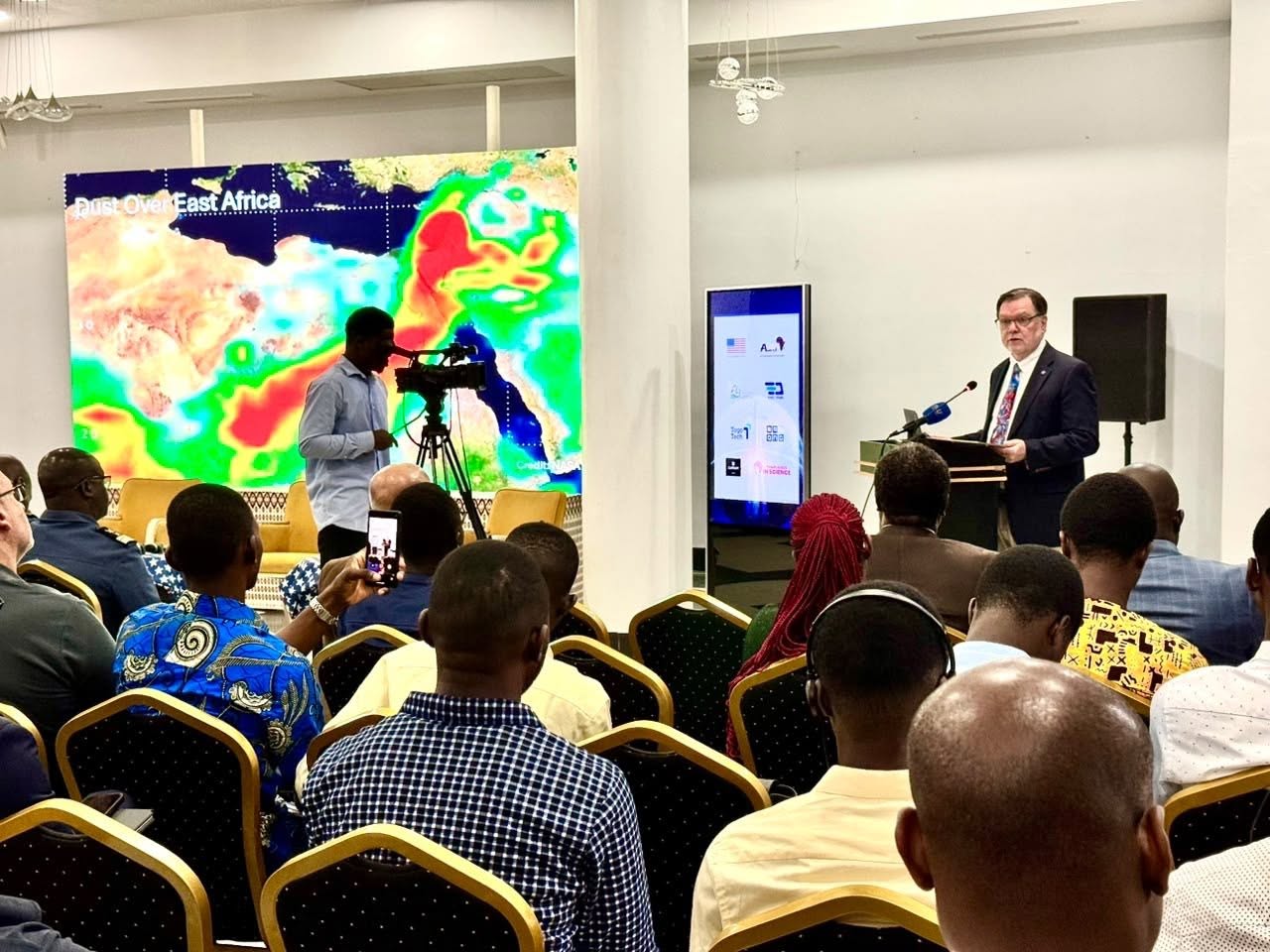
The U.S. Embassy in Lomé brought in Jim Adams, a NASA veteran with over 40 years of experience in space exploration and satellite technology. His insights underscored how space capabilities are already reshaping sectors like agriculture, climate resilience, communications and disaster management.
But beyond technical applications, Adams raised a key economic question: who will build the next generation of space technologies—and who will benefit from them? The forum emphasized that Africa’s future in space isn’t just about adoption—it’s about ownership and value creation.
Building bridges: US-Africa partnerships for a thriving space economy
While infrastructure and skills matter, the real driver of Africa’s space economy lies in fostering connections. The forum fostered collaborations between African startups, institutions and American companies specializing in space-based services and technologies.
This goes beyond traditional scientific cooperation—it’s about commercial diplomacy, investment, knowledge transfer and market creation. For African entrepreneurs, the challenge is moving from users of foreign tech to creators of African-led solutions. For international partners, it’s about discovering new talent, unmet needs and untapped opportunities on the continent.
Space as an invisible engine of economic and social resilience
Space technologies are quietly becoming Africa’s invisible infrastructure. A satellite image can reveal crop health across the Sahel. Climate data can forecast droughts before they strike. Secure communications can connect remote communities. Early warning systems can save lives during disasters.
The Space Forum Africa 2026 reframed space from a scientific curiosity to a practical tool for economic and social progress. The message was clear: Africa isn’t just watching space—it’s using it to build a stronger, more resilient future.
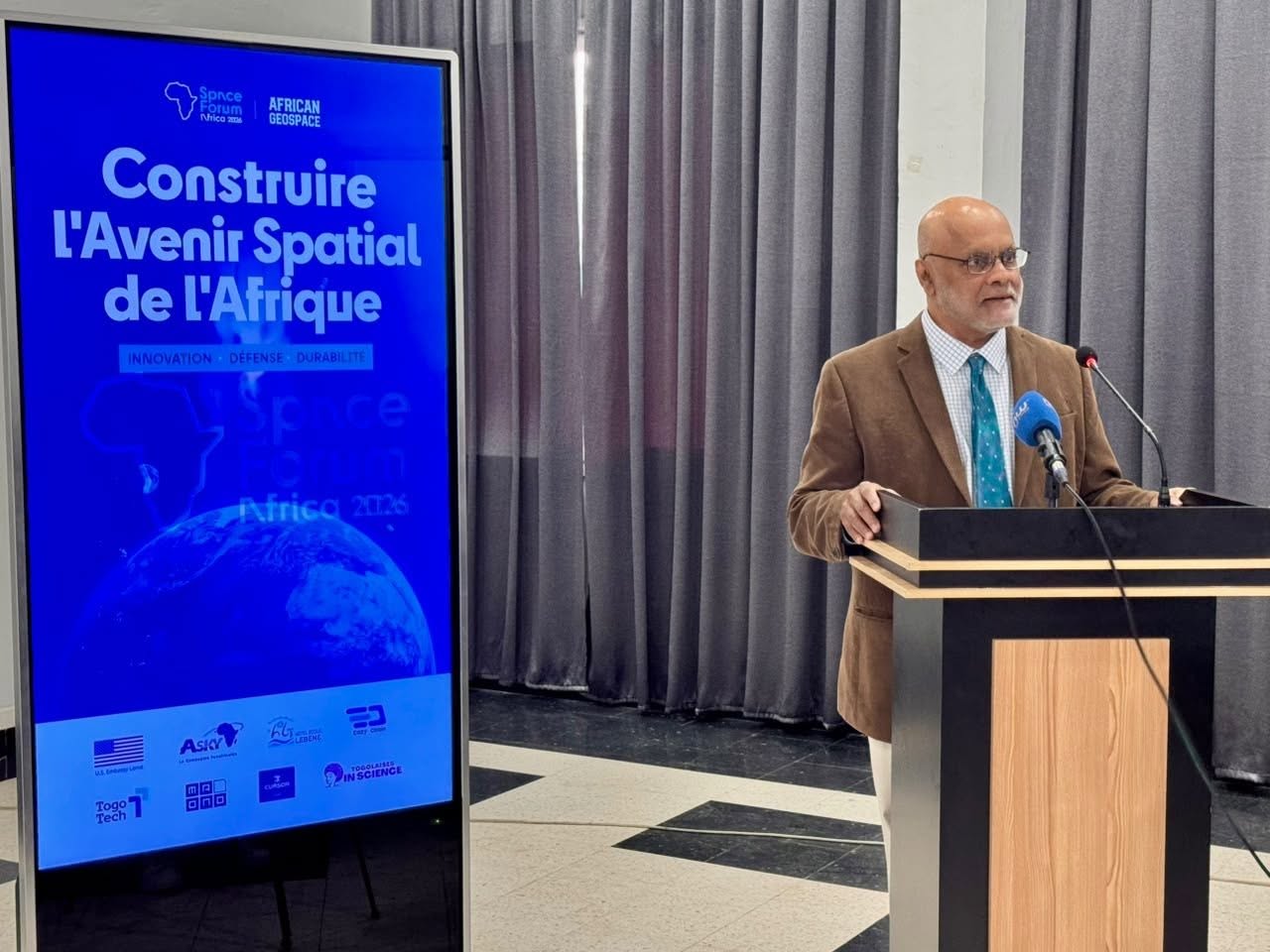
Washington and Lomé: expanding peaceful space innovation
The U.S. Embassy’s support for the forum reflects a broader commitment to peaceful, responsible space use. As the U.S. marks 250 years of innovation, its engagement in Lomé signals a new chapter—not about rockets, but about turning data into solutions, research into businesses and cooperation into markets.
The future of Africa’s space economy won’t be written in launches, but in the partnerships that turn orbiting sensors into real-world progress.
You may also like
How SOCAR’s 10% stake in Côte d’Ivoire’s Baleine project could reshape the nation’s energy future
Niger: the widening gap between Niamey’s security rhetoric and the reality on the ground
Niger: the silence at the top of the state fuels questions after the August mutiny
Niger: does Tiani’s purge expose hidden fractures at the top?
Bandiagara civilian massacre: CNDH calls on Mali to uphold state duties