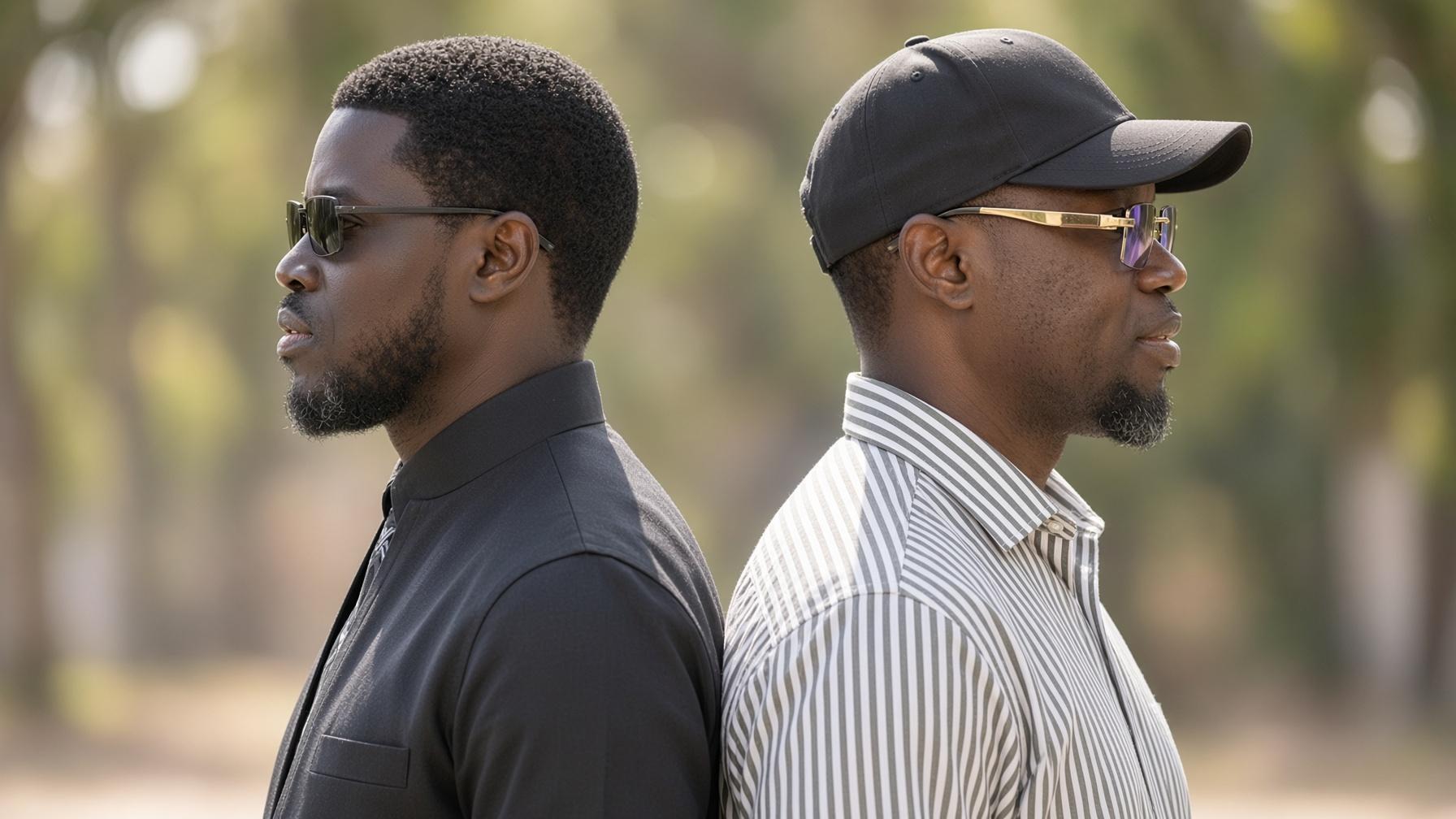
Senegal’s government now faces its greatest institutional test yet. For the third time in a week, the National Assembly has rejected the 2026 revised finance bill, sealing the fate of crucial spending adjustments proposed by Finance Minister Cheikh Diba. With two prior defeats in the Finance and Budget Oversight Committee, this decisive vote exposes deep fractures within the ruling coalition and threatens to paralyze public spending for months.
Inside the institutional breakdown: why the revised budget failed three times
The repeated rejection of the revised finance law isn’t just budgetary opposition—it’s a symptom of a widening political rift between President Bassirou Diomaye Faye and the parliamentary majority under Ousmane Sonko. This clash pits strategic priorities against institutional authority, setting the stage for an unprecedented power struggle.
The Sonko factor: when loyalty clashes with economic reform
Ousmane Sonko, leader of the Pastef parliamentary group and a former presidential candidate, has emerged as the main obstacle to the government’s plan. His refusal to support the bill—despite being part of the ruling coalition—signals a fundamental disagreement over how public funds should be allocated. While the government sought to tighten fiscal discipline with a 7.6% deficit target, Sonko’s bloc argues that such cuts disproportionately harm vulnerable communities.
Budget cuts under fire: transparency, debt, and social impact
Parliament’s objections go beyond politics. The revised bill proposed slashing 555 billion FCFA from infrastructure, healthcare, education, and flood control projects. In response, MPs demanded full disclosure of debt terms, a halt to off-budget spending, and independent audits. Yet when the government offered minor concessions, the offer fell short of parliamentary demands, deepening the impasse.
Confrontation escalates: between sovereignty and executive power
Tensions spilled into public debate, with Prime Minister Ousmane Sonko (the same name, different role) accusing critics of ‘punishing the people’ through delayed spending, while parliamentary leaders defended their constitutional right to review—and reject—government proposals. The language shifted from negotiation to confrontation, with the National Assembly rejecting its role as a mere ‘rubber-stamp body.’
What comes next? Paths out of the deadlock
With the budget blocked, Senegal’s economic outlook grows precarious. The government has three main options, each carrying significant risks:
- Constitutional bypass: Invoking emergency provisions (Article 86) to implement spending via provisional twelfths or decree could push the bill through—but risks triggering a constitutional crisis and further alienating lawmakers.
- Political retaliation: The parliamentary majority has not ruled out a vote of no confidence, escalating the conflict into full-blown institutional warfare.
- International consequences: Foreign donors, including development partners and lenders, have signaled that prolonged delay may freeze disbursements, threatening vital health, education, and infrastructure projects.
A make-or-break moment for governance
The triple rejection marks a turning point for Senegal’s democratic institutions. Will the government compromise, or will it press forward, risking economic and political destabilization? The coming weeks will determine whether this crisis becomes a catalyst for reform—or a descent into prolonged paralysis.

