Senegal’s Leadership Recognized at the United Nations
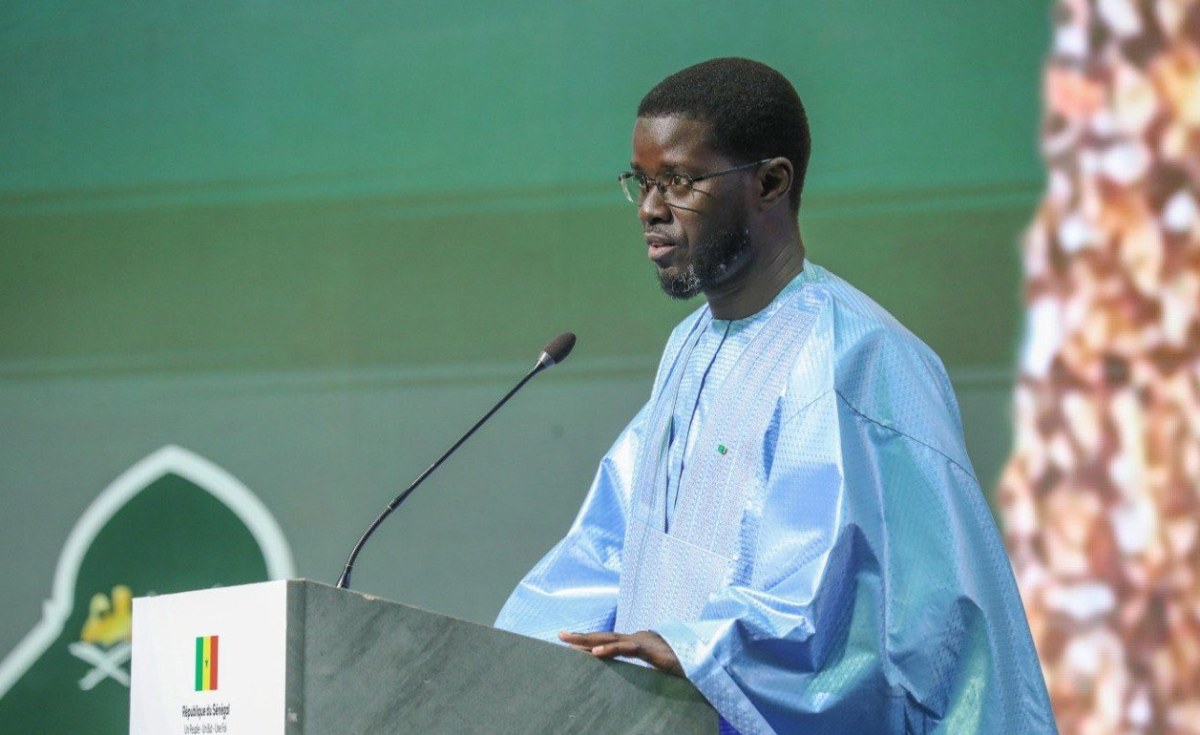
The Fourth Committee of the United Nations General Assembly, responsible for special political and decolonization issues, has elected Ambassador Coly Seck of Senegal as its President for the 81st session of the General Assembly. This historic appointment underscores Senegal’s commitment to multilateral diplomacy and its active role within the UN system.
The election took place on June 2, 2026, following the 85th plenary meeting of the 80th session in New York. Member States also confirmed the leadership of the Assembly’s six main committees, including the President, Vice-Presidents, and bureau members for the upcoming session.
Ambassador Seck’s Vision for the 81st Session
In a statement released by Senegal’s Permanent Mission to the UN, Ambassador Seck expressed gratitude for the trust placed in him, emphasizing his dedication to advancing the goals of the Fourth Committee. He highlighted his determination to serve the UN effectively during this critical period.
The Fourth Committee oversees a broad spectrum of global issues, including:
- Decolonization matters
- Impacts of ionizing radiation
- Information-related questions
- Peacekeeping operations
- Special political missions
- UNRWA’s refugee relief efforts
- Israeli practices in occupied territories
- International cooperation in outer space
Ambassador Seck assumes this role as the UN prepares for a pivotal 81st session, set to commence in September 2026. This session arrives at a time when member states are increasingly calling for renewed confidence in multilateralism, enhanced organizational efficiency, and strengthened global peace and security efforts.
Broader Context of the 81st General Assembly
During the same session, Khalilur Rahman of Bangladesh was elected President of the 81st UN General Assembly. Addressing member states, he acknowledged the significant challenges facing the UN, including escalating conflicts, shrinking humanitarian space, human rights setbacks, development progress pressures, and financial constraints.
UN Secretary-General António Guterres also addressed the Assembly, framing the 81st session as both a test and an opportunity. He remarked, “The hard work of diplomacy, dialogue, and collaboration within this Assembly renews my hope.” He further emphasized the UN’s potential to transform divisions into collective action for shared progress.
Senegal’s Multilateral Contributions Recognized
As President of the Fourth Committee, Ambassador Seck will work alongside the elected Bureau for the 81st session. The Bureau includes:
- Fahad Mohammad Alajm (Kuwait) – Vice-President
- Deborah Maria Borg (Malta) – Vice-President
- Andrei Nicolenco (Republic of Moldova) – Vice-President
- Matthew Moxey (Bahamas) – Rapporteur
Senegal’s election to this leadership role reflects its proven track record in peacekeeping. According to UN Peacekeeping Operations, Senegal contributes over 3,000 military and police personnel to UN peacekeeping missions worldwide, reinforcing its reputation as a key player in global stability efforts.