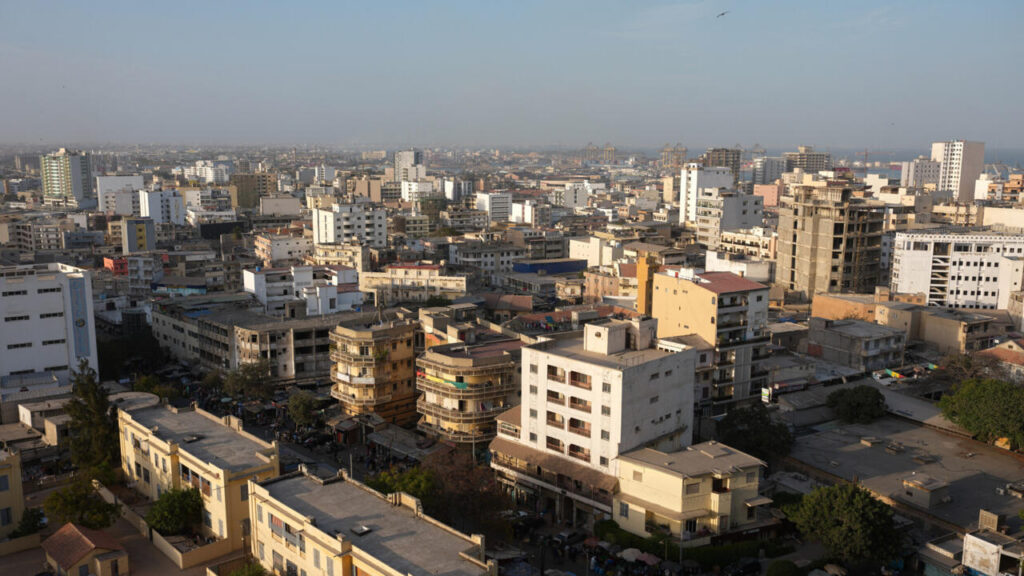
Senegal’s foreign investment slump raises concerns despite economic potential
After four years of remarkable growth, with an average of $3 billion in annual foreign direct investments (FDI), Senegal saw a dramatic decline to just $37 million in 2025, according to the United Nations Conference on Trade and Development. The question now arises: Is this a natural end to a major investment cycle, or a sign of investor hesitation toward the country’s financial policies?
The sharp drop in investment is largely cyclical. Major oil and gas projects like Sangomar and Grand Tortue have driven significant inflows in recent years, but the bulk of these investments are now complete. Production has taken center stage.
Structural challenges hinder Senegal’s appeal
While Senegal could have attracted far more than $37 million in 2025, structural barriers remain, says Moubarak Lo, former economic advisor to the Prime Minister and now a consultant: «Senegal has the potential to consistently secure $3 to $5 billion annually in foreign direct investment, but this requires proactive economic promotion. Unfortunately, the country lacks a dedicated network for overseas investment promotion—unlike many of its peers. Roadshows are organized, yet they fall short. Waiting passively isn’t enough; a proactive approach is essential. While the country excels in attracting portfolio investments like government bonds or treasury bills, it has yet to master the art of securing direct investments. This shift in strategy is long overdue.»
Debt levels not the primary deterrent
With a debt-to-GDP ratio of 132% at the end of 2024, as reported by the International Monetary Fund (IMF), Senegal’s debt burden might seem daunting. However, experts argue that it isn’t necessarily a major concern for private investors. Justin Maria, Director of Access Bank in France, points to France—a country attracting private investors despite a public debt exceeding €3.5 trillion—as an example. For him, the real issue is visibility: «Senegal is perceived as a high-risk country—not because of long-term fundamentals, which remain strong, but due to the lack of clarity around short-term financial health. Investors are hesitant because they can’t gauge the state of public finances or liquidity.»
Path to recovery
Moubarak Lo dismisses the
You may also like
Niger’s August mutiny: the fallout, the unanswered questions, and what lies ahead
What Benin’s AirBadminton gold over Mauritius really changes for the sport
Benin’s CCI budget for 2027 sparks debate: what the 6.6 billion FCFA plan means for businesses
Bambali agro park: what the launch means for Sédhiou and Senegal
Senegal’s palm oil deal with Indonesia: reactions, debate and what happens next