
Political shake-up in Dakar as prime minister exits
Tensions at the highest levels of Senegal‘s government have intensified following the abrupt dismissal of Prime Minister Ousmane Sonko. The decision, announced by President Bassirou Diomaye Faye, comes after a heated exchange in parliament where Sonko raised concerns about the existence of undisclosed political funds.
Escalating disputes over governance
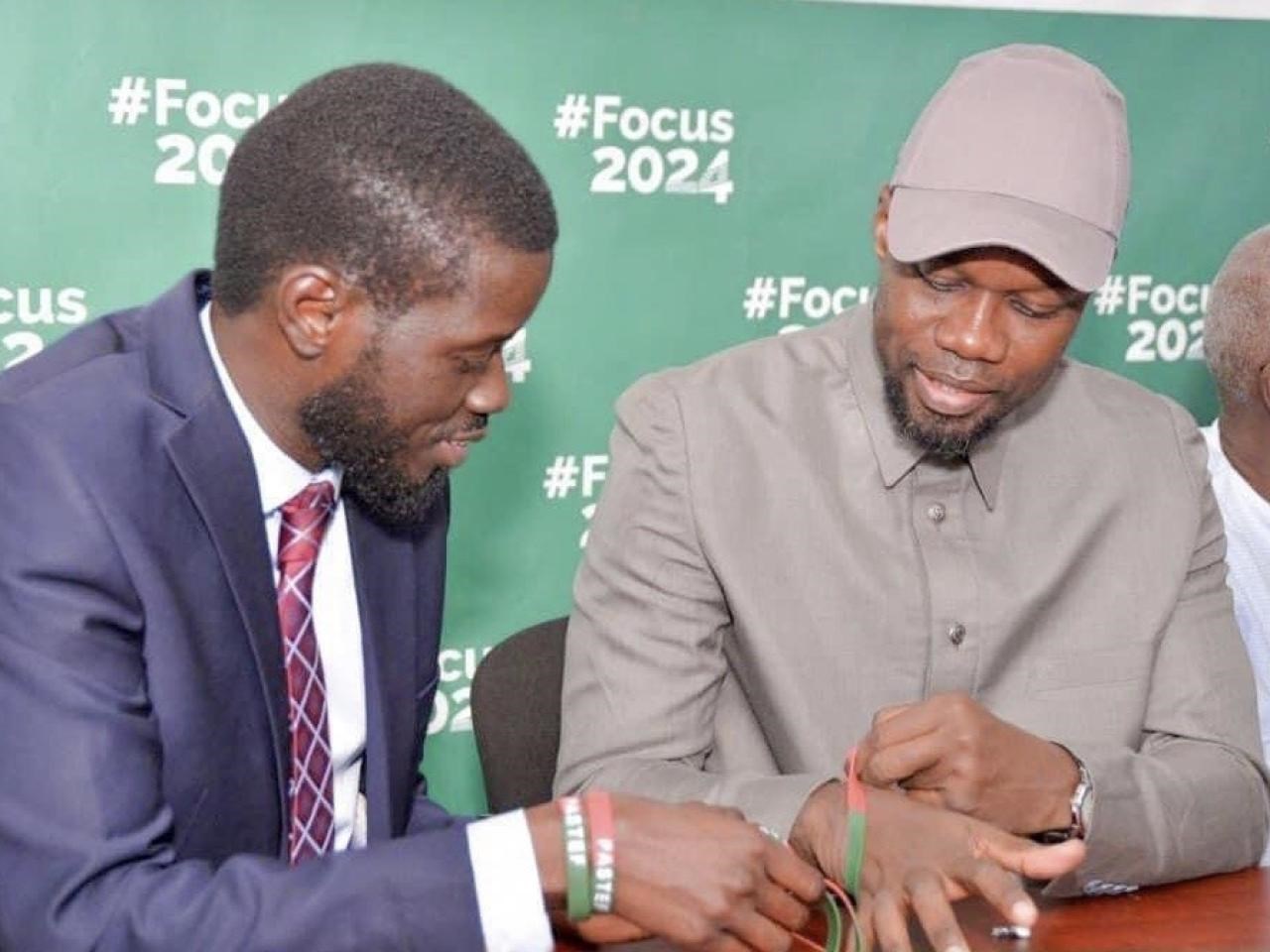
Just weeks before the dismissal, President Faye sought to calm speculation about a potential institutional crisis during a televised interview. “He remains my Prime Minister as long as he retains my confidence. If that changes, he will be replaced,” the President stated, projecting an image of firm control. However, Sonko’s response was swift and unambiguous. Addressing his supporters, he emphasized that the Pastef party’s mission transcends personal ambitions, rooted in collective sacrifice and national service.
Key appointments signal shifting alliances
The reshuffle continued with the naming of Abdoulaye Tine as Presidential Spokesperson, a role previously held by Ousseynou Ly—a figure closely aligned with the outgoing Prime Minister. Tine, also leader of the Diomaye Président coalition’s executive committee, underscores a strategic shift away from Sonko’s influence. In a public statement, Ly reaffirmed his unwavering loyalty to the Pastef project, describing it as a beacon for a sovereign, fair, and prosperous Senegal.
Coalition fractures deepen
At the heart of the dispute lies the future of the Diomaye Président coalition, which propelled Faye to victory in the 2024 election. While Sonko advocates for its dissolution, the President insists on preserving the alliance that secured his mandate. This divergence highlights underlying tensions in a partnership forged over a decade ago—one that saw Sonko, barred from running in the presidential race, handpick Faye as the Pastef candidate.
Economic pressures amplify political challenges
The political turbulence unfolds against a backdrop of economic strain. Senegal grapples with sluggish growth, a public debt nearing 132% of GDP, and repeated sovereign credit downgrades. Limited access to international markets and stalled negotiations with the International Monetary Fund have further complicated efforts to stabilize the economy. These pressures add urgency to the need for cohesive leadership as the nation navigates uncertain waters.