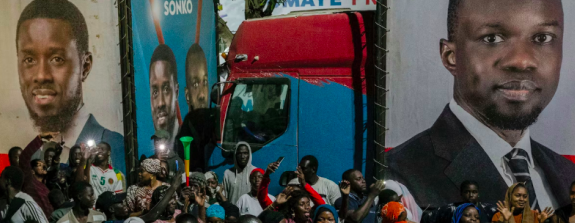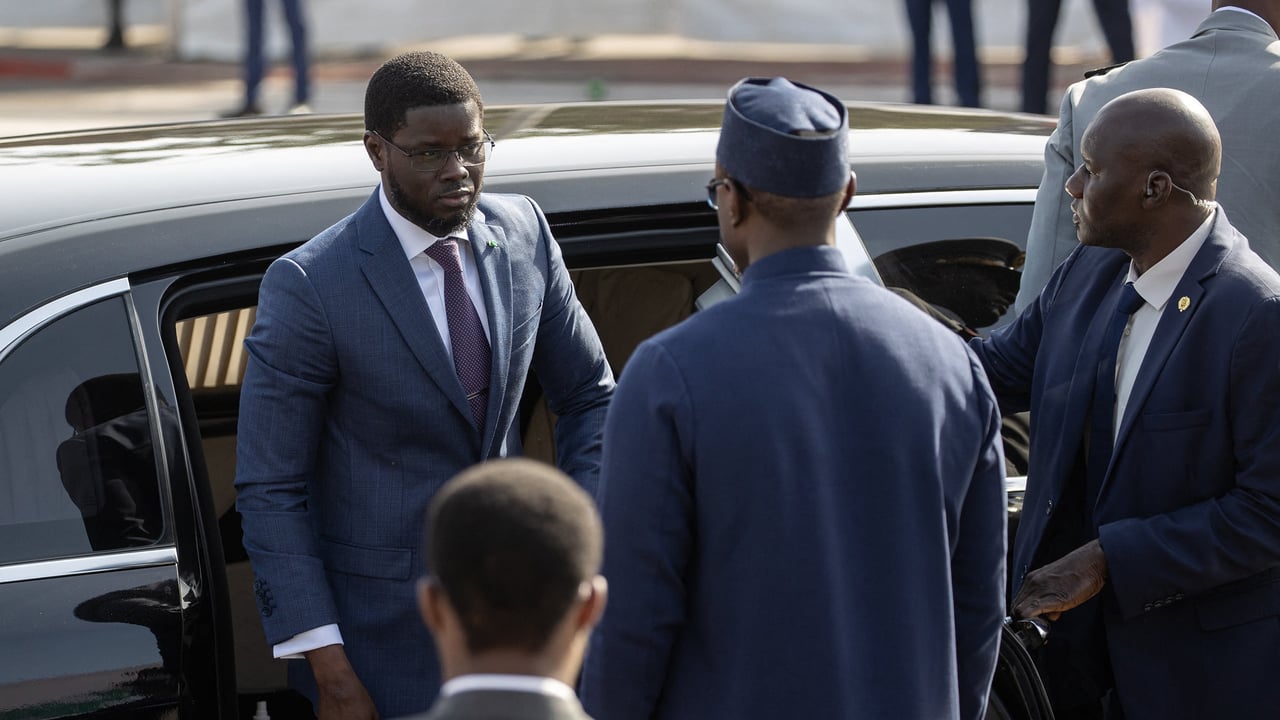

In the evolving political landscape of Senegal, President Bassirou Diomaye Faye stands at a critical crossroads. His leadership journey is unfolding in the long shadow cast by Ousmane Sonko, a figure whose influence continues to shape the nation’s governance. This delicate dynamic raises questions about Diomaye Faye‘s capacity to carve out his own identity while navigating the expectations of a population hungry for change.
a presidency under scrutiny
Since assuming office, Bassirou Diomaye Faye has faced intense public scrutiny. His every move is analyzed through the lens of Sonko’s legacy—a legacy built on bold promises and confrontational politics. The question on many minds: can Diomaye Faye transcend this shadow and establish his own political footprint?
the weight of expectations
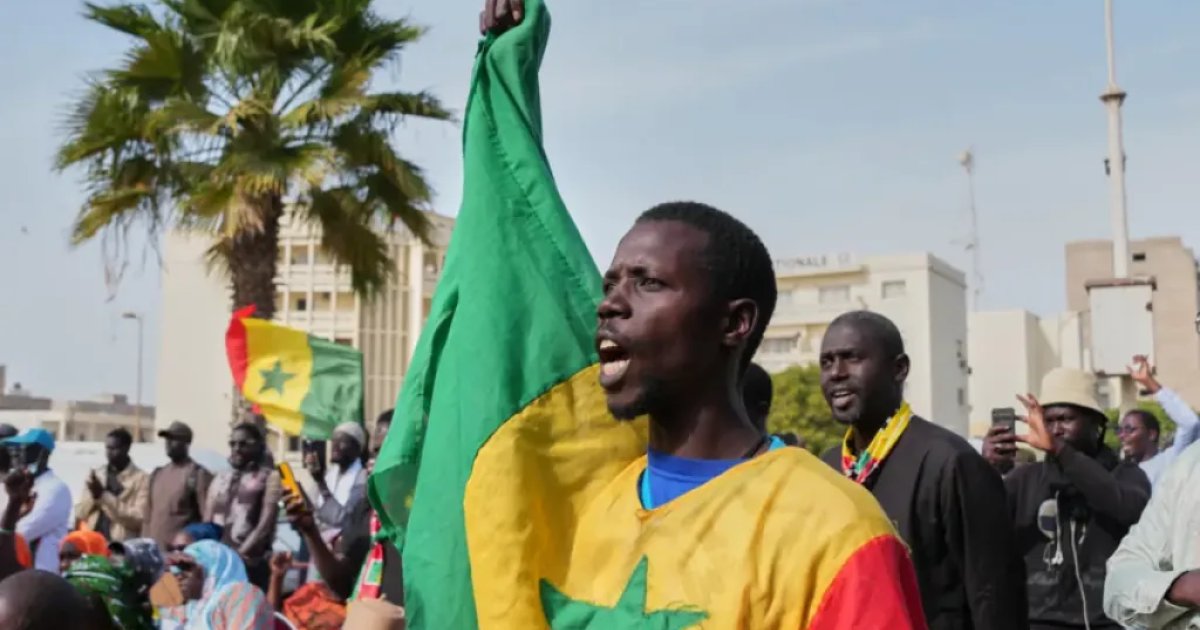
Senegalese citizens, particularly the youth, have placed immense hope in Diomaye Faye‘s administration. They envision a break from entrenched practices, seeking tangible improvements in governance, economic opportunities, and social justice. However, the political realities of Senegal demand a careful balancing act—one that requires Diomaye Faye to honor Sonko’s vision while asserting his own authority.
navigating political alliances
At the heart of this challenge is Diomaye Faye‘s relationship with Ousmane Sonko. As Prime Minister, Sonko remains a formidable force within the Pastef movement and the broader political sphere. Their collaboration is essential for stability, yet it also presents risks—risks that could undermine Diomaye Faye‘s ability to govern independently.
- Pastef‘s grassroots support: A double-edged sword for Diomaye Faye, providing both a foundation and a constraint.
- The specter of dissent: Any perceived deviation from Sonko’s agenda could spark internal divisions within the party.
- Public perception: How will citizens react if Diomaye Faye is seen as merely a continuation of Sonko’s policies?
the road ahead: risks and opportunities
The path forward for Bassirou Diomaye Faye is fraught with challenges, but it also offers opportunities for growth. His ability to reconcile personal ambition with the collective aspirations of the Senegalese people will define his presidency. Key considerations include:
- Economic reforms: Can he deliver on promises of job creation and poverty reduction?
- Institutional strengthening: Will he succeed in reducing corruption and enhancing transparency?
- Regional stability: How will his leadership impact Senegal‘s role in West Africa?
These are not just political questions; they are existential ones for a nation at a turning point in its history.