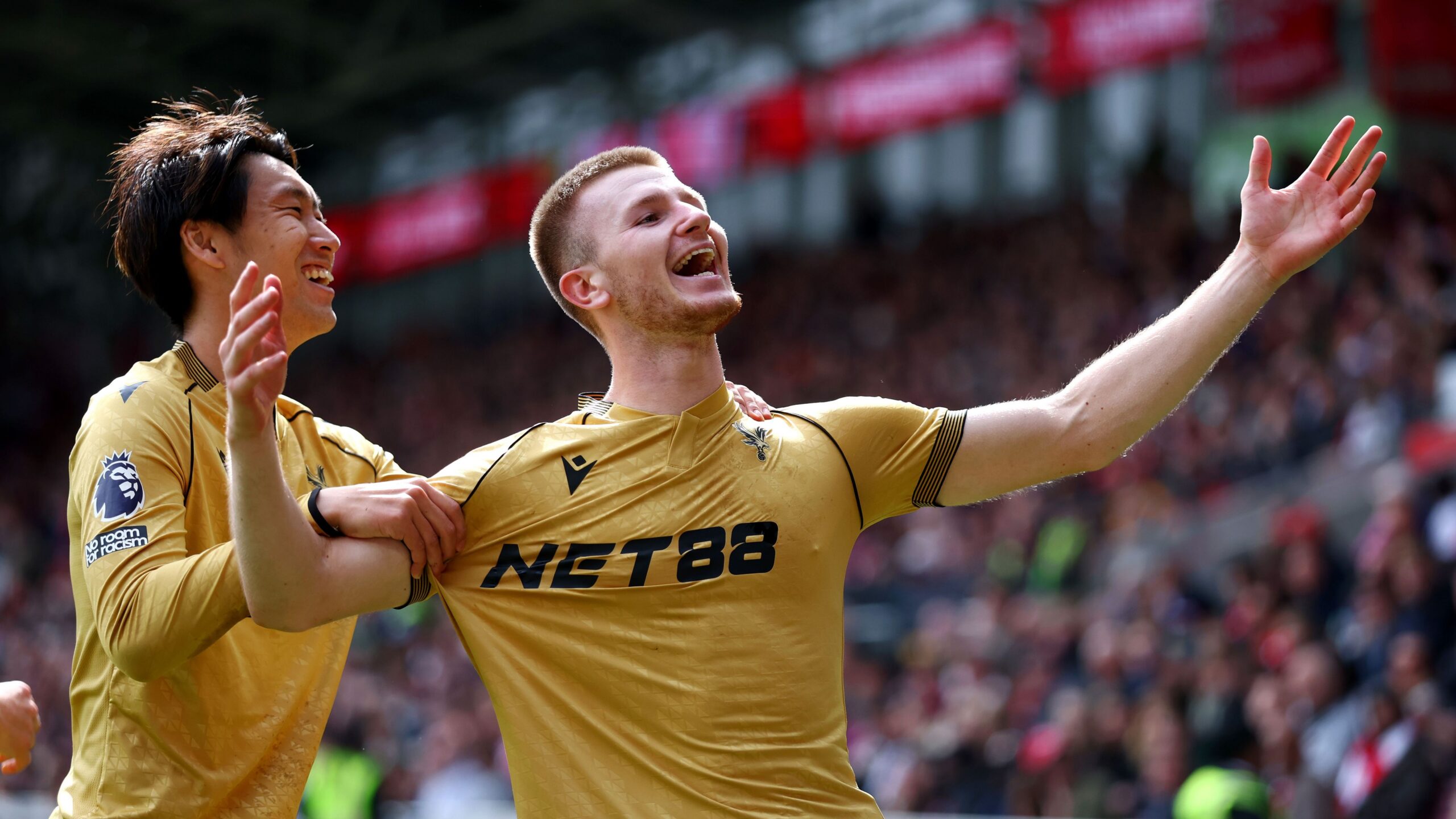
When Crystal Palace and Rayo Vallecano step onto the pitch for the Europa Conference League final, they bring more than just two contrasting footballing philosophies—they bring a clash of identities that could rewrite both clubs’ histories. The Red Bull Arena will host a showdown that neither team entered as favorites, yet both now stand on the brink of continental glory.
why this final defies expectations
The path to this final has been anything but conventional. Crystal Palace, despite their Premier League pedigree, arrive as underdogs in European competition, while Rayo Vallecano—despite their modest budget—have defied the odds through sheer tactical identity. Both teams share a common trait: they thrive in transitional moments, but their approaches to chaos could not be more different.
the controlled chaos of rayo vallecano
Iñigo Pérez’s rise from assistant coach to mastermind of Rayo Vallecano’s resurgence is one of football’s most compelling stories. After being denied a move to England due to work permit issues, Pérez returned to Vallecas with a clearer vision. His team still plays with the same intensity that made them feared under Andoni Iraola, but now with added structure and composure.
Their attacking approach is relentless: nearly 40% of their shots come in transition, often from crosses. The shot maps reveal a team obsessed with territorial dominance, flooding central zones around the penalty area. While their expected goals (xG) per shot may not be elite, their sheer volume keeps opponents under constant pressure. The data shows a team that may not always control matches, but their offensive output remains remarkably consistent throughout the season.
crystal palace’s precision in transition
Oliver Glasner has already etched his name into Palace’s history with last season’s FA Cup triumph, but this final carries even greater significance. The Austrian coach has transformed Palace into a team that excels in high-pressure situations, blending defensive solidity with surgical counterattacks. This season hasn’t been smooth sailing. Key injuries to Eberechi Eze and Marc Guéhi tested the squad’s depth, yet Palace maintained their Premier League status with ease, allowing them to focus on European glory. Glasner’s experience in knockout football—evidenced by his Europa League win with Eintracht Frankfurt—gives Palace an edge in big moments. Their shot profile contrasts sharply with Rayo’s. Palace’s attacks are more selective, with a higher concentration of shots in prime central positions. Their xG per shot is superior, and their transitions are executed with greater efficiency, converting vertical moves into clear chances rather than overwhelming opponents with volume.
adam wharton: the engine of palace’s transitions
At the heart of Crystal Palace’s transitional play is Adam Wharton, a midfielder whose style embodies the modern game’s ideal: verticality, creativity, and relentless pressure. While he may have missed out on England’s recent World Cup squad, Wharton’s impact at Palace is undeniable. His statistics paint a picture of a complete midfielder: elite progressive passing, high xG contribution, and a knack for unlocking defenses with decisive dribbles or through balls. Wharton doesn’t just control the tempo—he dictates it. His ability to slow play when needed and explode forward when opportunities arise makes him the perfect foil for Rayo’s aggressive pressing. The shot construction maps highlight his influence: Wharton is consistently involved in the buildup to Palace’s most dangerous moments, whether through pinpoint passes or audacious dribbles in half-spaces. Against a team like Rayo, where instability is both a strength and a weakness, Wharton’s ability to exploit defensive gaps could be decisive.
rayo’s chance to exploit palace’s set-piece vulnerabilities
If Rayo Vallecano are to upset the odds, they may find their best weapon in Crystal Palace’s defensive set-piece frailties. Palace rank among the worst in the league for xG conceded from throw-ins, particularly when opponents target central zones. The data reveals a disturbing trend: Palace frequently concede high-quality chances in the heart of the penalty area after second-ball situations. Whether from the right or left flank, opponents consistently exploit gaps in Palace’s defensive structure, generating shots with an xG exceeding 0.31 per attempt. Rayo’s approach doesn’t rely on elaborate set-piece routines. Instead, they can disrupt Palace by overloading central areas, forcing defensive errors, and capitalizing on second balls. In a match where open-play dominance may be hard to achieve, set pieces could be Rayo’s most realistic path to glory.
a clash of philosophies
This final isn’t just about talent or reputation—it’s about two distinct visions of football. Crystal Palace, with their blend of structure and transitional efficiency, represent the disciplined counterattacking side. Rayo Vallecano, with their aggressive pressing and chaotic energy, embody the high-intensity, unpredictable approach. One team thrives on control; the other embraces instability. One relies on precision; the other on relentless pressure. The outcome may hinge on which philosophy can impose its will over 90 chaotic minutes. A single moment—Wharton’s incisive pass, a Rayo pressing trap, a Palace counterattack, or even a set-piece conversion—could decide the fate of the trophy. That unpredictability is what makes this final so compelling.