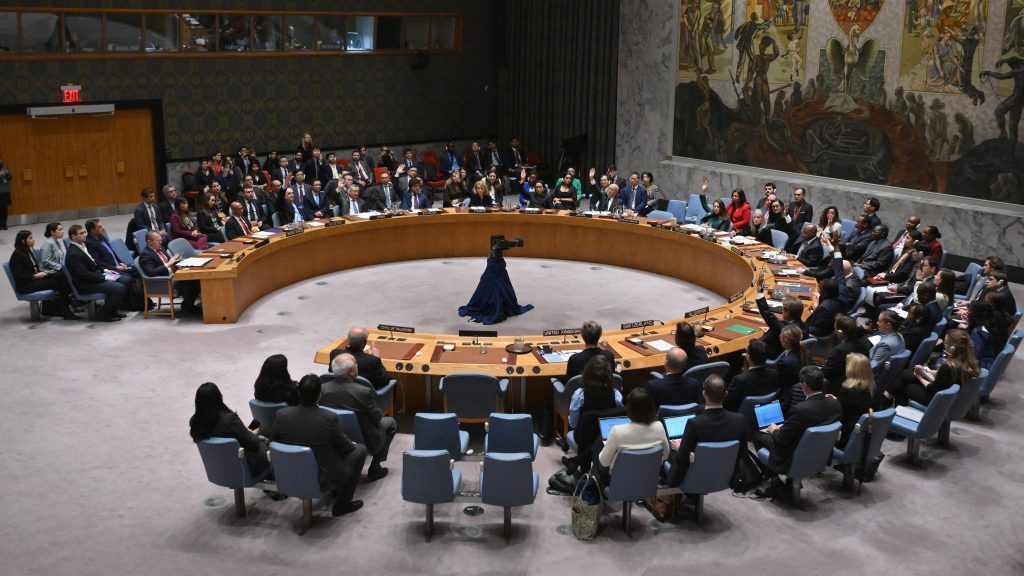
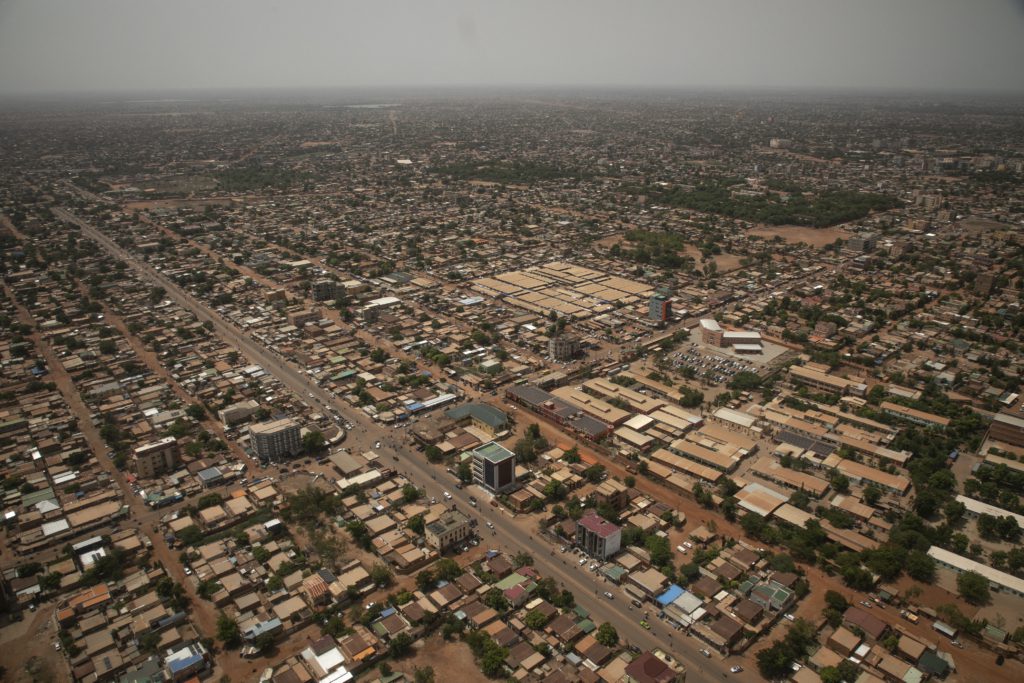
The capital of Togo, Lomé, hosted a critical two-day strategic meeting on June 7-8, 2026, focusing on the escalating crisis in eastern Democratic Republic of the Congo (DRC). Regional mediation leaders convened to assess progress and realign strategies. Among the attendees: representatives from the Southern African Development Community (SADC), East African Community (EAC), International Conference on the Great Lakes Region (ICGLR), alongside envoys from the African Union (AU) and United Nations (UN). The core agenda: evaluating the synergy of diplomatic efforts and measuring the gap between negotiations and sustainable peace.
Lomé emerges as a key hub for fragmented mediation efforts
The selection of Lomé as the venue was deliberate. Togolese President Faure Gnassingbé, designated as the AU’s facilitator for the Congo dossier, has spent months attempting to consolidate divergent mediation tracks. The Nairobi process, spearheaded by the EAC, and the Luanda initiative, historically led by Angola’s João Lourenço under AU auspices, have advanced in parallel without converging. A gradual merging of these tracks, initiated in 2024, has yet to yield tangible peace dividends on the ground.
Diplomats openly acknowledged that coordination remains the Achilles’ heel of the peace endeavor. Multiple delegates emphasized streamlining dialogue channels to prevent conflicting parties from exploiting one mediation track against another. This fragmentation has inadvertently emboldened armed factions, particularly the March 23 Movement (M23), whose military advances in North Kivu and South Kivu have reshaped the region’s security landscape.
Tensions mount in Kinshasa-Kigali-M23 triangle
The diplomatic breakthroughs highlighted in Lomé fell short of expectations. Direct negotiations between Kinshasa and M23, long resisted by Congolese authorities, finally materialized under mounting pressure from regional mediators and international partners. Meanwhile, the bilateral dimension between the DRC and Rwanda—accused by the UN and Western capitals of backing the rebel group—remains the thorniest obstacle to resolution.
Mediators reiterated that implementation of prior commitments, including the withdrawal of foreign forces from Congolese soil and the disarmament of armed groups, has stalled alarmingly. The deployment of the SADC mission in the DRC (SAMIDRC), which suffered heavy casualties in early 2025, underscored the limitations of regional military solutions in a conflict fueled by economic, land, and identity grievances far beyond security concerns.
War economy deepens crisis complexity
Beyond political dimensions, participants stressed the urgent need to dismantle illicit mining networks in Kivu. Coltan, tin, gold, and tungsten feed a war economy with tentacles reaching global supply chains. Several mediators advocated for a regional traceability mechanism, deemed essential for lasting de-escalation.
The Lomé meeting produced no headline-grabbing announcements but reaffirmed the principle of an integrated approach. Future steps must include Congolese civil society actors—long sidelined in state-centric processes. Civil society leaders from North and South Kivu, along with customary authorities, are now recognized as pivotal to embedding any potential accord in local realities.
Yet, mediators departed Lomé without a firm timeline for a comprehensive agreement. The coming weeks will reveal whether the diplomatic momentum sparked in Togo can steer a conflict that has defied peace architectures across the Great Lakes for over three decades.