The landscape for journalism in Niger has grown increasingly hostile, with press freedom decline Niger reaching critical levels under recent political shifts. The disappearance of prominent journalist Moussa Kaka has intensified concerns about the state of media freedom in the country, particularly following the 2023 coup that reshaped national leadership.
journalist disappearance highlights growing media restrictions
Moussa Kaka, a well-known figure in Nigerien media, has been missing since August 31, 2026, after departing from the Radio-télévision Saraounia (RTS) studios in Niamey. His sudden absence occurred just days after violent unrest erupted in the capital, prompting international organizations to demand urgent clarification from Nigerien authorities about his fate.
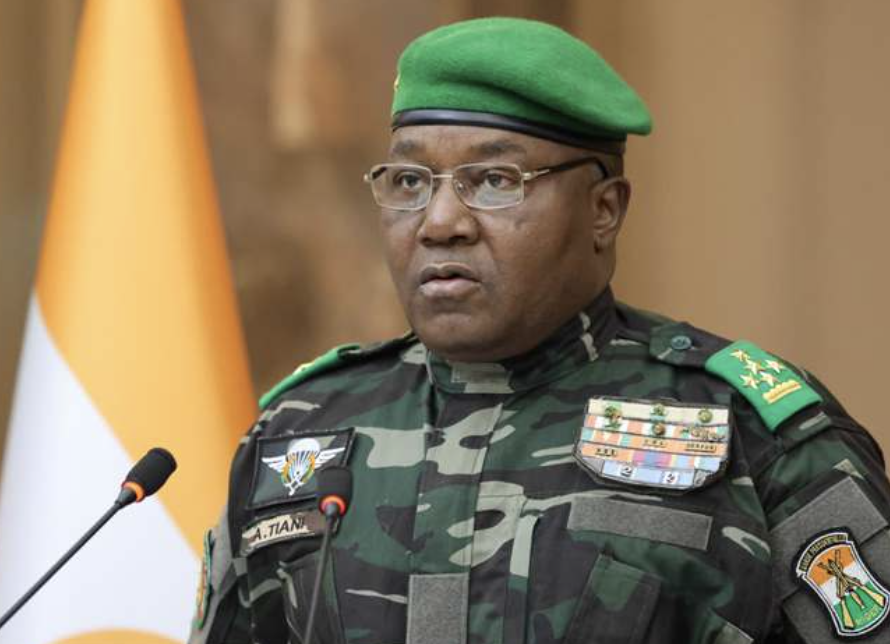
The situation reflects a broader pattern of press freedom decline Niger has experienced since General Abdourahamane Tiani assumed power. According to Reporters Without Borders (RSF), Niger’s ranking in the global press freedom index has plummeted by 37 places, landing at 120th position. This deterioration coincides with the suspension of nine French media outlets by the National Observatory of Communication, further tightening the noose around journalistic activity.
legal and economic pressures on journalists
Arrests of media professionals underscore the mounting challenges faced by Nigerien journalists. Ibro Chaibou, a senior editor at RTS, was detained last October under cybercrime legislation before eventually being released. Similarly, journalist Samira Sabou endured eight days of secret detention in 2023, accused of disseminating information deemed likely to disrupt public order by authorities.
Economic hardships have compounded these difficulties, as media organizations struggle to survive under tightened regulatory frameworks. On September 10, 2026, the Council of Ministers introduced two draft laws aimed at regulating online journalism and foreign correspondents. Analysts warn these measures signal a broader erosion of civic space in Niger, where independent reporting is becoming increasingly perilous.
international response and calls for accountability
Human rights organizations and press freedom advocates have condemned the deteriorating conditions for journalists in Niger. The enforced disappearance of Moussa Kaka has drawn particular condemnation, with calls for authorities to disclose his whereabouts and ensure his safety. These developments have placed additional scrutiny on the government’s commitment to democratic values and fundamental freedoms.
As Niger navigates its political transition, the future of press freedom remains uncertain. The convergence of legal restrictions, economic strain, and political instability paints a concerning picture for journalists attempting to hold power to account in one of West Africa’s most fragile democracies.